.svg&w=384&q=75 "logo")
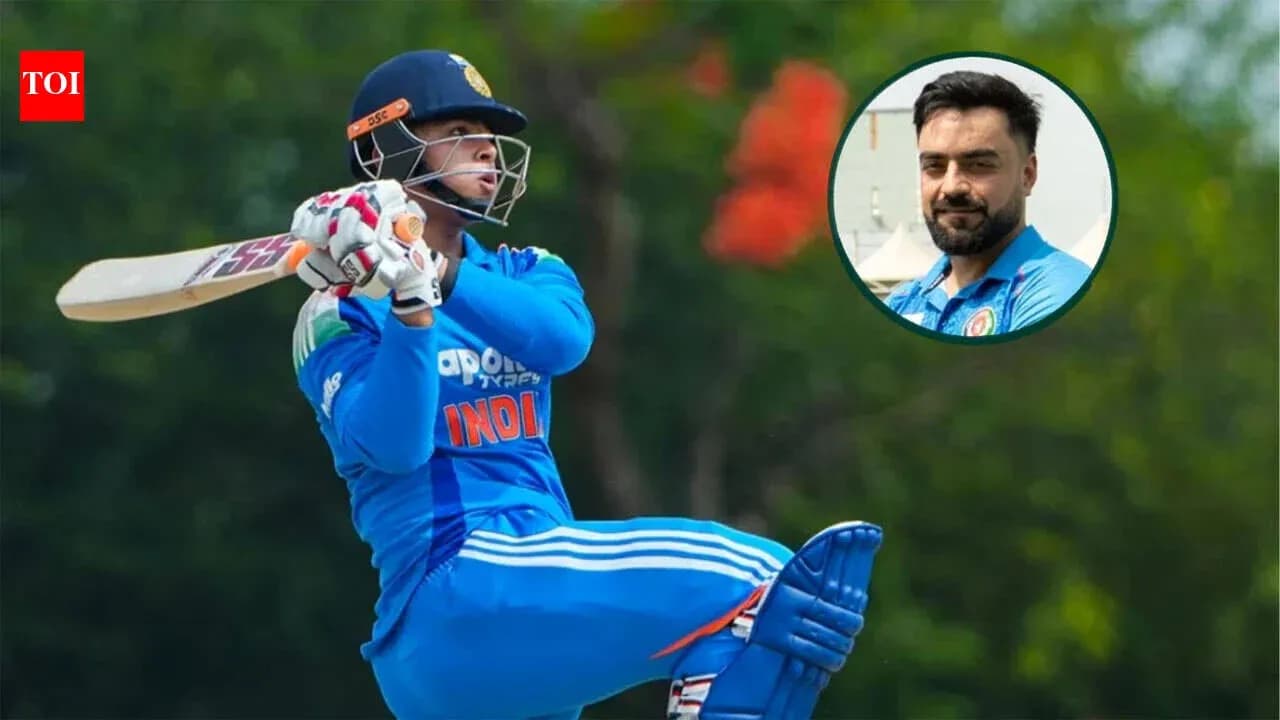
Vaibhav Sooryavanshi: The 15-Year-Old Shaping Duleep Trophy Final
At 15, most cricketers are still trying to find their place in age-group dressing rooms. Vaibhav Sooryavanshi is already running parts of a Duleep Trophy final.
At the MA Chidambaram Stadium, with the game drifting and South Zone slowly finding their feet, the East Zone vice-captain cut through the lull with the kind of clarity you usually see from men with a decade of first-class cricket behind them.
East Zone had done the heavy lifting with the bat. A towering 708, built around captain Ishan Kishan’s commanding 270, had put South under a mountain. The reply, though, was beginning to look stubborn. The surface had eased, the sting had gone out of the ball, and South’s batters were starting to trust their strokes.
Then the teenager stepped in.
A call, a spike, a breakthrough
Mukesh Kumar angled one down the leg side to Ricky Bhui. A flick, a noise, a chorus of appeals. The umpire stayed stone-faced.
Most fielding sides let those moments go. Glances, shrugs, a bit of muttering, and on to the next ball. Not this time.
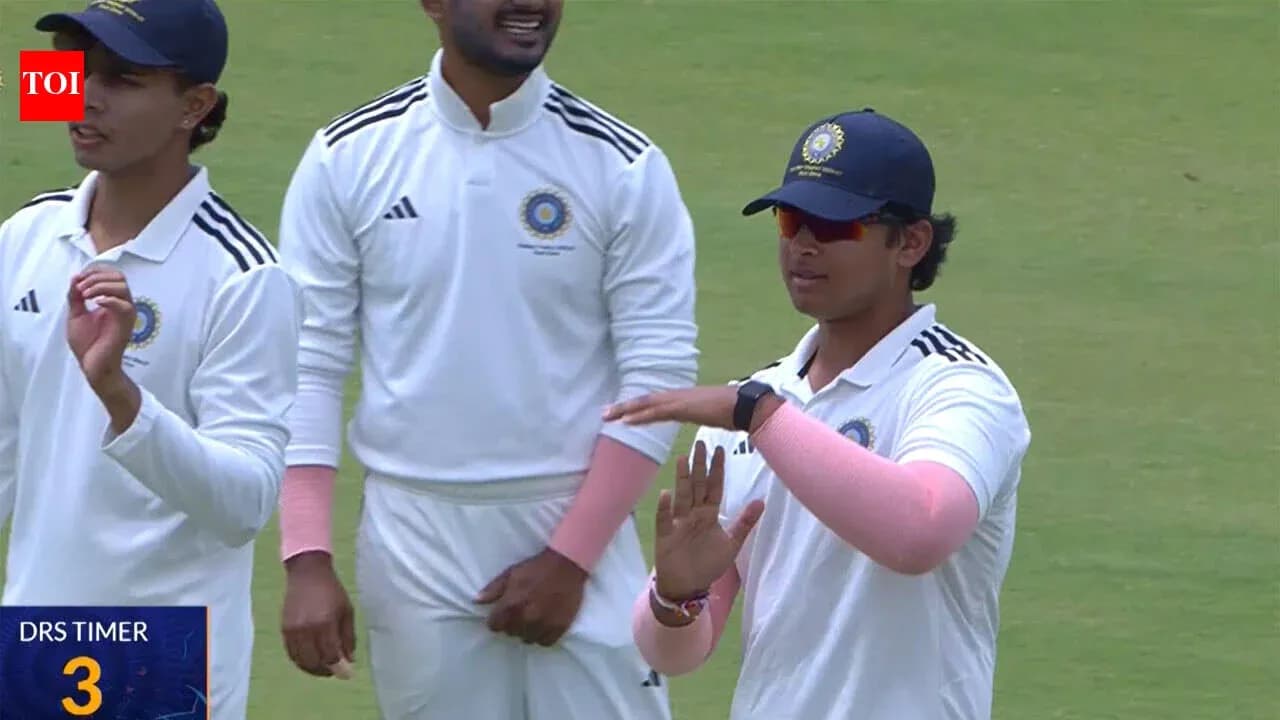
Stationed close in, Sooryavanshi was certain. He turned to Kishan, urged the review, and did not waver. The captain backed his young deputy. Out came DRS.
UltraEdge told the story. A clear spike as the ball brushed the bat, with wicketkeeper Kumar Kushagra completing the catch. Bhui had to go. A seemingly innocuous appeal had turned into a pivotal strike because a 15-year-old trusted his instinct under pressure.
The clip went up on BCCI’s social media channels, the audio catching the decisive moment: “Take it... take it.” It was more than just a neat piece of content. It was evidence that this wasn’t a passenger in senior cricket, but a teenager shaping the contest.
Reading the moment, calling in Shami
The afternoon session rolled on. South Zone fought, the scoreboard ticked, and the clock edged towards tea. At 174 for 4, they weren’t safe, but they were still in the game.
Kishan briefly left the field, and suddenly the vice-captain’s role wasn’t ceremonial anymore. For a few minutes, the 15-year-old had the reins.
He looked towards the boundary and called back Mohammed Shami.
On paper, it was a bold move. Shami had already put in a heavy shift, seven overs in an earlier spell that had pushed his body hard enough for him to walk off. He had bowled only twice after lunch and had needed physio treatment for his neck. Many stand-in captains would have turned to a part-timer to simply get to tea.
Sooryavanshi went the other way. He sensed one more burst from his most seasoned fast bowler could crack the innings open before the break.
The decision paid off almost immediately.
Shami went after Smaran Ravichandran, last season’s leading run-scorer in the Ranji Trophy and South Zone’s key man. He tempted him outside off, just enough width, just enough angle. Ravichandran chased, edged, and Kushagra took it behind.
Again, the umpire said not out. Again, East Zone had a choice to make. This time Kushagra was the one urging the review. Once more, UltraEdge showed a clear nick. Ravichandran gone for 176 for 5, and another critical wicket had arrived via a call in which Sooryavanshi played a central role.
In the space of one session, the teenager had influenced two of the most important dismissals in the final – one with his own insistence, the other by trusting the keeper and backing the technology at just the right time.
A pattern, not a one-off
This wasn’t an isolated flash of game sense.
In the semifinal against Central Zone in Bengaluru, Sooryavanshi had already shown a taste for high-stakes decisions. Aryan Juyal, on 46, pushed hard at Mukesh Kumar outside off. The field went up, the umpire said no, and doubt rippled through the cordon.
The seconds drained away. Review or move on?
At the last moment, Sooryavanshi signalled for DRS. Once again, the technology sided with him. UltraEdge picked up the edge, and Juyal’s resistance ended. Another crucial wicket, another teenager’s call.
Three big reviews in one campaign. All correct. All at important junctures. For a boy still in his mid-teens, that is not luck. It is a growing trademark.
Beyond the bat: a full-cricket brain
Much of the noise around Sooryavanshi has centred on his batting, and with good reason. His runs have propelled him into conversations about India’s next wave of young talent.
But this Duleep Trophy run is revealing something else: a player who wants to be involved in every layer of the contest.
During the tournament, he even joked in a BCCI Domestic video about his bowling, calling himself a “wicket-taker” and recalling how Kishan initially saw tossing him the ball as a risk. “Opponent team's wickets weren't falling, so I was asked to bowl two or three overs. Ishan Bhaiya felt like he was taking a risk, but he didn't know that I am a wicket-taker,” he said.
It was delivered with a smile, but it hinted at mindset. He doesn’t see himself as just a promising bat in a long line of Indian prodigies. He sees himself as someone who can change games – with the bat, with the ball, with a field change, or with a finger raised towards the captain for a review.
On a Chennai afternoon in a Duleep Trophy final, that mindset was there for everyone to see. While senior pros went about their work, a 15-year-old kept stepping into the frame, making calls that shifted the match.
If this is how he reads the game now, what happens when experience finally catches up with his talent?