.svg&w=384&q=75 "logo")
Tennis Players Transition to Private Negotiations for Grand Slam Influence
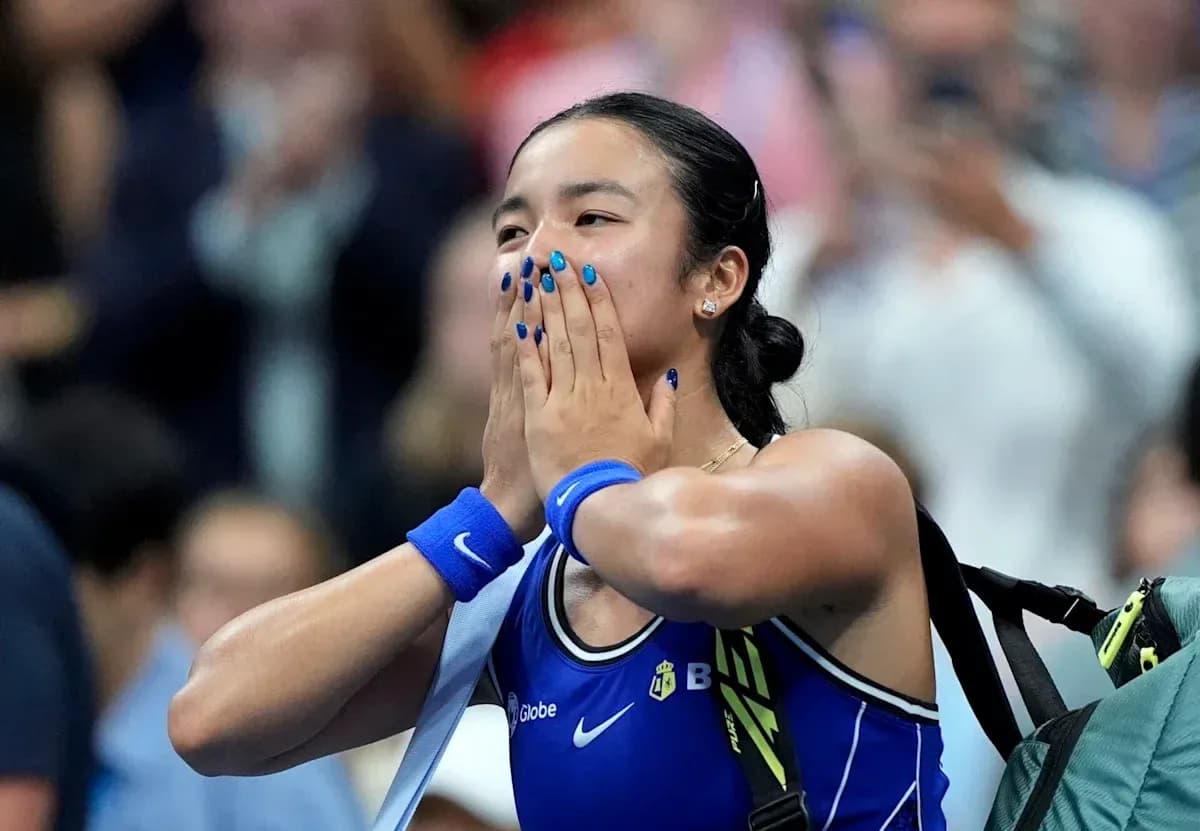
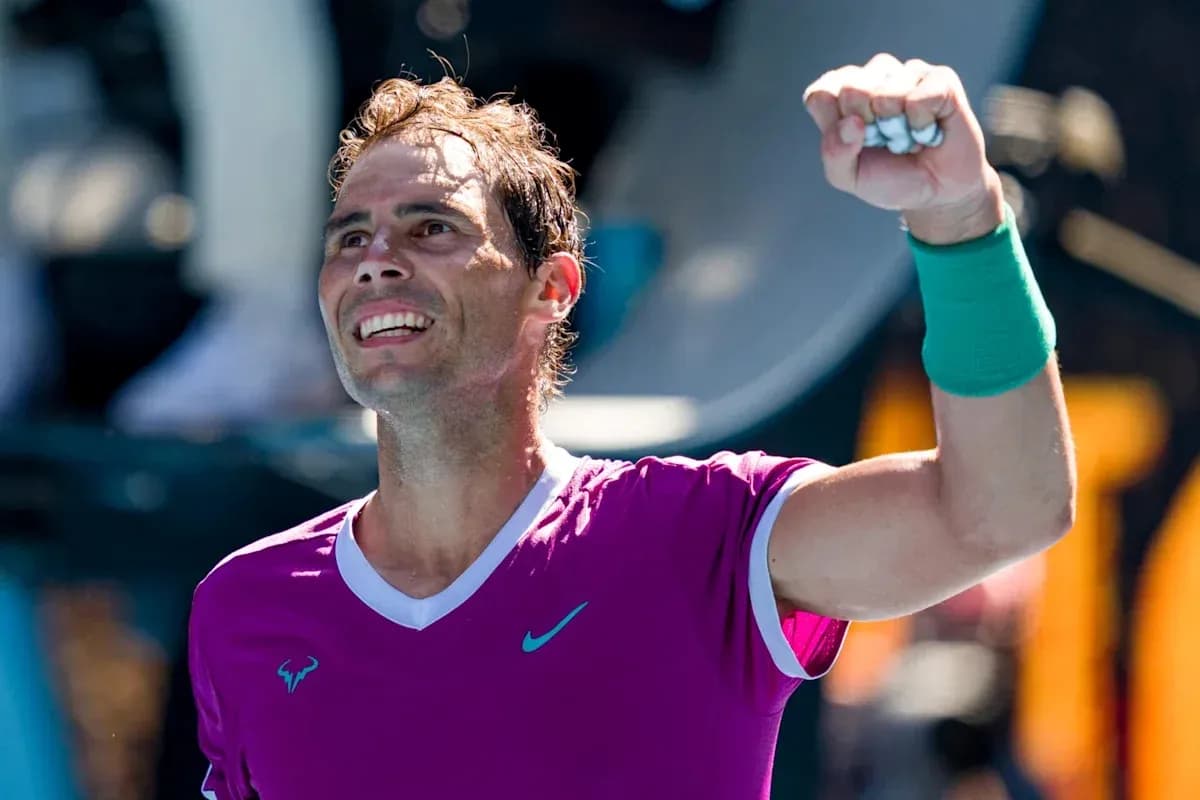
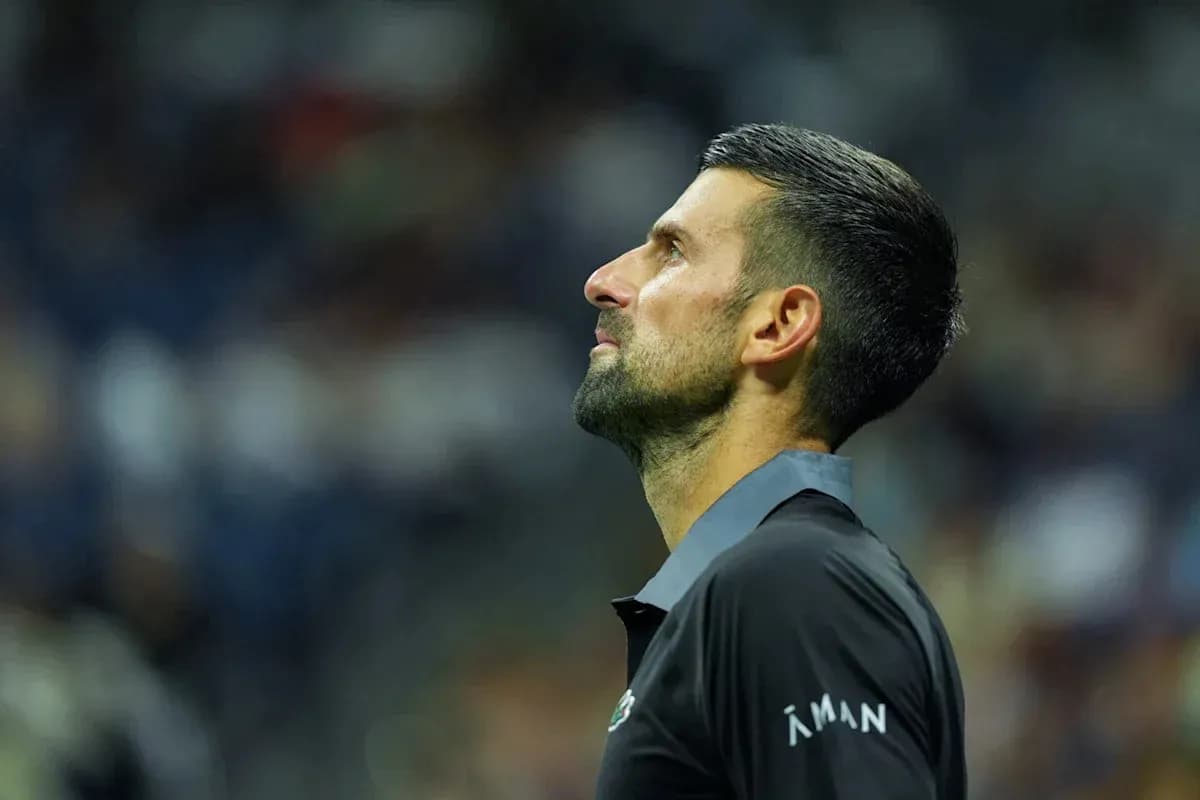
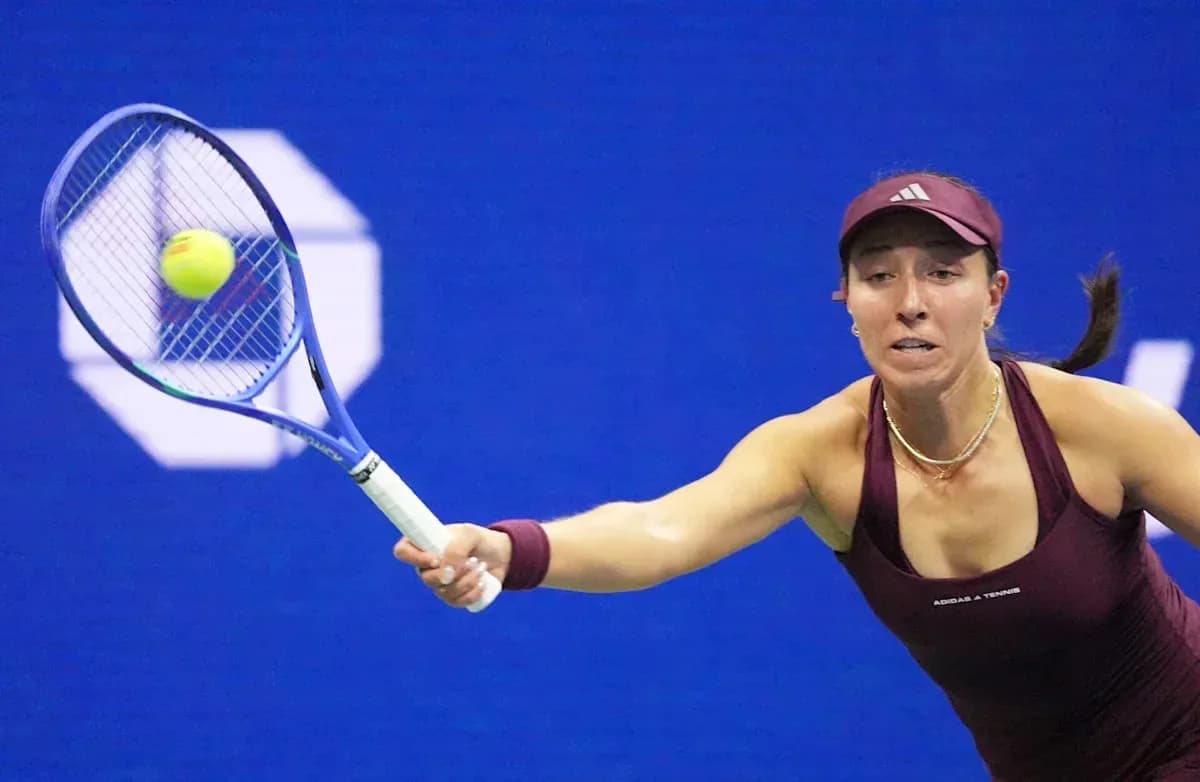
The most vocal group of leading tennis players has decided to put down the megaphone and pick up a seat at the table.
After nearly a year of public pressure on the four Grand Slam tournaments for greater influence and a bigger share of the sport’s richest revenues, the players will wind down their open campaign and move the fight into boardrooms through a new Player Advisory Council, Asharq Al-Awsat reports.
From public revolt to permanent structure
The shift marks a clear change in strategy.
In a statement, the players said they will work directly with the Australian Open, French Open, Wimbledon, and US Open to establish the council, which is designed as a permanent channel for negotiation and consultation. Instead of sporadic stand-offs, the athletes want a standing structure that forces the majors to listen – and respond.
Their campaign began in March 2025 with a blunt set of demands:
- a bigger role in decision-making at Grand Slam level,
- increased funding for player welfare,
- and a larger share of tournament revenues, including a proposal to allocate 22% of those revenues to prize money.
The message grew louder this season. Players scaled back pre-tournament media duties at Roland Garros and Wimbledon, a pointed move that hit the tournaments where it hurts: image and narrative control. Under that pressure, all four majors raised their prize funds.
The public battle did its job. Now the players want a mechanism that keeps the leverage in play year-round.
Money on the table, targets still in sight
The numbers have moved. Just not far enough for the group to declare victory.
This year’s prize money reached $79.92 million at the Australian Open, $71.56 million at the French Open, $86.79 million at Wimbledon, and a record $108 million at the US Open. According to the group’s estimates, more than $30 million of recent increases at the majors sit above historical growth trends.
That matters. It shows the campaign bit into the bottom line and forced a response.
Still, the central goal remains out of reach: securing 22% of Grand Slam revenues as prize money by 2030. The players stressed that while they acknowledge the “substantial” rise in payouts since the campaign began, the benchmark they set has not yet been met.
One move did catch their eye. The French Open has proposed linking payments to tournament profits, a step the athletes welcomed as a sign that at least one Slam is willing to tie player earnings directly to financial performance.
Player welfare steps into the spotlight
The fight is not just about cheques on finals weekend.
The US Open has become the first major to formally ring-fence money for player welfare, committing $2 million. It is a modest figure in the context of a $108 million prize fund, but symbolically it breaks new ground: welfare is now a line item, not an afterthought.
The players want that number to grow and want the other three Slams to follow the same path, building a framework that supports athletes beyond pure prize money – from health and safety to long-term support.
Campaign paused, not buried
The new Player Advisory Council is meant to carry all of these issues into a more formal arena. Direct consultation. Ongoing negotiation. Less public brinkmanship, more structured bargaining.
But the group has made one point very clear: this is a pause, not a surrender.
They have left the door open to reigniting their public campaign if the council turns into a talking shop that delivers little and delays much. If the majors use the new body as cover rather than catalyst, the players are prepared to go back on the offensive.
For now, the banners come down and the meetings begin. The next move belongs to the Grand Slams.