.svg&w=384&q=75 "logo")
Rafael Nadal Returns to Manacor for Academy Exhibition
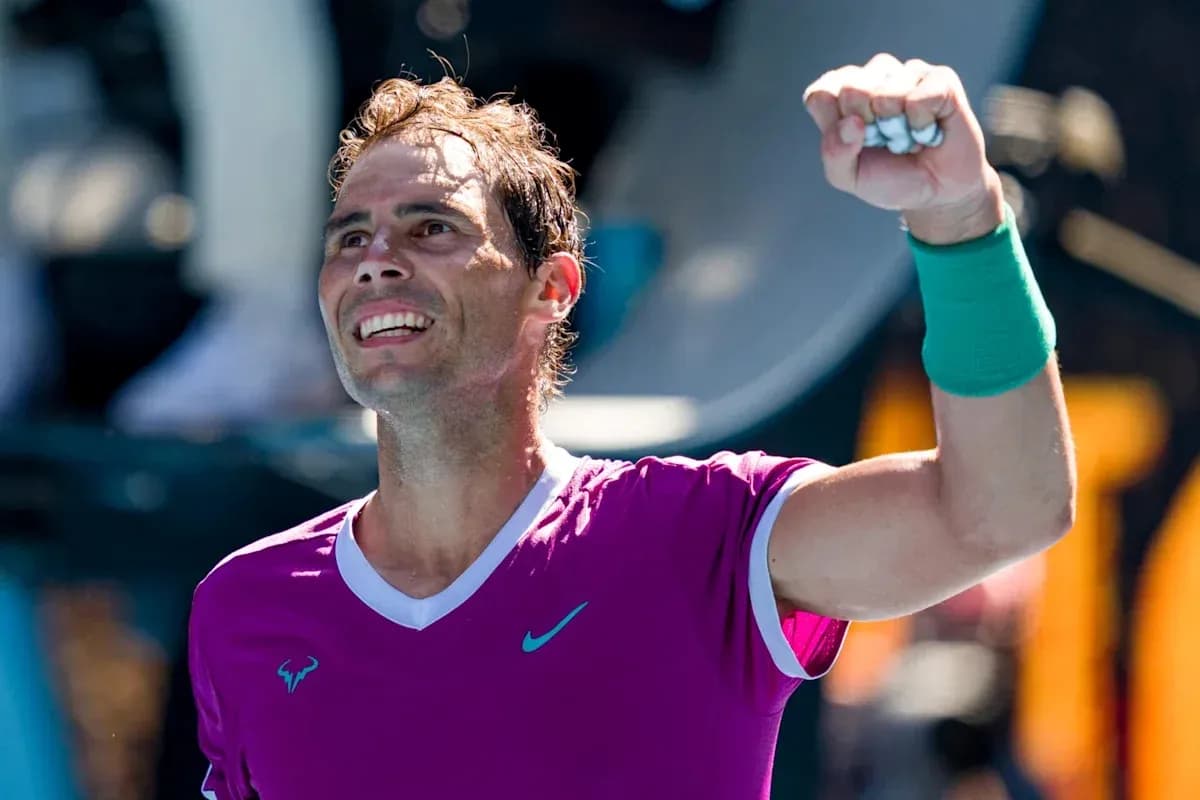
Rafael Nadal is heading back to centre stage – not in New York, Paris or London, but at home, in Manacor.
Less than a year after calling time on one of the greatest careers the sport has ever seen, the 40-year-old will step onto a tennis court again next month for an exhibition event celebrating the 10th anniversary of the Rafa Nadal Academy.
No rankings, no points, no trophies. Just Nadal, a racket, and a crowd that never really said goodbye.
Nadal returns where it all began
Nadal retired after the 2024 Davis Cup Finals, bowing out in Spanish colours on home soil, a fitting final act for a player who built an entire career on national pride and relentless competitiveness.
Now he will play in front of a live audience for the first time since that farewell, returning to the courts of his own academy in Manacor, Mallorca, on October 3. The full lineup for the exhibition is still to be confirmed, but he will be joined by a group of friends and former rivals – familiar faces for a familiar setting.
It is not Roland Garros or Wimbledon, yet symbolically it carries its own weight. The academy opened in 2016 as a long-term legacy project. A decade on, its founder is back on court to mark how far it has come.
A global academy, a towering legacy
What began in Manacor has quietly grown into a global network. The Rafa Nadal Academy now has centres in Costa Mujeres, Greece, Kuwait, Hong Kong, Marbella, Egypt and Punta Cana, exporting the philosophy that underpinned Nadal’s career: work, resilience, and a refusal to yield.
The project has already produced serious talent. Among its graduates are ATP star Casper Ruud and WTA standout Alexandra Eala, both currently ranked inside the world’s top 20. Their rise underlines what the academy has become – not just a museum to Nadal’s greatness, but a production line for the next generation.
It fits neatly with the numbers that defined his own journey. Ninety-two ATP titles. Twenty-two Grand Slam crowns. A career built in the harshest possible era.
The Big Three era finally loosens its grip
Nadal’s exhibition comes at a time when the sport is, at last, adjusting to life beyond the Big Three’s iron rule.
For more than two decades, Rafael Nadal, Roger Federer and Novak Djokovic bent the rankings to their will. Week after week, year after year, at least one of them stood inside the ATP top 10. That run began in October 2002 and survived every injury, every comeback, every challenge from the chasing pack.
Now it is over.
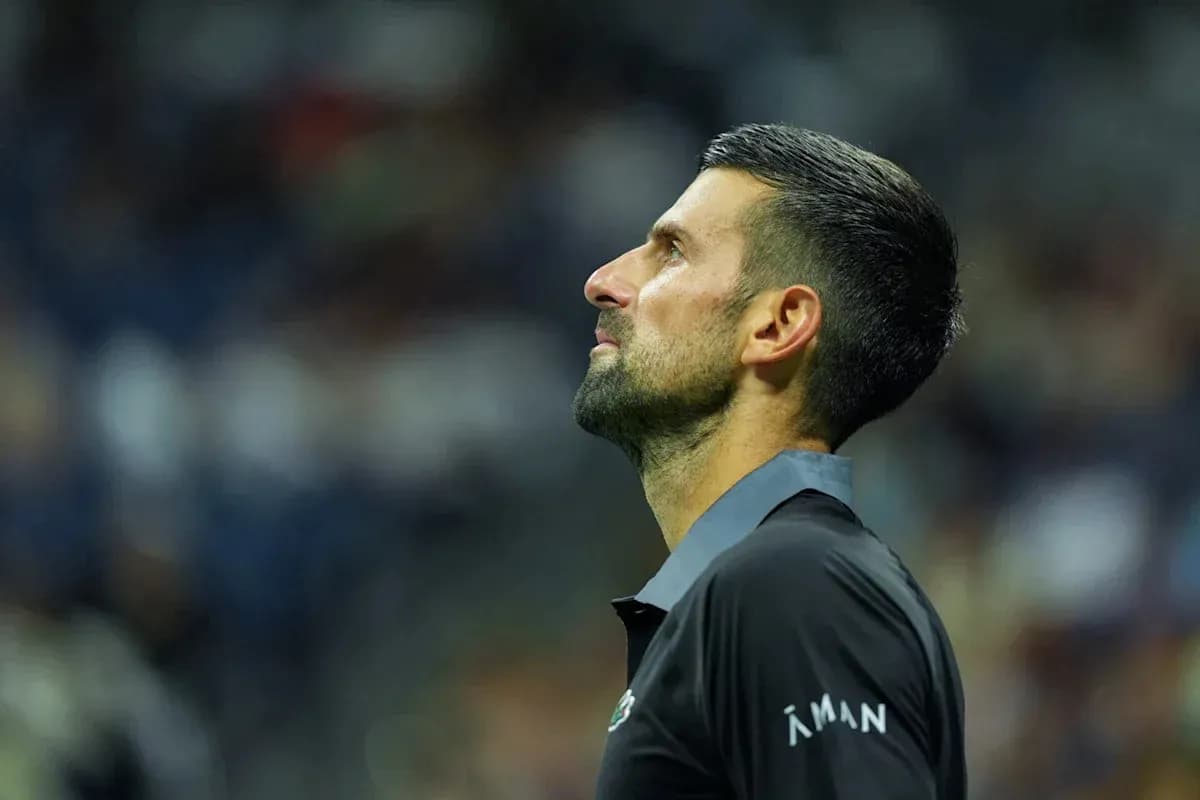
With Nadal and Federer retired, the responsibility to keep the streak alive fell squarely on Djokovic. He carried it for as long as he could, but his early exit at the US Open triggered a dramatic seven-place drop to No. 12. For the first time in 1,227 ATP rankings releases, none of the trio sits in the top 10.
Twenty-four years of dominance, gone with a single update.
The record will sit there in the history books, almost untouchable. Three men, spanning generations, holding off the world for nearly a quarter of a century. It is a standard that today’s contenders might chase, but are unlikely to match.
A different kind of stage
So Nadal’s return in Manacor arrives with a different tone. This is not a comeback tour or a tilt at more silverware. It is a celebration – of an academy that now stretches across continents, of protégés like Ruud and Eala who are carrying the torch, and of an era that has finally loosened its grip on the sport’s present while still defining its past.
The rankings have moved on. The next wave is already here. But on October 3, in the town where it all started, Rafael Nadal will walk back onto a court, hear the applause, and remind tennis exactly why that 24-year record may never be touched again.