Rafael Nadal’s Paris Masters Journey: The Title That Eluded Him
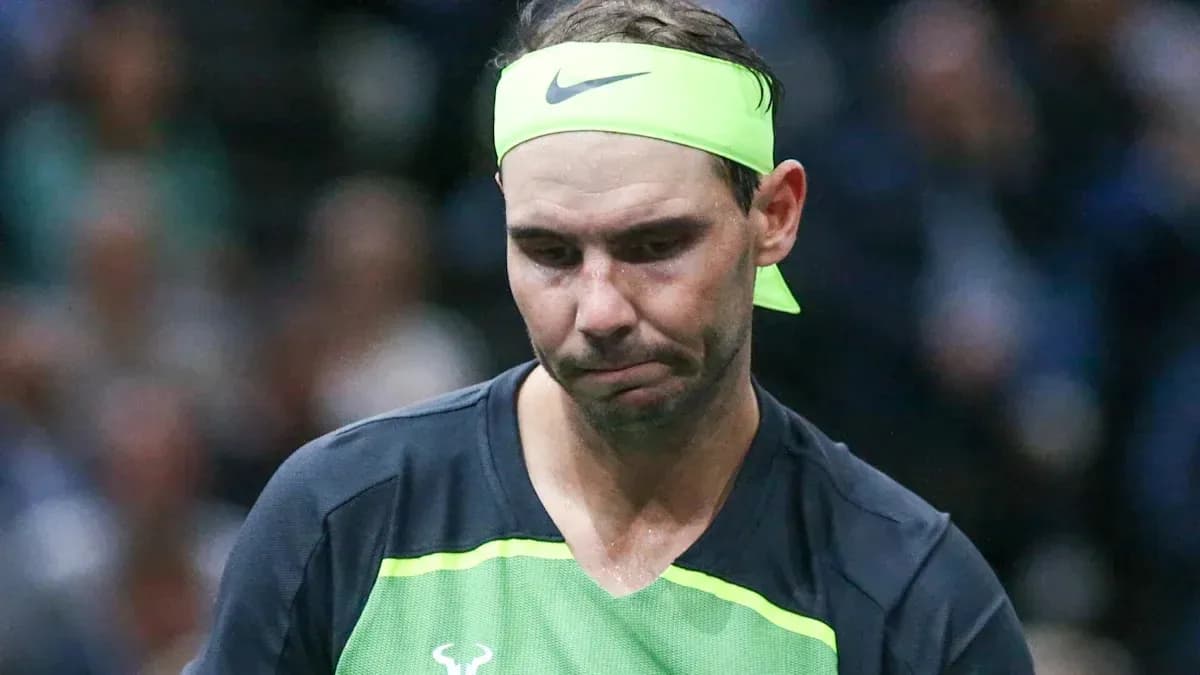
Paris crowned Rafael Nadal more than any other city in tennis history. Fourteen times he walked off Court Philippe-Chatrier as the king of Roland Garros, clay dust on his shirt, silver trophy in his hands, legacy reinforced.
Across town, under a roof and on a slick hard court, the story never quite matched the legend.
The Paris Masters is where Nadal’s résumé has a rare blank space. One of the greatest players the sport has known — 22 Grand Slam titles, 36 Masters 1000 trophies, Olympic gold in both singles and doubles — retired in 2024 without ever lifting the trophy at the indoor event in Bercy.
It was not for lack of trying. Or for lack of quality. It was something else entirely.
A Start That Promised More
Nadal’s relationship with the Paris Masters began with a tease.
On his debut, he sliced through the draw, dropping just one set on his way to the final. The teenager with the sleeveless shirt and the heavy lefty forehand looked set to add another chapter to his fast-growing collection of big titles.
Waiting for him was David Nalbandian, unseeded, dangerous, and inspired.
What followed was not a coronation. It was a rout.
Nalbandian dismantled Nadal 6-4, 6-0, stripping the final of suspense and leaving the young Spaniard stunned. Even the champion sounded slightly taken aback by the ease of it.
“All week I was playing great, and I don't know why the result was so easy,” Nalbandian admitted. “After I broke him, I felt that I was playing better than him. I played more relaxed, started hitting winners almost from everywhere. That gave me confidence.”
That night would stand as Nadal’s first and only final at the Paris Masters. The stage that had looked ready to welcome him as a future multiple champion never did so again.
Injuries, Interruptions, and Near Misses
The pattern that followed in Paris was painfully familiar: deep runs, physical strain, and exits that often felt like unfinished business.
A year after that first final, Nadal pushed back into the latter stages, only to see his campaign end abruptly. He reached the quarter-finals, lost the opening set to Nikolay Davydenko, and then stopped. A right knee injury forced him to retire from the match and from the tournament.
He came back in 2009 and went one step further. Semi-finals this time, but Novak Djokovic shut the door with a comfortable win. Nadal, so often the one dictating terms on the biggest stages, found himself chasing on a surface and in conditions that never quite bent to his will.
Then came a long pause. Nadal stayed away from Bercy for four years. When he finally returned, he again played himself into the semi-finals, only to be denied by a familiar face: David Ferrer, his compatriot and relentless foil on tour.
The story repeated in different forms. In 2015, Stan Wawrinka stopped him in the quarter-finals, another power hitter using the quick court to his advantage. In two of Nadal’s subsequent appearances, he did not even get the chance to see how far he could go. Injury intervened again, cutting off campaigns that had barely begun.
Yet the results, on paper, still looked strong. In his first eight appearances at the Paris Masters, Nadal never failed to reach at least the quarter-finals. For most players, that would be a career highlight. For Nadal, it only underlined how strange it was that the trophy never came his way.
One Last Push, Then the Door Closed
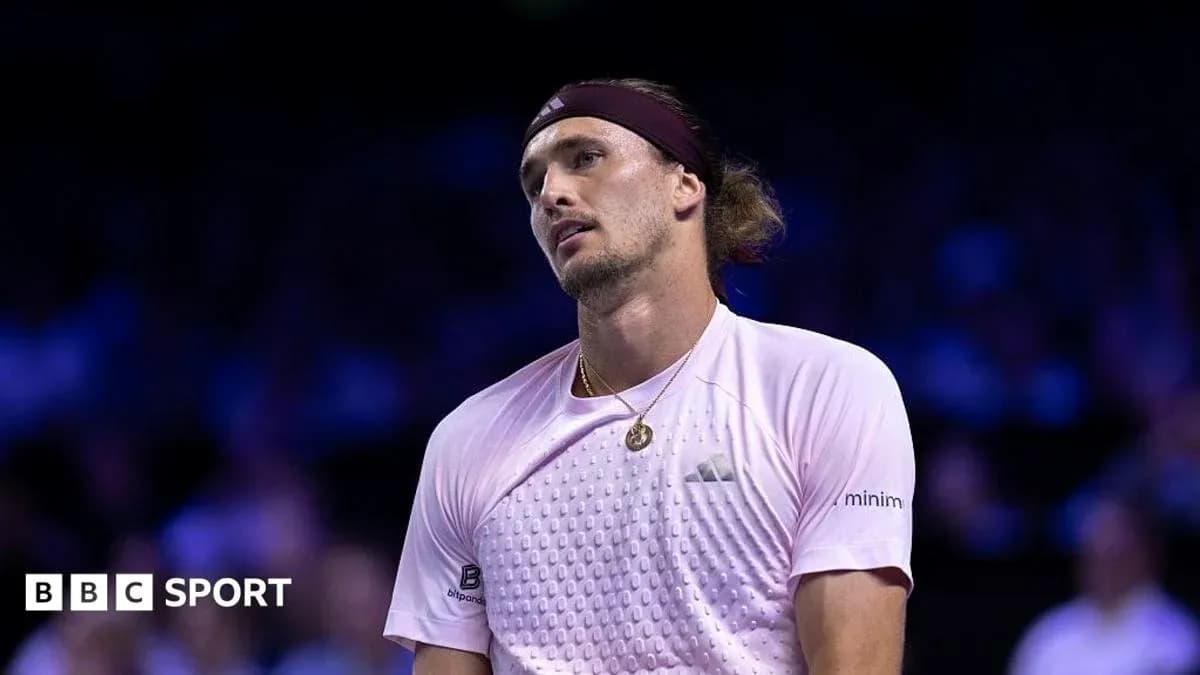
In 2020, the title felt within reach again. Nadal battled into the semi-finals, the finish line in sight. But Alexander Zverev stood between him and another shot at the Bercy crown and sent him out of the tournament. Another deep run. Another near miss.
By then, the Paris Masters had become one of the sport’s curiosities. How could a player who owned Paris in June not conquer Paris in November?
His final appearance offered no late twist.
In his ninth and last visit to the event, the man who had made a habit of marching into the latter stages fell at the first hurdle. Tommy Paul beat him in his opening match, snapping that long streak of quarter-finals or better and closing the book on Nadal’s Paris Masters career with a whimper rather than a roar.
Nadal never returned to Bercy after that defeat. When he stepped away from tennis in 2024, the Paris Masters remained one of the very few major tournaments missing from his collection.
For a player defined by his domination of a single city, it is a quirk that will always stand out. On one side of the Seine, he became immortal. On the other, the trophy case stayed empty.