Barcelona Aims to Respond Against Alavés After Clásico Loss
Barcelona look to shake off the sting of their Clásico defeat when Alavés arrive at the Nou Camp on Saturday, with Hansi Flick expected to keep faith with his core but sharpen the edges of his XI.
The 2-1 loss to Real Madrid still hangs in the air, not as a scar but as a challenge. At home, in La Liga, Barcelona cannot afford to drift. They need control, incision and, above all, a response.
Flick sticks to his blueprint
Flick is set to persist with his 4-3-3, a shape that gives his young side structure but still lets the talent breathe. Only one change is expected: Alejandro Balde returning to the starting lineup with Xavi Espart ruled out by an ankle injury.
At the back, Joan Garcia keeps his place in goal despite conceding twice in the Clásico. He will stand behind a central pairing of Pau Cubarsi and Gerard Martin, two defenders still writing the first chapters of their Barcelona careers but already trusted to hold the line and build from the back.
On the flanks, Joao Cancelo and Balde offer far more than simple defensive cover. Cancelo on the right will look to drift inside, overload midfield and help dictate the tempo. Balde, back in from the start on the left, brings raw acceleration and width, the kind that can pin Alavés deep and stretch their shape to breaking point.
Espart’s absence strips Flick of one option, but it also clears the runway for Balde to reassert himself.
Young midfield, big responsibility
The heart of this Barcelona side is as technical as you would expect, but also notably young. Fermin, Rodri and Pedri are set to form the midfield three, tasked with doing what Barcelona midfields have always been judged on: control the game, suffocate the opposition, and feed the forwards.
Pedri will be the natural reference point between the lines, knitting play and looking for those disguised passes into the channels. Rodri offers balance, shuttling between boxes, while Fermin’s energy and timing from deeper areas can give Barcelona an extra runner when Alavés are forced onto the back foot.
On the bench, Frenkie de Jong and Marc Bernal wait as heavyweight options. De Jong’s ability to change the rhythm and carry the ball through pressure makes him a likely candidate to influence the second half if the game drifts or opens up.
Pace and width in attack
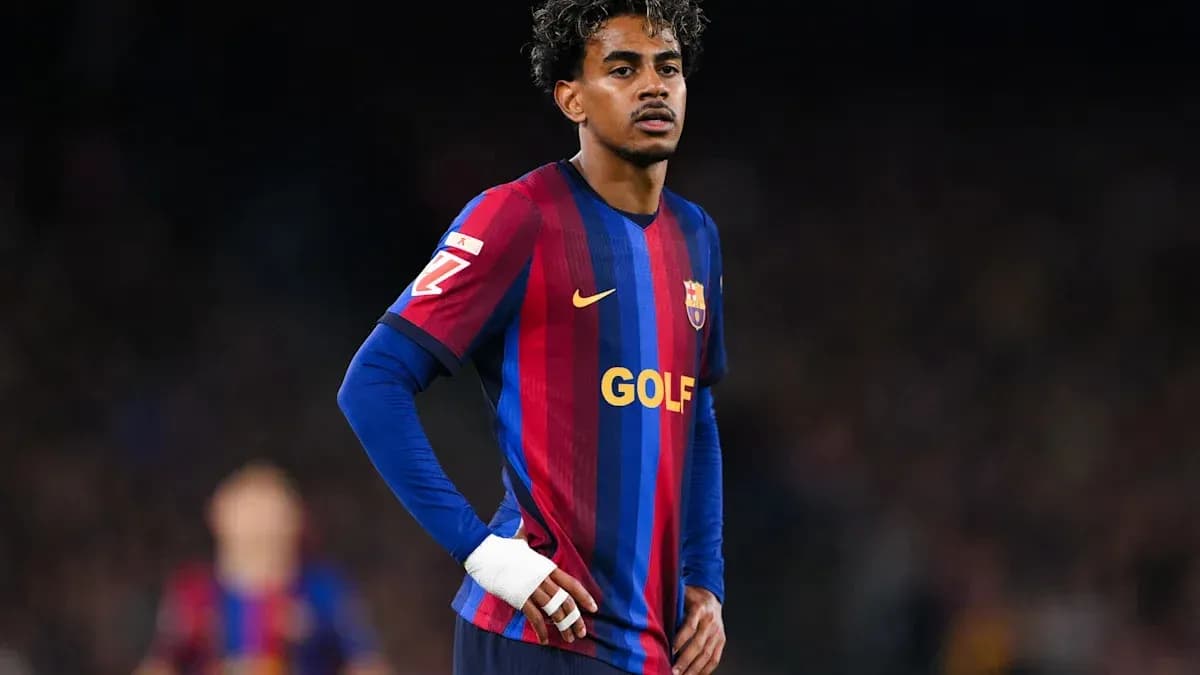
Up front, Flick leans heavily on speed and directness. Anthony Gordon is expected to start off the left, a constant threat when he squares up his full-back and drives inside. On the opposite side, Lamine Yamal brings that blend of fearlessness and flair that has already made him a focal point. Every touch from the teenager feels like an invitation to chaos for defenders.
Both wide players will be encouraged to run in behind and attack space early, testing the Alavés backline and forcing mistakes. Their movement will be crucial in creating gaps for the central striker.
Through the middle, Raphinha is set to lead the line. Usually seen operating from the wing, the Brazilian will instead carry the responsibility of finishing moves and occupying centre-backs. His pressing, aggression and left foot give Barcelona a different profile at No. 9, and he will be desperate to turn that into goals in front of a home crowd demanding a reaction.
Waiting in reserve are Karim Adeyemi and Gabriel Jesus, two forwards with enough quality to tilt the match late on. If Barcelona need fresh legs, more chaos, or simply a different kind of movement in the final third, Flick has options that most La Liga coaches would envy.
Alavés arrive at the Nou Camp knowing the scale of the task. Barcelona arrive knowing there is no margin for hesitation. After the Clásico setback, this isn’t just about three points; it is about setting the tone for what comes next in their season.