.svg&w=384&q=75 "logo")
Stephen Fleming's Vision as England's Test Coach: Aiming to Beat Australia
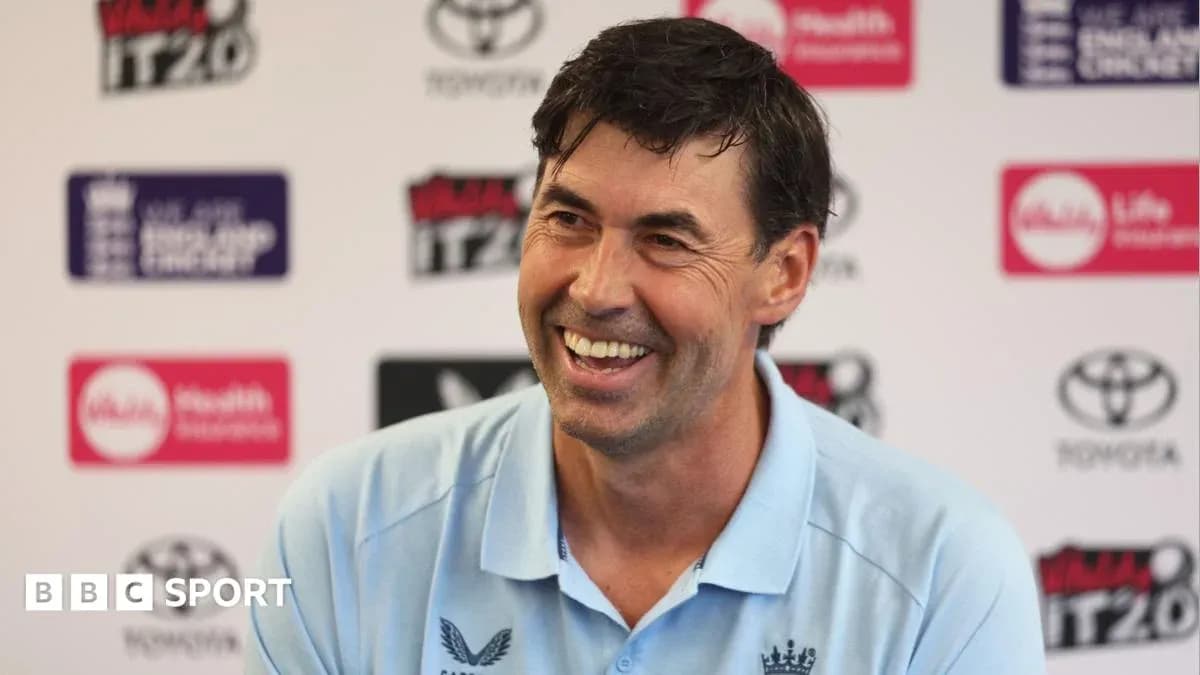
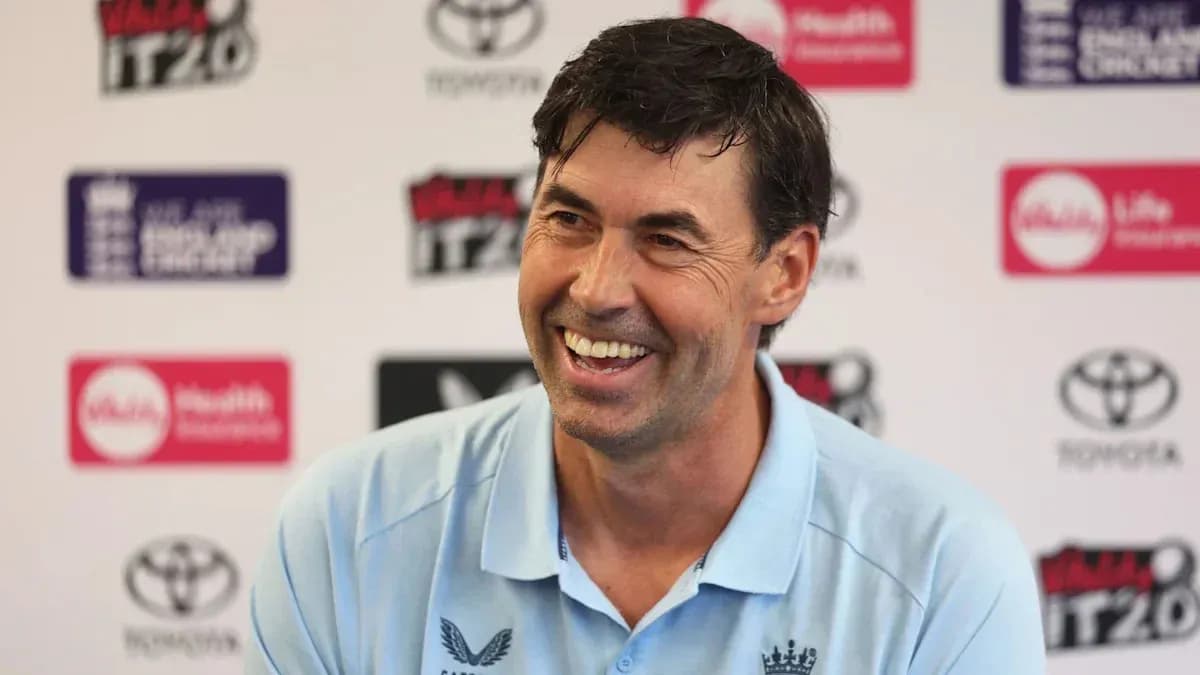
Stephen Fleming walked into his first media briefing as England’s Test coach with a simple message and a familiar target.
“I want to beat the Aussies.”
No hedging, no soft landing. The Ashes are his obsession too.
A New Zealander, Same Old Rival
Fleming has only just taken the job, appointed in July and due to take charge for the first time on December’s tour of South Africa. Yet already his gaze is fixed firmly on next summer, when Australia arrive in the UK and England chase a first Ashes series win since 2015 and redemption for last winter’s 4-1 drubbing down under.
Asked if English cricket is too consumed by the Ashes, he pushed back instantly.
“No, because I have an obsession with it as well. New Zealand has an obsession with it, we love it,” he told BBC Sport. “We want to beat the Aussies. We're heavily linked to England performances. We have a deep desire to beat Australia in everything, as the little cousin.”
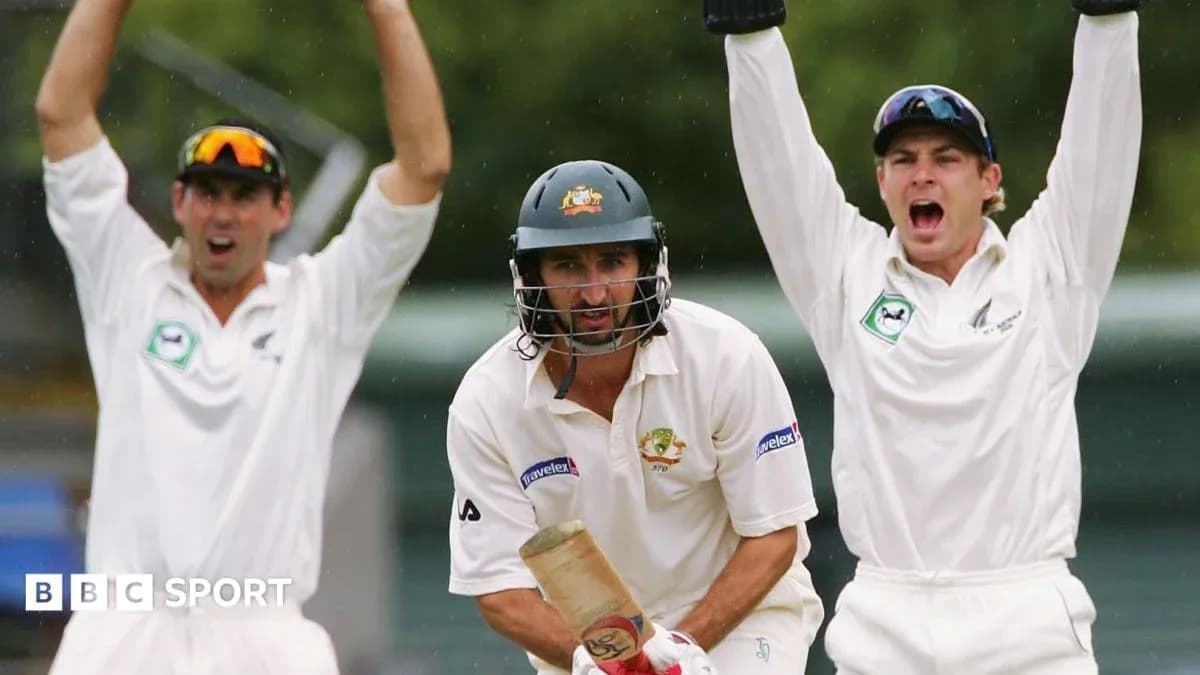
That “little cousin” line was delivered with a smile, but the undercurrent was steel. Fleming, the former New Zealand captain, played 14 Tests against Australia and never won. The scar tissue is real. So is the motivation.
“You don't think you're ever going to get that opportunity,” he said. “To have that opportunity and be part of it, I can't wait.”
From McCullum to “Big Brother”
Fleming replaces his long-time friend and business partner Brendon McCullum, sacked as Test coach earlier this summer but retained as England’s white-ball boss. McCullum’s final 10 Tests brought only two wins, including the heavy defeat in Australia that effectively ended his tenure.
The contrast between the two men is already being drawn inside the dressing room. One phrase is doing the rounds: “big brother”.
Fleming himself offered the neatest comparison. “I'll bet on the favourite and he'll bet on the longest odds possible.”
McCullum’s England often played as if chasing those long odds – thrilling when it worked, chaotic when it didn’t. Fleming gives off a different energy: calm, measured, authoritative. Less casino, more chessboard.
On whether a Test side needs a fixed “brand” or style, he was clear.
“I don't think so. The greatest thing for a team to do is to be able to play conditions and situations.
“I'd love people to say we are well-planned, there's a discipline and a really strong basic structure to what we're doing, but there's also a bit of flair.”
The percentages, then. But not paralysis.
Discipline, Standards and Brydon Carse
The final months of McCullum’s reign were overshadowed by late-night drinking controversies. The noise did not vanish with the change of coach. On Friday, Derbyshire Police confirmed they had closed an investigation into England fast bowler Brydon Carse following allegations of an assault last month. Carse faces no police action but will now be investigated by the Cricket Regulator. He remains eligible for selection, though he has not featured in any squad since the Derby incident.
Fleming did not mention Carse by name, yet his message on behaviour was pointed.
“There are standards,” he said. “We pick on runs and wickets primarily, but I think it's foolish not to also say there are standards that need to be set.
“You need to behave in accordance with your position. We're in a very privileged position, and it's understanding that privilege and what goes along with it. It can't be convenient. You can't be when it suits you to do the right things, then when you don't want it to suit you, not.
“You've got to live it every day. If we can create something when you want to live it every day and better, then that's really powerful.”
For players on the fringes, especially those under scrutiny, that sounded like a warning.
No Call to Stokes
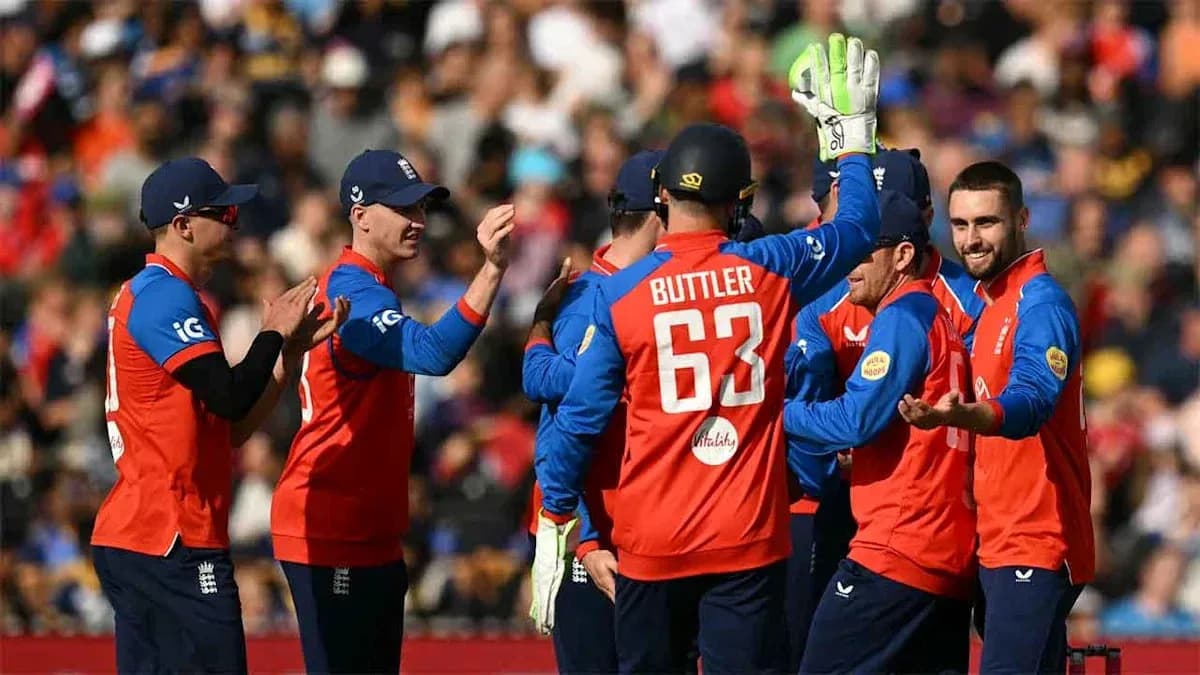
Fleming has wasted no time embedding himself in the English game. He was at Old Trafford on Saturday to watch England beat Sri Lanka in the third T20, and earlier in the week he toured several counties, including a visit to Durham where he met Ben Stokes during their draw with Worcestershire.
Stokes, who abruptly retired from international cricket in July, knows Fleming well from their time together at Chennai Super Kings in the IPL. If anyone could have tried to coax him back, it would be the new Test coach.
He will not.
“He was in a great space, really happy, enjoying his time with Durham,” Fleming said. “He's got a good winter planned with the family and is very much at peace with his decision. When a player makes that decision to retire, I respect that decision 100%.
“To try to turn that around and question that is wrong. I know how much goes into that type of decision, and I respect that.”
No tug on the heartstrings. No romantic last-minute U-turn. Just a line drawn and an acceptance that England must move forward without the all-rounder who defined their previous era.
Vision, Humour and “Flemball”
Almost two months on from his appointment, this was the first real glimpse of what a Stephen Fleming England might look like. He spoke of a “vision” that is “aspirational” and of wanting a side that “represents itself in the best possible way”.
The delivery was steady, but there were flashes of personality. He joked he has a “stress fracture of the left ear” after fielding so many calls from people connected to the England set-up. He laughed about occasionally turning up in fancy dress at Chennai Super Kings to lighten the mood.
And when asked about the idea of “Flemball” – a nod to the “Bazball” era – he dismissed it as a “medical condition”.
If McCullum’s tenure was defined by a swaggering brand and a catchy label, Fleming seems intent on something quieter but more durable: structure, discipline, adaptability. England, he suggested, will respect the World Test Championship in a way they have not always done in the past. They will plan. They will prepare. They will play the odds, not chase miracles.
It may be less wild. It may, at times, be less fun.
But after a year of turbulence on and off the field, England have chosen a grown-up to run the Test side. The real measure of Fleming’s methods will come quickly enough, in South Africa in December, and then in the only arena he admits to obsessing over – an Ashes summer where “little cousin” finally wants its say.