Ronaldinho Returns to Italian Football: A Night of Nostalgia
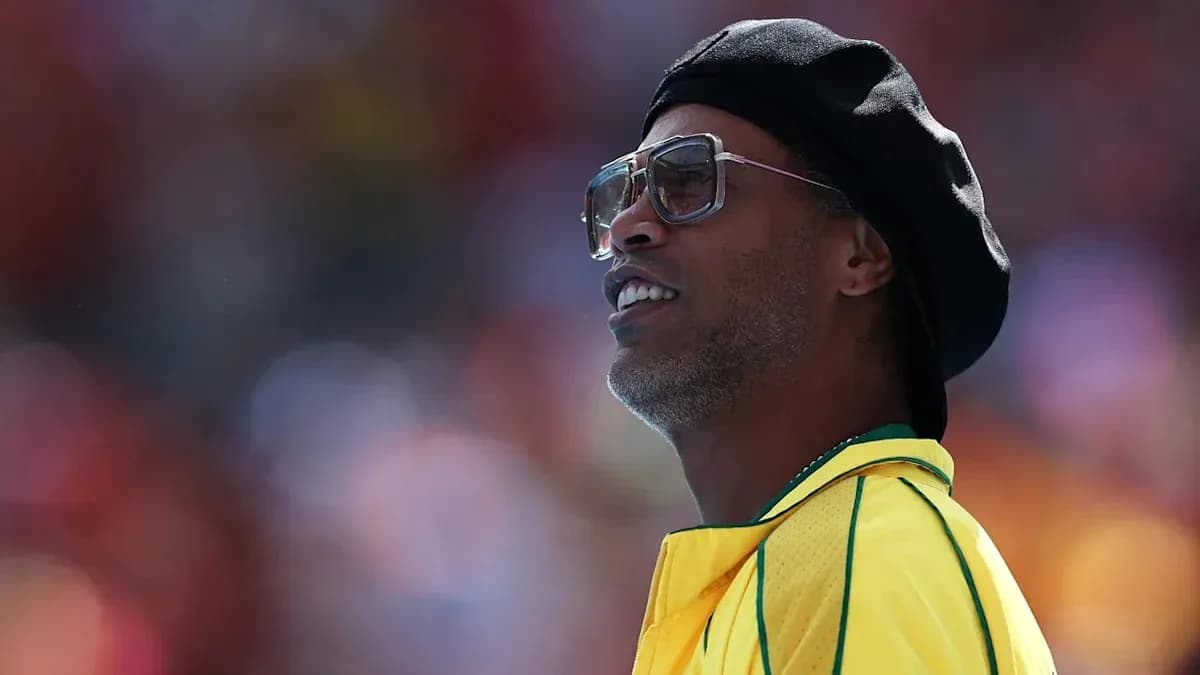
More than a decade after he last laced up his boots as a professional, Ronaldinho is coming back. Not for a testimonial, not for a charity cameo, but for a competitive fixture in Italy’s third tier.
On 15 November, at the Stadio Bruno Benelli, the 46-year-old will make his debut for Ravenna in a Serie C match against Forlì. A line in the fixture list that suddenly feels like a throwback to another era.
From Miami announcement to Marina di Ravenna
Ravenna quietly completed the astonishing deal in June, signing the former Brazil international whose last professional appearance came for Fluminense in 2015. For months, the move sat on the edge of disbelief. A charming idea. A marketing masterstroke. But real?
The club kept feeding the dream. Ronaldinho was unveiled to supporters on the beach at Marina di Ravenna in August, a sun‑drenched presentation more reminiscent of a festival than a third-division launch. Fans gathered on the sand to greet a man whose name once defined the Champions League nights they watched on television.
“From the announcement in Miami … to the warm welcome from fans on the beach in Marina di Ravenna, the anticipation has grown, fueled by a mix of excitement, curiosity, and disbelief,” the club said, capturing the mood of a fanbase caught between wonder and suspicion.
Now the disbelief has an answer: a date, a stadium, an opponent.
A small club with a big vision
Ravenna sit second in their geographically split Serie C group, chasing promotion while living a story that feels borrowed from a different stage. At the heart of it is president Ignazio Cipriani, of the Cipriani restaurant dynasty, whose ambition stretches far beyond survival in the third tier.
His dream is simple and almost cinematic: to see Ronaldinho score the final goal of his career in Ravenna colours.
The club does not hide the scale of its own fantasy. In a statement, it called the upcoming game “an event set to turn the world's gaze toward the Stadio Bruno Benelli,” a bold line for a stadium more used to local derbies than global spotlights.
“The whole soccer world thought it too good to be true,” Ravenna said, “instead we can now officially confirm a grand return: The return of the magic, the smile, and a talent that has captivated generations of fans, regardless of their team loyalties or soccer allegiances.”
This is not just about a signing. It is a production.
A legend steps back into Italian football
For Ronaldinho, it marks a second chapter in Italian football. His first, with AC Milan from 2008 to 2011, brought flashes of the old sorcery to San Siro: the no-look passes, the languid dribbles, the effortless way he bent games to his will.
By then, he had already climbed the sport’s highest peaks. A World Cup winner with Brazil in 2002. A Ballon d’Or recipient in 2005. The creative heartbeat of a Barcelona side that reshaped European football. Spells at Paris Saint-Germain and Barça had turned him into a global icon long before he arrived in Milan.
Ravenna know exactly what they are borrowing from that past. “There are footballers who are remembered for what they have won and others also for how they made people feel,” the club said. “Ronaldinho belongs to that rare breed of champions capable of turning soccer into pure joy — through an unexpected move, a moment of creative brilliance, a smile that has bridged stadiums and generations alike.”
Benelli under the floodlights
Now the focus shifts to a modest ground on Italy’s Adriatic coast. The Stadio Bruno Benelli, usually a venue for hardened Serie C battles, is about to stage a global curiosity.
“The vision of President Cipriani, which ignited the fans' imaginations and sparked debate well beyond Italy's borders, now has a concrete date,” Ravenna declared. “Ronaldinho will play at the Benelli, opening a new chapter in a story that never ceases to surprise.”
How much he can influence the game at 46 is almost secondary. The spectacle lies in the collision of worlds: a third-division promotion chase intersecting with one of the sport’s great entertainers, a man whose highlight reels are etched into the memory of supporters who may never have seen Ravenna play before.
For a club pushing for the top of its group, the stakes are real. For Cipriani, the script is clear. For everyone else, curiosity wins.
“The wait is almost over,” the club concluded. “The magic is coming back to the field.”
On 15 November, in a corner of Emilia-Romagna, Italian football will find out what that looks like in 2024.