.svg&w=384&q=75 "logo")
Patil’s Warning for India’s Young Batters: Lions at Home, Cats Overseas
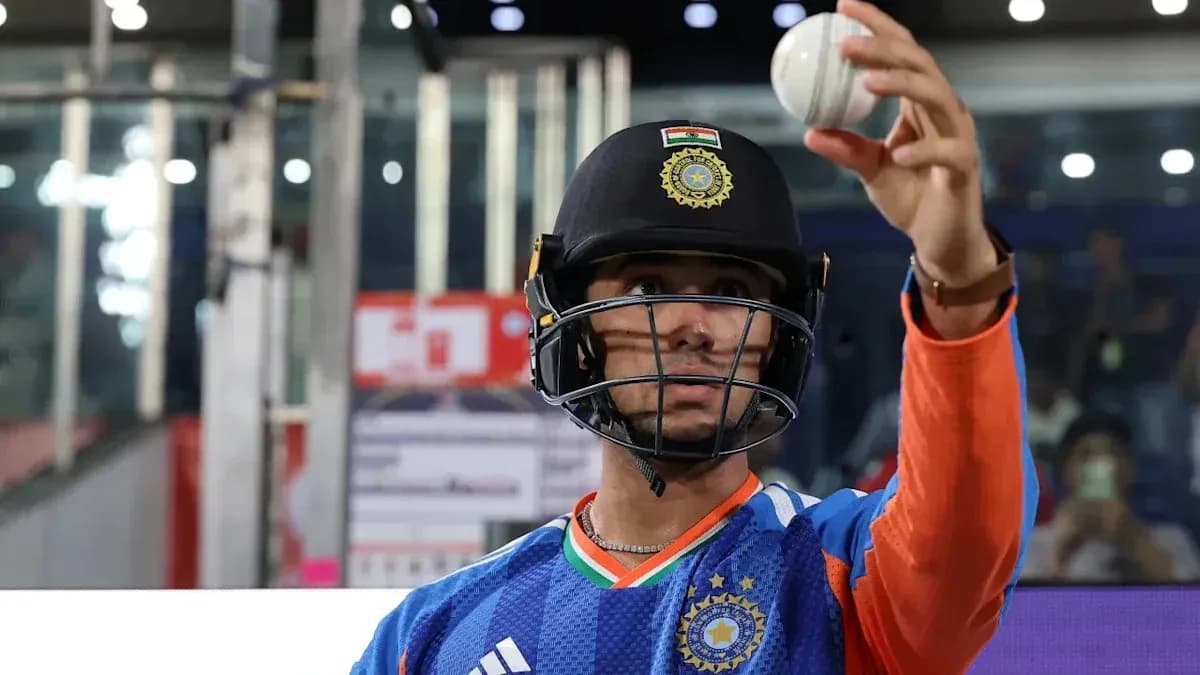
India’s young batting brigade has just walked off a 3-0 sweep over Afghanistan, the dressing room buzzing, the highlights looping endlessly around Abhishek Sharma’s 30-ball hundred in the third T20I in Delhi.
Sandeep Patil chose that exact moment to tighten the lens.
The former India batter and ex-chief selector, a World Cup winner from 1983, looked past the fireworks and went straight to the fault line he believes could decide how far this new wave actually goes: what happens when the ball moves, the air is cold, and “home comfort” is a TV concept, not a dressing-room reality.
Patil’s verdict: talent unquestioned, technique under trial
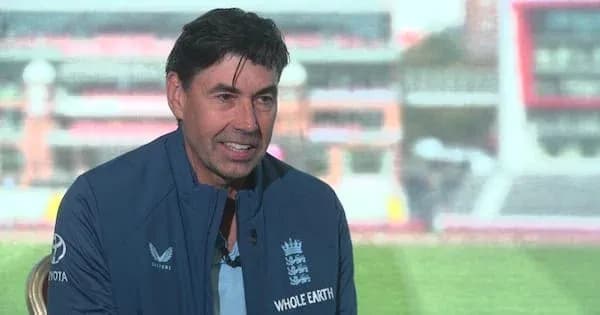
Speaking to SportsNext, Patil did not hide behind platitudes. He named names. Abhishek Sharma and Vaibhav Sooryavanshi, two of the most talked-about young batters in the country, came under his microscope.
“With due respect to Abhishek Sharma and Vaibhav Sooryavanshi, we have noticed that when they travelled outside India and the ball started moving around a little, they faced some difficulties. These two young players will also have to pay attention to that aspect and work on it,” he said.
Then came the line that cut through the noise and straight into the debate.
“Just because you are a lion at home in India, you shouldn’t become a cat when you go overseas.”
It was not a throwaway jibe. It was a summary of a growing concern.
The numbers behind the warning
Abhishek’s hundred against Afghanistan felt like a coming-of-age moment. Thirty balls, clean hitting, Player of the Series, and the swagger of a batter who backs his game from ball one. But Patil’s point is that this was never in doubt.
The real story lies just before this purple patch.
Across the tours of Ireland, England, and Zimbabwe, Abhishek’s returns told a far harsher tale: 191 runs in 10 innings, an average of 19.1, and only one fifty. These were not raging green tops, but they were conditions that asked harder questions than a flat deck in Delhi. The ball nipped, it swung, it demanded more than just power.
Abhishek did not have the answers often enough.
Patil is not reading too much into one century, nor is he dismissing it. He is simply refusing to let it overwrite the evidence of the previous months.
He stressed that both Abhishek and Sooryavanshi possess a natural attacking game, the instinct to take on bowlers from the very first delivery. That, in his eyes, has never been the issue. The concern is whether that same fearlessness can be adapted, not abandoned, when the ball seams and swings in unfamiliar conditions.
Delhi against Afghanistan did not provide that examination.
Sooryavanshi’s silent lesson on the bench
If Abhishek’s story is about a loud response after a lean run, Vaibhav Sooryavanshi’s recent chapter has been quieter, but just as telling.
He did not face a ball in the Afghanistan series. From the dugout, he watched Sanju Samson and Abhishek lock down the top-order slots, his own struggles against the moving ball earlier in the year still fresh in the minds of the team management.
Head coach Gautam Gambhir has already gone on record, asking Sooryavanshi to stay patient while the think-tank figures out his exact role. That is the public reassurance. The private reality is starker: his rapid rise through the ranks has not yet been matched by a convincing method against quality seam and swing.
Franchise cricket, with its truer pitches and shorter bursts, rarely exposes this weakness as brutally as international cricket can. When it did, the gaps showed.
For Patil, Sooryavanshi’s case is a warning wrapped inside a success story. India have identified a talent early, fast-tracked him, and now must ensure he is not left to fend for himself when conditions turn hostile.
Timing that stings, message that stands
On the surface, Patil’s comments arrive at a harsh moment. Abhishek is fresh off a career-defining innings. India have just completed a clean sweep. Social media is in celebration mode.
Yet the data backs Patil’s argument almost line by line. Abhishek’s struggles across Ireland, England, and Zimbabwe are not a blip. Ten innings, one fifty, an average under 20: that is a trend, not an off week. It is precisely the kind of pattern a former selector is supposed to notice, and call out, before it hardens into a ceiling.
Sooryavanshi, for his part, represents the other side of the same coin: a player with the shots, the attitude, and the domestic résumé, but not yet the overseas game to match. If India’s calendar leans heavily towards tours where the ball moves, that flaw becomes more than a technical detail. It becomes a selection question.
Patil’s choice of imagery – lion at home, cat overseas – may sound brutal, but it captures the next phase of India’s batting evolution in a single sentence. The IPL era has ensured that no young Indian batter is short of range or power. The real exam now lies in Dublin, Nottingham, Harare, or wherever the clouds hang low and the ball refuses to come on.
Abhishek Sharma has shown what he can do when conditions suit his natural game. Vaibhav Sooryavanshi has shown enough for India to invest in him. The challenge Patil lays down is simple, and unforgiving: can they turn that roar into something that carries beyond home soil, when the ball starts talking back?