.svg&w=384&q=75 "logo")
Pakistan Cricket Faces Major Overhaul Amid England Series Loss
Pakistan cricket is not just losing a Test series in England. It is being ripped up and rewired in real time.
Two crushing defeats — an innings and 103 runs at Headingley, then a 194‑run loss at Lord’s — have handed England a 2-0 lead and left the three-Test series effectively over as a contest. For Pakistan, the real battle has already shifted off the field. The Pakistan Cricket Board has moved with rare ruthlessness, reshaping both the dressing room and the coaching staff before a ball is bowled in the final Test at Edgbaston.
Sarfaraz Ahmed and Umar Gul are out of the coaching setup. Mike Hesson has been brought in to take charge, with former Australia seamer Ashley Noffke installed as his assistant. Seven players have been cut from the squad for the third Test, a cull that includes established names such as Mohammad Rizwan, Imam-ul-Haq and Salman Ali Agha. Experience has been sacrificed for a younger, hungrier group.
This is not tinkering. It is a clear break.
Shoaib Akhtar lifts the curtain
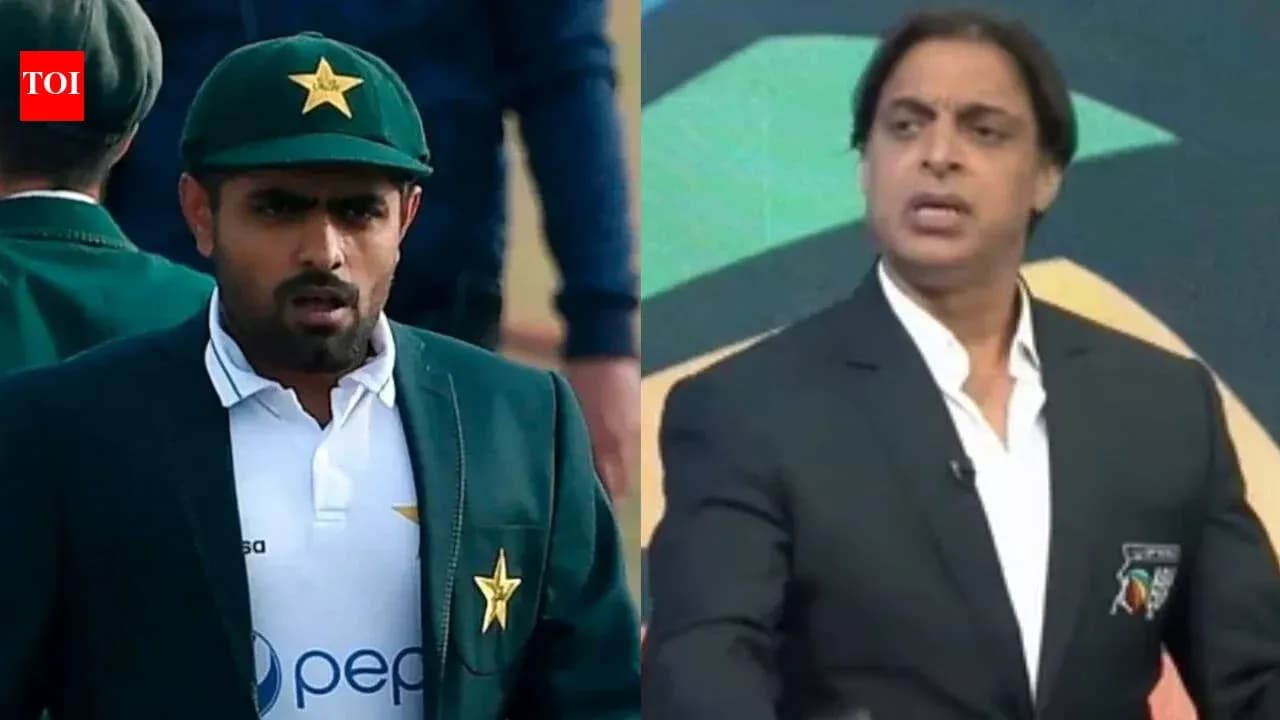
Into this turmoil steps Shoaib Akhtar, never one to sugarcoat a crisis. Speaking on the OutSide EDGE show, the former fast bowler laid bare what he believes is the PCB’s mindset.
“The PCB itself was very disappointed by these people, and they don’t expect anything from this Pakistan squad. The plan is to remove this squad and replace them with younger and newer blood. Players who just want to play for Pakistan. They are looking at the future now, and they are working at it in the right way,” Akhtar said.
In his view, the England tour has become a convenient accelerator. The defeats have not just exposed a team short of form; they have given the board the justification to move on from a core it no longer trusts.
Yet Akhtar’s assessment is not all fire and fury. Buried in the criticism is a warning.
“In this transition, I just want Shaheen Shah Afridi, Naseem Shah and Haris Rauf’s careers to be saved. These guys have a lot of cricket left in them,” he added.
Those three names tell their own story. Pakistan may be ready to clear the decks, but its fast-bowling stocks remain the crown jewels. Lose them in the churn, and the rebuild becomes something far darker: a freefall.
‘Nothing’ expected from this squad
Akhtar’s most striking revelation came from a private exchange with a PCB official. He asked what the board realistically expected from this squad in England. The reply, he says, was brutally honest.
“Nothing. We have expectations from the next generation of players that we are preparing for the big stage,” he quoted the official as saying.
No diplomatic language. No public-facing optimism. Just a cold admission that the current group is not seen as the future.
According to Akhtar, the same official went even further, describing Pakistan cricket as being “on a ventilator” and estimating that it could take around two years to revive the national setup. That image lingers. A proud cricketing nation, gasping for air, hoping that the surgery being performed now does not come too late.
The scoreboard in this series has already told a bleak story. Akhtar’s comments explain why the PCB is treating these results as a symptom of a deeper, long-running illness rather than a bad week at the office.
A visit to Lahore, and a lack of fight
Akhtar also offered a glimpse of the work being done behind the scenes. He visited the National Cricket Academy in Lahore during the second Test and was struck by what he saw.
“After 26 years, there is work being done at the academy now,” he said.
The timing is no coincidence. As the senior team flounders in England, heavy machinery and fresh construction back home suggest a structural reset that goes beyond selection meetings and coaching changes.
Yet for all the talk of infrastructure and long-term planning, Akhtar kept circling back to something more basic: fight.
When asked whether the turmoil had shocked him, he brushed off the idea. “What is the shock there? Didn’t you expect that?” he replied. On the field, his verdict on Pakistan’s performances in the first two Tests was even more blunt.
“We didn’t have the fight in us,” he said.
That line cuts through tactics, pitch conditions, and selection debates. For a player who built his career on raw pace and rawer intent, a Pakistan side that goes down without a scrap is almost unrecognisable.
Edgbaston and beyond
Pakistan now head to Edgbaston with the series gone and pride on the line. The immediate task is simple enough: stop England from sealing a 3-0 whitewash.
Yet the decisions already taken by the PCB make it clear that this tour is being treated as something far bigger than a lost series. Senior players have been sent home. A new coaching ticket is in place. The board’s own insiders talk about ventilators and two-year recovery windows.
Edgbaston will still count in the record books. For many of those wearing the Pakistan shirt, though, the real question is harsher: are they playing for a result in Birmingham, or for their place in whatever Pakistan cricket looks like when this rebuild is finally done?