.svg&w=384&q=75 "logo")
Pakistan Cricket Faces Cyber Crime Investigation: Rizwan and Imam Summoned
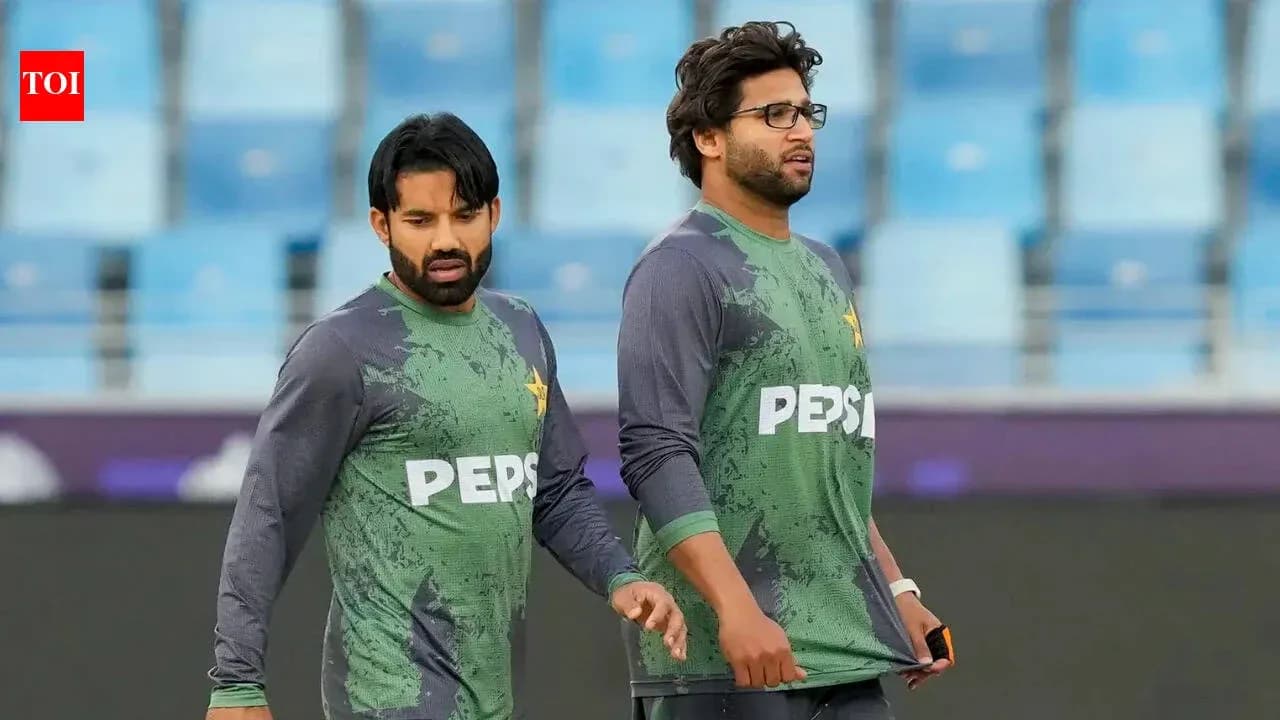
Pakistan cricket’s turbulent summer has taken another dramatic turn, with Mohammad Rizwan and Imam-ul-Haq now drawn into a cyber crime investigation after already being sent home from the Test tour of England.
According to Geo News, the National Cyber Crime Investigation Agency (NCCIA) has summoned the two players for questioning, acting on information obtained from their mobile phones. A third Pakistan cricketer has also reportedly received a notice, deepening the sense of unease around the national set-up.
Phones seized, questions multiply
Sources cited by Geo News say the Pakistan Cricket Board (PCB) first took custody of Rizwan and Imam’s phones before handing them over to the “relevant authorities”. Those devices are now with the NCCIA, which plans to examine data retrieved from them as part of an ongoing inquiry.
That handover has become the central talking point. The PCB has not publicly explained why it seized the phones, nor what specific concerns prompted the move. For now, the purpose of the investigation remains undisclosed, leaving players and fans to watch a story unfold largely in the dark.
What is clear is that the NCCIA has formally issued notices to Rizwan and Imam, calling them in for questioning. The agency will scrutinise whatever information it has pulled from their devices as it pushes ahead with its probe.
Fallout from Lord’s defeat
This latest twist comes on the back of sweeping changes triggered by Pakistan’s heavy 194-run defeat to England at Lord’s, a loss that shook confidence in the Test side and prompted a swift, ruthless response from the board.
Seven players were released from the touring squad and sent back to Pakistan: Rizwan, Imam, Salman Ali Agha, Ali Usman, Aamer Jamal, Awais Zafar and Khurram Shahzad. The clear-out did not stop with the playing group. Head coach Sarfaraz Ahmed and bowling coach Umar Gul were also removed from their roles.
In their place, the PCB turned to its white-ball brains trust. Mike Hesson, already serving as white-ball head coach, and bowling coach Ashley Noffke were drafted in to take charge of the Test team, an unusual crossover that underlined the urgency – and perhaps the desperation – of the situation.
A bruising defeat at Lord’s, a dismantled squad, a reshuffled coaching staff. Now, a cyber crime agency poring over players’ phones. The crisis has moved well beyond the boundary rope.
Selection under the microscope
While the NCCIA conducts its own investigation, the PCB is running a separate inquiry of its own – this one aimed squarely at how Rizwan and Imam found their way into recent Test squads.
Earlier this month, the board served a notice to a member of its Selection/Advisory Committee, demanding a written explanation for the recommendation to include the two players for the Test tours of the West Indies and England.
Dated August 31, the notice asked the committee member to lay out, in detail, the selection criteria used, the performance metrics considered, and any other factors that influenced the decision to back Rizwan and Imam. The PCB labelled the matter “urgent and of utmost importance” and gave just 24 hours for a response.
In other words, the board is not only questioning how the team performed. It is questioning how the team was built in the first place.
A team under investigation, on and off the field
Taken together, the developments paint a stark picture. Two centrally involved players have been sent home, stripped of their phones, and summoned by a national cyber crime agency. A third player has reportedly been pulled into the same process. At the same time, selectors are being asked to justify their calls in writing, under a ticking clock.
Pakistan cricket has known chaos before, but this is a different kind of storm – one that blends on-field failure with off-field scrutiny and drags the inner workings of the dressing room into an investigative spotlight.
The immediate questions sit with the NCCIA and the PCB. The bigger one hangs over the team: how does a side rebuild trust, authority and performance when its most important battles are being fought far away from the pitch?