Oktagon Challenges Dana White’s Stadium Show Belief, Proving MMA’s Real Potential
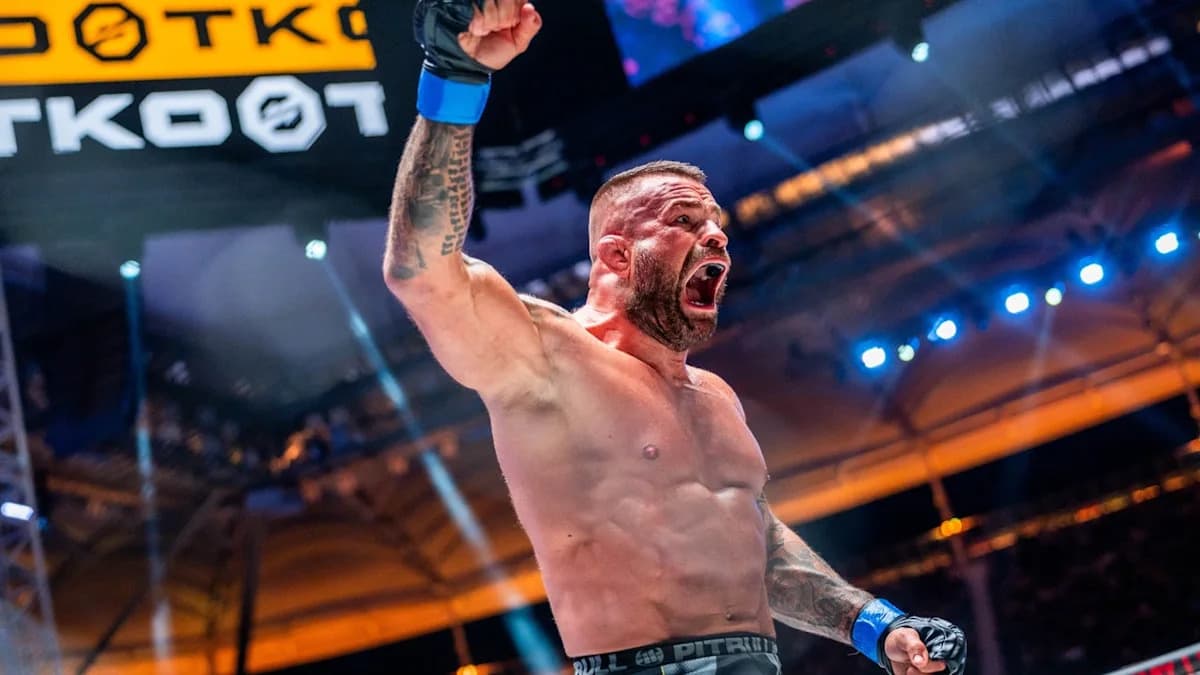
Oktagon Proves Stadium MMA Can Thrive
Dana White has openly dismissed the idea of MMA events in stadiums. Back in April 2025, he stated firmly that UFC would never host a stadium show, preferring arenas for their atmosphere. His reasoning was that fans can't generate enough noise in open-air venues.
But Oktagon, a European MMA promotion primarily active in Germany, Slovakia, and the Czech Republic, challenged this belief twice in recent years. Though much smaller than the global UFC, Oktagon managed to pull off something remarkable at Deutsche Bank Park, the home of Eintracht Frankfurt football club.
Breaking Attendance Records
In October 2024, Oktagon drew nearly 60,000 fans, setting a new attendance record for MMA outside some early-2000s Pride events in Japan. Two years later, they returned for Oktagon 94, aiming either to top their record or enhance the spectacle.
Co-founder Pavol Neruda admitted they prioritized spectacle this time, featuring a huge entrance stage and an unusual half-time show led by diamond-selling artist Robin Schulz. What could have been a distraction turned out popular, although many fans used the musical break as a chance to leave their seats, resulting in empty patches during the intermission.
Fans and Atmosphere
The crowd was nearly full from the second preliminary fight onwards. One standout moment came when Michael Obodozie knocked down his opponent early, celebrated prematurely, was reminded by the referee the fight wasn’t over, then quickly finished it all within just over a minute. This kind of energy is rarely seen at UFC or big boxing events.
Neruda explained the growing appetite for MMA in Germany fuels Oktagon’s rise: "The demand is growing here in Germany. That’s what we want to use." The intense noise and excitement contradicted White’s claim about stadium acoustics, with local fighters like Max Coga winning in thrilling bouts while Christian Eckerlin suffered a late-round submission defeat by former champion David Kozma amid retirement talks.
Unexpected Power Outage and Fighter Resilience
The night wasn’t without hiccups. During a featherweight prelim between Deniz Ilbay and Hugo Vach, a sudden two-minute power outage plunged the cage into darkness, pausing the fight. Fans responded with loud whistles, fearing the worst. Apparently, Oktagon had warned stadium officials about possible power issues beforehand, but no fixes were ready.
Luckily, power returned, and shortly after, Ilbay stunned the crowd by knocking out Vach with a single punch. Ilbay credited his unusual training methods, including sparring with a cover over his head, for helping him stay focused despite the blackout. Vach lamented the disruption but refused to make excuses.
MMA Uniting Fans Amidst Political Turmoil
The event took place during a politically charged time in Frankfurt, with protests erupting due to far-right party gains in Germany. On fight day, demonstrations filled the city center. Though Neruda claimed no direct awareness of the political situation, he praised MMA’s power to unite people beyond divisions. The 58,000-strong crowd seemed to come together purely for their love of the sport.
UFC's Missed Opportunity
Despite the UFC’s White House card holding significant prestige, even Neruda acknowledged its impact but noted it lacked atmosphere, something Oktagon 94 delivered in abundance. The irony is stark since atmosphere was the core reason White avoided stadium shows.
Unlike UFC’s one-off Freedom 250 event, Oktagon plans to make these stadium shows an annual tradition. Neruda’s message is clear: "We want to say to Europe and even to the world that we are here. We are doing something special, and it’s worth the watch."