.svg&w=384&q=75 "logo")
Nigar Sultana Steps Down as T20I Captain to Focus on Batting
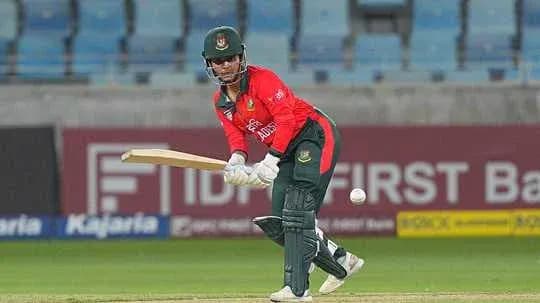
Nigar Sultana will walk out for one last time as Bangladesh’s T20I captain with a bat to prove a point, not a grudge to settle.
On Sunday, after a bruising 114-run defeat to India in the Asian Games semi-final at Korogi Sports Park in Nisshin, she confirmed what had been brewing since before the tournament: she is stepping down from the T20I captaincy to concentrate on her batting.
The timing, straight after a hammering, invited obvious speculation. The narrative outside the dressing room was simple – not enough backing from the board, a captain worn down by “tough times”. Nigar cut through that quickly.
“No, it's totally false that I left because I was hurt,” she told reporters. For her, this is about output, not emotion. “As a batter, as a player, I have a lot more to give to my country and my team. So I want to focus on that, and that's why I made this decision.”
India run riot, Bangladesh fold
The decision landed on a day when Bangladesh’s batting frailties were laid bare under the harshest light.
Asked to bowl first, they were dragged around the ground by India and, in particular, by Shafali Verma. The opener unleashed a brutal, controlled assault to register her maiden T20 international hundred, an unbeaten 100 off just 49 balls. India surged to 195 for 4, a towering total in a high-pressure knockout.
Once the chase began, Bangladesh never looked close. They looked tentative from the start, then quickly overwhelmed. The innings disintegrated to 81 all out in 15.4 overs, a collapse that underlined exactly what Nigar has been talking about: a batting unit too brittle when the asking rate climbs.
“When you're chasing a big total, this kind of collapse is natural,” she said, but there was no attempt to sugarcoat the responsibility. “With slightly better bowling, we could have restricted them to fewer runs. When a team collapses for so few runs, we as batters definitely took no responsibility. If even one top-order batter had stayed till the end, we could have added more runs.”
Her reference point was on the same strip, earlier in the day. Sri Lanka had managed 107 against Pakistan on this surface. Bangladesh, with a semi-final on the line, never even got close to that benchmark.
Preparation problems and missed chances
Nigar did not hide behind excuses, yet she did not ignore context either. Bangladesh arrived in Japan with plans, only to see them washed away – literally.
Their training schedule was shredded by rain. What should have been a meaningful build-up shrank to just two days of practice. Their group-stage match against China was abandoned without a ball bowled. A planned warm-up against the same opponents never materialised.
“We have virtually no training facilities here,” she said, laying out the reality. “Had we played that first match against China, it would have been much better for the whole team. But we missed that opportunity too. Overall, I'll say the entire team played very poor cricket.”
It was a blunt assessment from a captain who, even on her way out of the role, refuses to soften the message. Poor preparation hurt them. Poor execution finished the job.
One last toss, one more target
The tournament is not over for Bangladesh. The gold medal is gone, but there is still a bronze to fight for, and it comes against familiar opponents: Pakistan.
For Nigar, it will be her final outing as T20I captain, a last chance to drag a wounded side to a podium finish and to leave the role on something resembling her own terms.
“We have a good record against Pakistan. There is a sense of positivity there,” she said, looking ahead rather than back.
A heavy defeat, a captain stepping down, a batting line-up under scrutiny – it could all feel like an ending. For Nigar Sultana, it is something different: a reset. One more game with the armband, then the focus shifts fully to the bat in her hands and the runs she still believes she owes her country.