NBA Focuses on Stricter Rules for Push-Offs and Flopping in 2026-27 Season
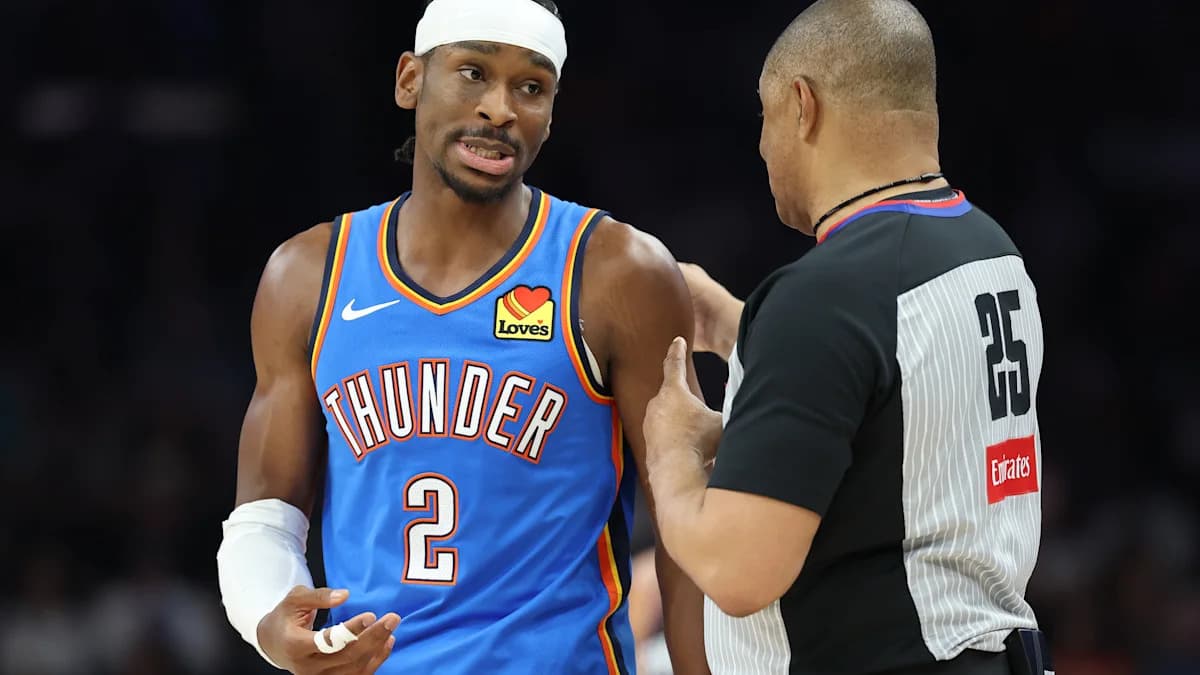
Key Areas of NBA Officiating Emphasis for 2026-27
As the new NBA season kicks off, attention isn't just on players and lineups but also on how referees enforce rules. The league has pinpointed four critical areas needing closer watch to ensure fair play during the 2026-27 season.
Main Points of Emphasis
- Off-arm push-offs: Offensive players using their arms to shove defenders away for better shooting space.
- Two-hand screen shoves: Specific types of screens involving two-handed pushes, which the league aims to control more strictly.
- Freedom-of-movement violations: Defenders grabbing or holding offensive players off-ball to slow them down.
- Straight-line pathway contact: Both attackers and defenders creating contact to influence shots or draw fouls.
Monty McCutchen, NBA's head of referee development, explained officials will apply what he calls the "four Fs" to judge push-offs: if a player is simply feeling or firming position mostly with legs, play continues; but if they cross into forceful contact with fully extended arms, a foul is called.
The competition committee wants to eliminate full arm extensions, aiming for consistent visuals on these plays.
Though differentiating between "firming up" and "forceful" can feel subjective, the goal is clearer, more uniform calls throughout the season by meeting frequently with the competition committee for feedback.
James Jones, head of basketball operations, stressed the need to balance offense and defense fairly, acknowledging that games often hinge on creating valuable space.
Tackling Flopping More Firmly
Flopping has been a persistent issue, and the NBA plans stricter enforcement, including calling technical fouls during games and issuing fines or suspensions afterward. Officials will use the STEM criteria to identify flops—looking for secondary, theatrical, exaggerated movements like wild arm flailing, excessive falling distance, or actions risking injury.
McCutchen said refs must penalize over-the-top theatrics without ignoring genuine contact. "You can call an offensive foul and also recognize a flop," he noted.
He pointed out head snaps alone won’t count as flops, a note relevant when watching players like Jalen Brunson.
Screens and Physicality
The league is concerned about smaller players setting screens differently from traditional big men. With more guard-to-guard screens in today's positionless basketball, some have relied too much on arm pushes rather than solid body positioning, creating unfair advantages.
"We never want strength to override positioning and skill," McCutchen said, emphasizing quickness and technique over brute force.
Early-Season Whistles and Adjustments
Expect more fouls called early in the season as players adapt to tighter rules. Jones believes players are excellent at adjusting within seconds during possessions, so whistles should decrease once everyone settles into the new standards.
Officials must also manage communication well, especially with younger refs. Silence or avoidance is seen negatively, so building trust through clear, consistent calls is vital.
"If we’re reducing inconsistent errors and improving our work, that’s all we can ask for," McCutchen said.
Better officiating helps players focus on competing and producing memorable moments on the court, according to Jones.