.svg&w=384&q=75 "logo")
Naomi Osaka: Fashion Statement and Mental Health Advocate
Naomi Osaka has never blended into the background. Not with her tennis. Not with her words. And certainly not with her clothes.
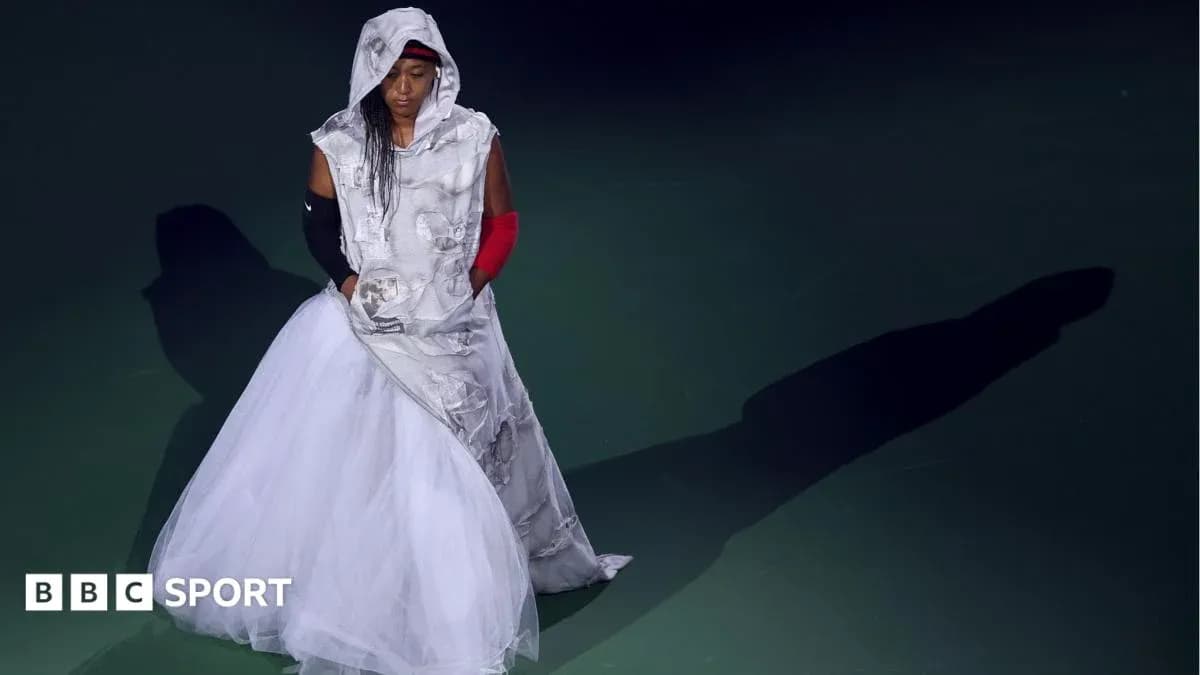
At this year’s US Open, the four-time Grand Slam champion turned Arthur Ashe Stadium into a runway with a message. For her first-round win over Anastasia Zakharova, Osaka walked in wearing a hooded white gown that looked more gala than grind, then peeled it back to reveal an all‑black, basketball-style kit. Braided hair. Headband. A clear nod to Allen Iverson, the former NBA star she called a “trailblazer” for how he bent fashion and culture to his will, “whether it’s on purpose or not”.
That look drew headlines. So did the one that followed.
In her last-16 defeat to Elena Rybakina, Osaka stepped out in a decorated coat before settling into her match gear. It was another statement, another refusal to separate sport from style, identity and history. The reaction online was predictable: praise from some, criticism from others who felt the outfits were too much, too loud, too far from tennis convention.
Osaka has heard it all. She just isn’t backing down.
“I don’t mind being the first to do something and getting trashed for it,” she wrote in a social media post, addressing the backlash head-on. She linked the noise around her fashion to a much deeper fault line in her career: the moment in 2021 when she chose to prioritise her mental health, refused to speak to the media at the French Open and then withdrew from the tournament altogether.
“This happened when I talked about mental health and for some reason it’s happening with my clothes lol,” she wrote.
That decision three years ago split opinion, but it also forced tennis to confront how it treats its stars. Osaka knows it. She knows, too, that her willingness to absorb criticism then has made it easier for others to speak now. In her mind, the wardrobe debate sits in the same category: a storm she’s willing to walk through if it clears the sky for the next generation.
“As long as the people after me have an easier path it’s worth it,” she wrote.
Osaka’s defiance is rooted not just in personality, but in heritage. With a Haitian-American father and Japanese mother, she has long stood at a cultural crossroads, often carrying the weight of representation for both nations. This time, she leaned straight into it.
“I’m literally Haitian it’s in my blood to be this way,” she posted, tying her boldness to a lineage of resistance and flair rather than a fleeting fashion whim.
For Osaka, the clothes are not a sideshow. They are an extension of the same instinct that pushed her to speak about anxiety and depression when it was easier, and far safer, to stay quiet. The same instinct that led her to wear masks bearing the names of Black victims of violence during her run at the 2020 US Open. She understands that visibility carries power, and that power always attracts pushback.
The results sheet from New York will show a run that ended in the last 16 against Rybakina. The images will show something else: a player using every inch of the stage, from the baseline to the walk-on, to say who she is and what she stands for.
The criticism will keep coming. Osaka seems ready for it. The real question now is how many players will follow her lead, not just in what they wear, but in how boldly they choose to be themselves.