.svg&w=384&q=75 "logo")
Morgan Gibbs-White: Next in Line for England's No.10 Role
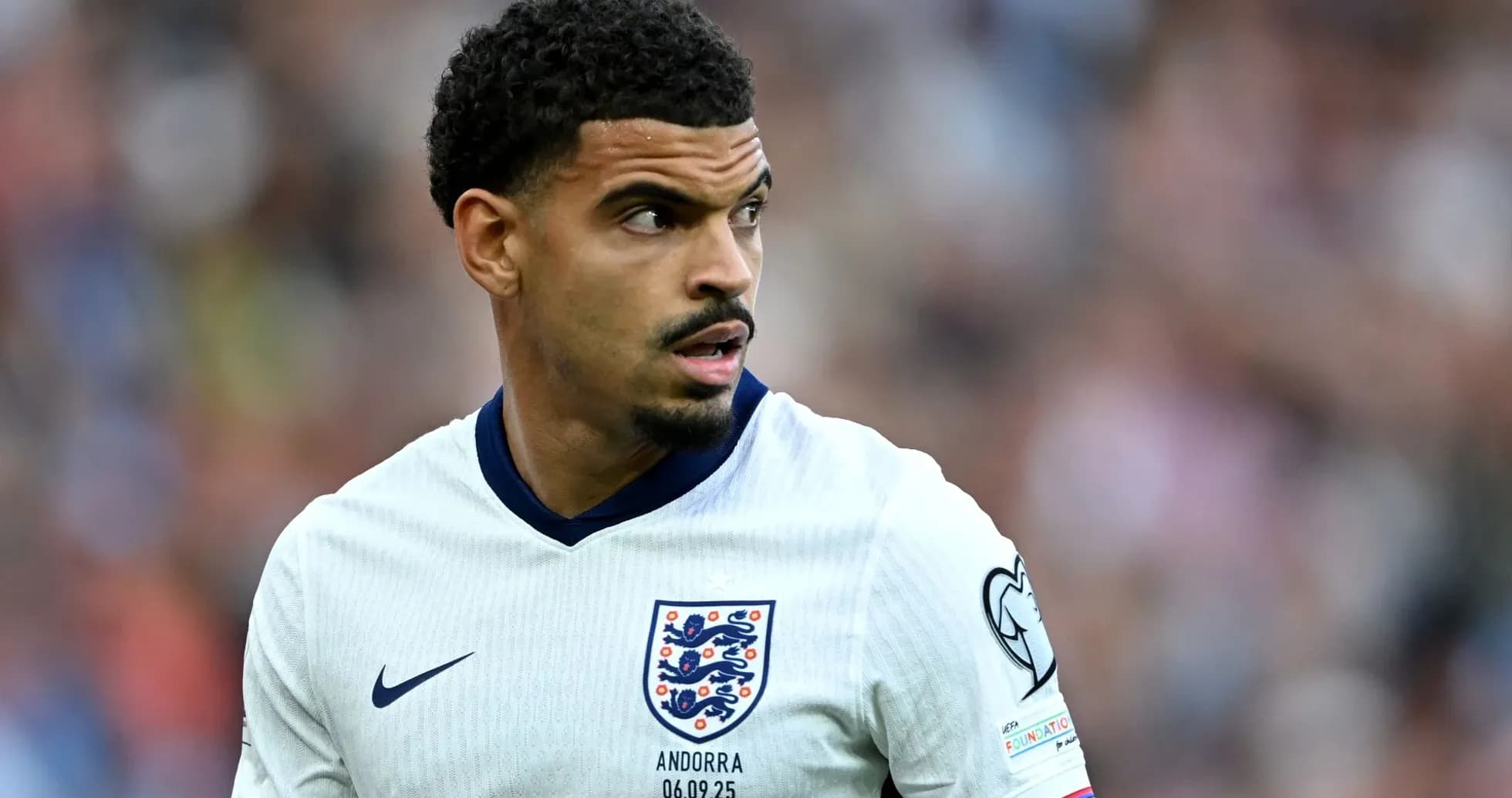
English football has rarely been so rich in No.10s, and that boom has left Morgan Gibbs-White trying to punch his way through a very crowded door.
At the top of the tree sits Jude Bellingham, the Real Madrid superstar who has turned the role into his own personal stage. Behind him, Cole Palmer, Morgan Rogers, Eberechi Eze and Phil Foden all jostle for position. Fulham’s teenage prodigy Josh King is already forcing his name into the conversation at just 19.
Amid that traffic, Gibbs-White quietly put together a spell that was anything but quiet.
From the start of 2026 to the end of last season, the Nottingham Forest playmaker hit a blistering run of form. Twelve goals across all competitions, many of them in high‑pressure moments, dragged Forest away from relegation danger and carried them all the way to a Europa League semi-final. He became the heartbeat of a side that had no right to be flirting with Europe, let alone the last four.
It still wasn’t enough.
When Thomas Tuchel named his squad for the World Cup in North America, Gibbs-White stayed at home. The England manager looked elsewhere for creative cover, and when the Nations League campaign came into view, the Forest captain’s name remained on the outside looking in.
Only the misfortune of Palmer opened the door. An injury to Chelsea’s talisman finally created a gap, and Gibbs-White slipped through it, called up as the next man in. The question now hangs over him: is he destined to live in that space, always “next in line”, or can he force his way into the core of this England era?
Forest, the shop window – or the destination?
For Des Walker, the club badge on Gibbs-White’s chest is not the problem. The Forest legend, speaking to GOAL, pushed back on the idea that a move to a Champions League regular is a prerequisite for international status.
He pointed to Elliot Anderson, who became an England regular while still at the City Ground, as proof that the pathway exists. Tuchel, Walker argued, cares far more about what you produce than where you produce it.
The obstacle is the depth chart.
Gibbs-White is only in this squad because Palmer dropped out. That reality places him behind the Chelsea man before a ball is even kicked. Then come Foden and Rogers, both staking serious claims for the same space between the lines. Eze and others lurk nearby. It is exactly the kind of congestion you expect in a major football nation, but it leaves little margin for error.
Walker’s assessment of last season cut to the heart of it. Gibbs-White finished the campaign “fantastically”, yet across the full stretch he could not quite match the week‑to‑week reliability of his rivals. That, Walker believes, is the leap he must make now: not flashes of brilliance, but a drumbeat of performances that never dips.
One game could change everything. One England appearance where he walks onto the pitch, takes the ball, and runs the show. International careers have been built on less.
Palmer’s setback has given him a sliver of luck. The rest is on him.
No hiding at the City Ground
On the domestic front, Gibbs-White has already resumed where he left off. He opened his 2026-27 account from the penalty spot in a breathless 2-2 draw at Liverpool, a result that underlined Forest’s growing refusal to be intimidated by the old order.
New boss Oliver Glasner has wasted no time in underlining Gibbs-White’s importance. The captain’s armband keeps finding its way onto the No.10’s arm, a clear statement that this team will rise or fall with his influence. Responsibility suits him. He chases lost causes, presses until his lungs burn, and rarely dips below full throttle.
That relentless edge matters in an England squad stacked with technicians. Tuchel knows he can find silk almost anywhere. Steel wrapped inside it is rarer.
The debate over whether Gibbs-White needs a move will not go away. A Champions League club, a bigger stage, brighter lights – it is an easy narrative. Walker, though, offers a sharp reminder: James Maddison’s switch from Leicester to Tottenham did not lock him into the England side. The badge did not save him. Performances did – and then, when they tailed off, they didn’t.
For Gibbs-White, the formula is brutally simple. Play well for Forest. Play well again. Then again. The rest tends to follow.
Across the next fortnight, England face Spain, Czechia and Croatia. Three different tests, three different rhythms, three chances for a 26-year-old with six caps to show he belongs in this golden generation’s inner circle, not on its fringes.
If he seizes even one of them, the conversation around Morgan Gibbs-White will shift from “next in line” to “try taking the shirt off him.”