.svg&w=384&q=75 "logo")
Iraq's Intent at Arabian Gulf Cup 27: Ready to Compete
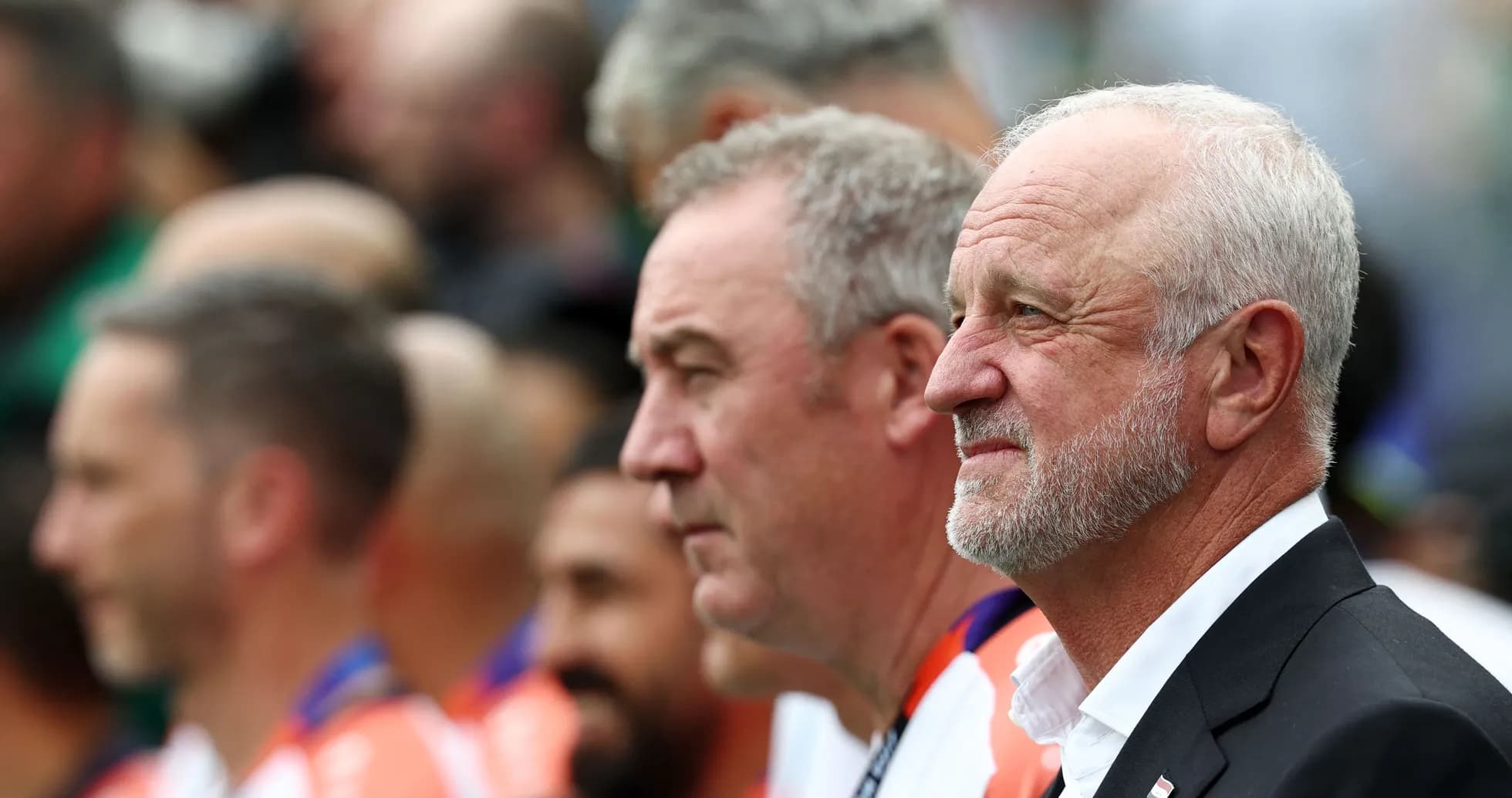
Iraq arrive at the Arabian Gulf Cup with intent, not ceremony. Gulf 27 is not a warm-up for them, not a laboratory for long-term experiments. They open against Oman knowing that in a short tournament with ruthless group stages, a slow start can be fatal.
This is a new-look Iraq, reshaped and recalibrated, but the expectations have not shrunk with the changes. If anything, they have grown.
Arnold’s Iraq, rebuilt on the run
Australian head coach Graham Arnold cut a clear, decisive figure on the eve of the match at Prince Abdullah Al-Faisal Stadium. He did not dwell on what Iraq lack. He leaned heavily into what they now have.
“We have a mix of experienced and young players, and this gives us an extra dimension to produce big performances,” he said, outlining a squad designed to compete now, not just develop for later. The message was simple: transition is not an excuse.
The changes have not stopped with the players. Arnold pointed to a revamped technical staff and a refreshed dressing room. It is a lot to put together in a short window, yet he insisted the group is ready to compete from the first whistle.
That readiness has been tested by the calendar. Iraq landed in Jeddah with barely any time to breathe, let alone build complex patterns of play.
“We had only two days to prepare in Jeddah,” Arnold admitted. Two days to tune fitness levels, drill pressing triggers, and shape a game plan for a stubborn Oman side. Two days to weld a new squad into something resembling a contender.
The coach did not flinch. “It is important that we work on physical fitness and prepare well for the clash. The players are capable of delivering a good performance, not only against Oman, but throughout the tournament as a whole.”
The ambition is clear. Iraq are not in Saudi Arabia to make up the numbers. They are talking about the title.
Chasing a title that “means everything”
For Arnold, this is not just another regional competition dropped into an already crowded calendar. He framed Gulf 27 as a key chapter for Iraqi football.
“We have new players, and this is the first time we have played in this tournament in years,” he said. That gap matters. It adds a layer of urgency. A sense of return.
“We are focused on the future, and we have the skills and abilities that help us compete and win the title, especially as the tournament holds great importance for Iraqi football.”
This is where the stakes rise. Iraq are trying to blend a generation, restore their edge in the region, and do it all under the pressure of a fan base that expects them to be among the heavyweights every time this trophy is up for grabs.
Short preparation. New faces. High expectations. No room for excuses.
“The Iraqi fans are our weapon”
On nights like these, Iraq rarely walk alone. In Jeddah, they will feel that more than ever.
Striker Ayman Hussein stepped up alongside his coach and spoke with the calm of a player who understands both the responsibility and the opportunity of this stage.
“We welcome you and thank the Kingdom of Saudi Arabia for this hosting, and we also congratulate them on the occasion of the National Day,” he began, before turning quickly to what really drives this team.
“The Iraqi fans will support us strongly in Jeddah, where they are in their second country, and we expect great support from them.”
He called them a weapon. Not a backdrop. Not an accessory.
On the pitch, Iraq are still a work in progress. In the stands, they are already fully formed. That noise, that colour, that relentless backing has carried Iraqi sides through countless tight nights in regional football. In a group this tight, it could tilt the balance again.
Hussein did not hide behind the idea of a long project either.
“The team is fully ready, we have made a number of changes, and there are players who will play their first international matches,” he said. New caps, old pressure.
“We will face a respectable team, and we aim to deliver a match worthy of the Iraqi national team.”
That word – worthy – lingers. It speaks to standards as much as results.
Group A: no soft landings
There are no gentle introductions in Group A. Iraq share it with Kuwait, Saudi Arabia and Oman. Four sides, two tickets to the semi-finals. Every dropped point drags you closer to the exit.
The format is simple and unforgiving. The top two from each group advance. Group A’s winner will meet the runner-up from Group B in the last four, while Group B’s winner takes on Group A’s second-placed side. Win that, and you walk out for the final on 6 October 2026, with the twenty-seventh Arabian Gulf Cup on the line.
Between now and that date lies a narrow, treacherous path. For Iraq, it starts with Oman, under the lights in Jeddah, with a rebuilt squad, a demanding coach, and a fan base ready to roar.
The question is no longer whether they are ready to compete. It is whether this new-look Iraq can turn all that noise, all that ambition, into a run that ends with their hands on the trophy.