Michael Carrick's Struggles at Manchester United: What Led to the Collapse?
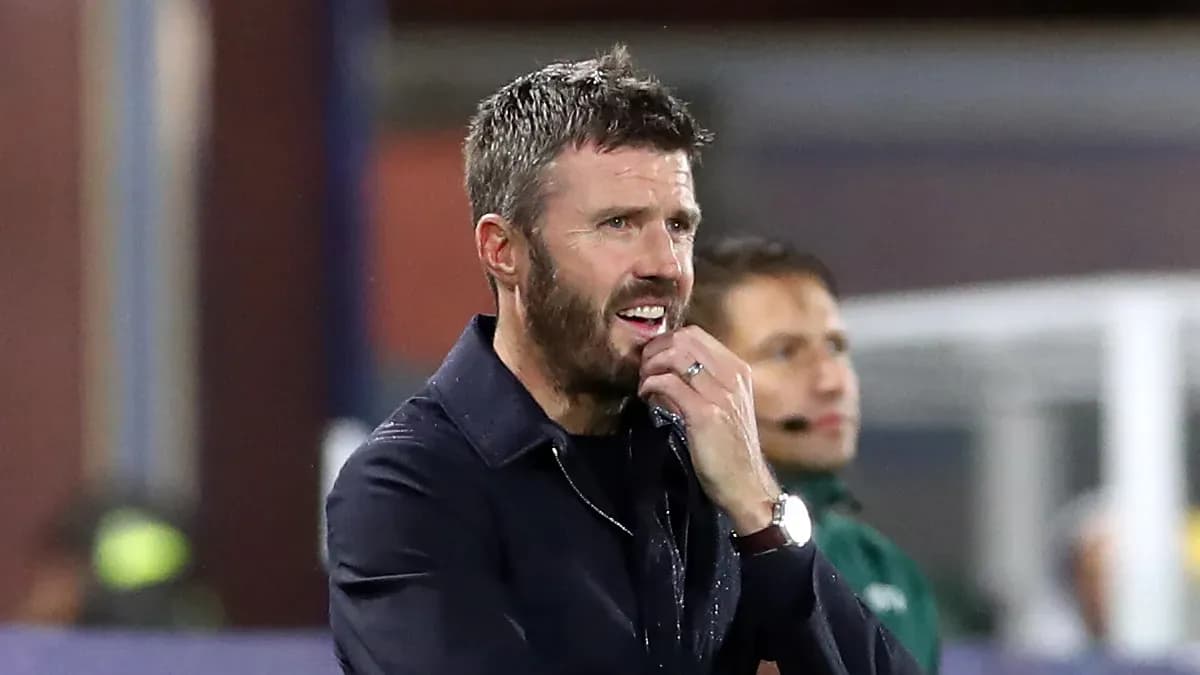
Michael Carrick's time managing Manchester United appears to be nearing an end after a humiliating 4-1 loss to Como in the Champions League. This defeat added to a series of poor results this season and damaged the club’s reputation in European competition. The pressure on Carrick is immense, and it seems unlikely the club will maintain the current direction much longer. After the match at Lake Como, Carrick expressed regret by raising his hands to the away supporters, acknowledging the disappointment.
Where Did Things Go Wrong?
One major issue has been Carrick's noticeably passive tactics this season. Last year, during his interim role, Manchester United were ranked sixth in the Premier League for limiting opponents' buildup pass completion outside the final third, according to MarkStats. This statistic indicated strong defensive pressure that disrupted opponents' attacking moves.
This season, that number has slipped to 14th place with an 83.1% completion rate allowed, showing more leniency in opponent build-up. The deeper problem is that United are not forcing turnovers high up the pitch either, generating only 16.7 opposition turnovers per match in the attacking third. This figure ranks as the third-worst in the Premier League and ninth-worst among Europe's top five leagues. Simply put, United allow their opponents far too much freedom with the ball.
Defensive Frailties
The defensive record this season is alarming. The team has managed only one clean sheet so far, in a Champions League match against Sabah. In the Premier League, they have conceded 10 goals across seven matches without keeping a single clean sheet, and they've given up two or more goals in six different games across all competitions.
Despite limiting the number of shots faced—ranking fourth-fewest in the league—the quality of chances allowed remains high, and opponents have capitalized efficiently. The four-goal concession at Como highlighted the team's defensive vulnerabilities, suggesting this might reflect their true level right now.
Inadequate Squad Depth
Certainly, injuries have hit hard, with key players like Manuel Ugarte sidelined long-term due to an ACL tear. Marcus Rashford, Kobbie Mainoo, Luke Shaw, Ayden Heaven, Patrick Dorgu, Lisandro Martinez, and Benjamin Sesko have also missed games due to fitness issues.
The bench during the Como fixture was weak, featuring players like Karl Darlow, Tom Heaton, Daniel Armer, Jayden Kamason, Jack Fletcher, Tyler Fletcher, and Tynan Thompson who did not enter the game. Those who did come on, such as Carlos Baleba, Amad Diallo, Joshua Zirkzee, Harry Amass, and Shea Lacey, offer limited experience. Summer signings Andrey Santos and Youri Tielemans started but failed to impress; Tielemans has drawn criticism for underwhelming performances.
This lack of quality options makes it tough for any manager, even one with Carrick’s knowledge of the club, especially now with European commitments back in the mix.
Potential Successors to Michael Carrick
If Carrick is relieved of his duties soon, perhaps following upcoming Premier League matches against Bournemouth and Chelsea, several names have surfaced as possible replacements. The most obvious candidate is Eddie Howe, currently unemployed after leaving Newcastle, although no official confirmation exists about his interest.
Other options include Antonio Conte, Julian Nagelsmann, and Kieran McKenna. Each comes with challenges: Conte left Tottenham abruptly and cited homesickness; Nagelsmann has only managed in Germany and faced dismissal after a disappointing World Cup; McKenna's experience is limited to Ipswich Town and would be untested at a big club level.
Gareth Southgate has expressed no desire to return to club management, and Fabian Hurzeler would be difficult to secure midseason given Brighton’s strong start.