.svg&w=384&q=75 "logo")
Max Verstappen Praises Robert Kubica's Extraordinary Comeback
Max Verstappen knows greatness when he sees it. So when he talks about Robert Kubica, the tone changes.
The triple world champion has watched Kubica’s long road back from that horrifying 2011 rally crash to the top step at Le Mans in 2025, and he doesn’t dress it up as anything other than extraordinary.
“It’s special,” Verstappen said. “Robert was a fantastic driver, and of course he still is. He had an enormous amount of talent.
“If you ask anyone here in the paddock, or people who used to race against him, I think everyone will say he was destined to achieve much more in Formula 1. Unfortunately, then that accident happened.”
Fourteen years on from the crash that reshaped his life and ended his front-line F1 career, Kubica stood on the top step of the podium at the endurance classic, victorious in the #83 AF Corse Ferrari Hypercar alongside Yifei Ye and Phil Hanson. It was the kind of comeback story that resonates even in a paddock often numb to drama.
While Verstappen reflects on what might have been for Kubica, the rest of the grid is dealing with what is happening right now.
Norris wrestling with a “unique” McLaren
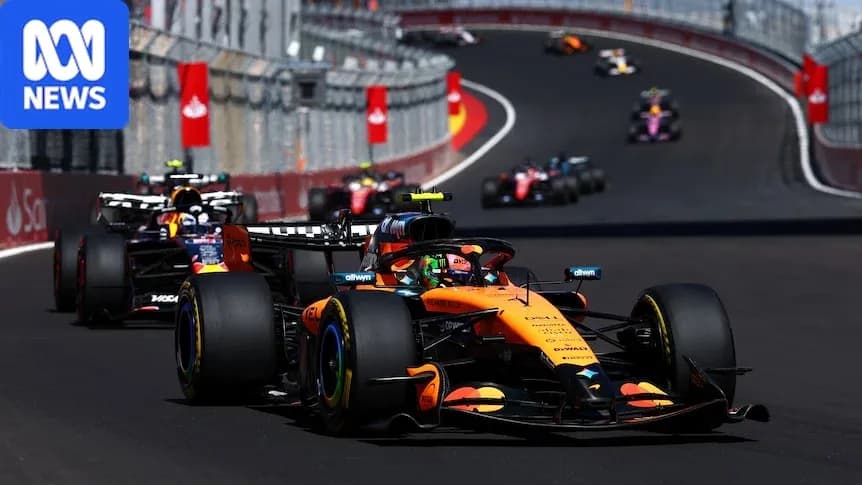
Lando Norris has spent the early part of the season learning a new car that, in his words, bears little resemblance to the one he drove last year.
“I certainly think this year’s car is different to last year by quite a long way, and again, you have to adapt to that,” the McLaren driver said.
He’s not sure whether the 2025 machine is radically different to the rest of the field’s designs, but he is convinced of one thing: McLaren’s DNA is still unlike anything else on the grid.
“I don’t know if this car is that different to other cars. I still believe it is, because it has been since I’ve been part of McLaren. Everyone who’s driven a McLaren has said how odd and unique a McLaren is to drive, and there’s been a good number of drivers who have said that and tested other cars at the same time.
“It’s hard to know if that’s a split between McLaren, but I’m speaking from what I know from last year’s car, an era of car to this year’s car.
“You have to drive it in a very different way, and there’s a lot of things I’ve had to adapt to at the beginning of the year to understand this year’s car, but I don’t think I have the ability to differentiate if it’s a McLaren thing or so.”
That adaptation process is about to be tested again. McLaren arrive in Baku with what they describe as their most significant upgrade of the season: a new floor, revised aero surfaces and, eye-catchingly, the return of the rotating “Macarena” H-wing.
The car has been vulnerable in fast corners, bleeding lap time where rivals thrive. The new floor is designed to shore up that weakness, while the latest version of the Macarena-style H-wing – removed in Madrid because it did not suit the required downforce level – is back on the car. If it works here, it could redefine McLaren’s threat at high-speed venues.
Red Bull play the long game with Hadjar
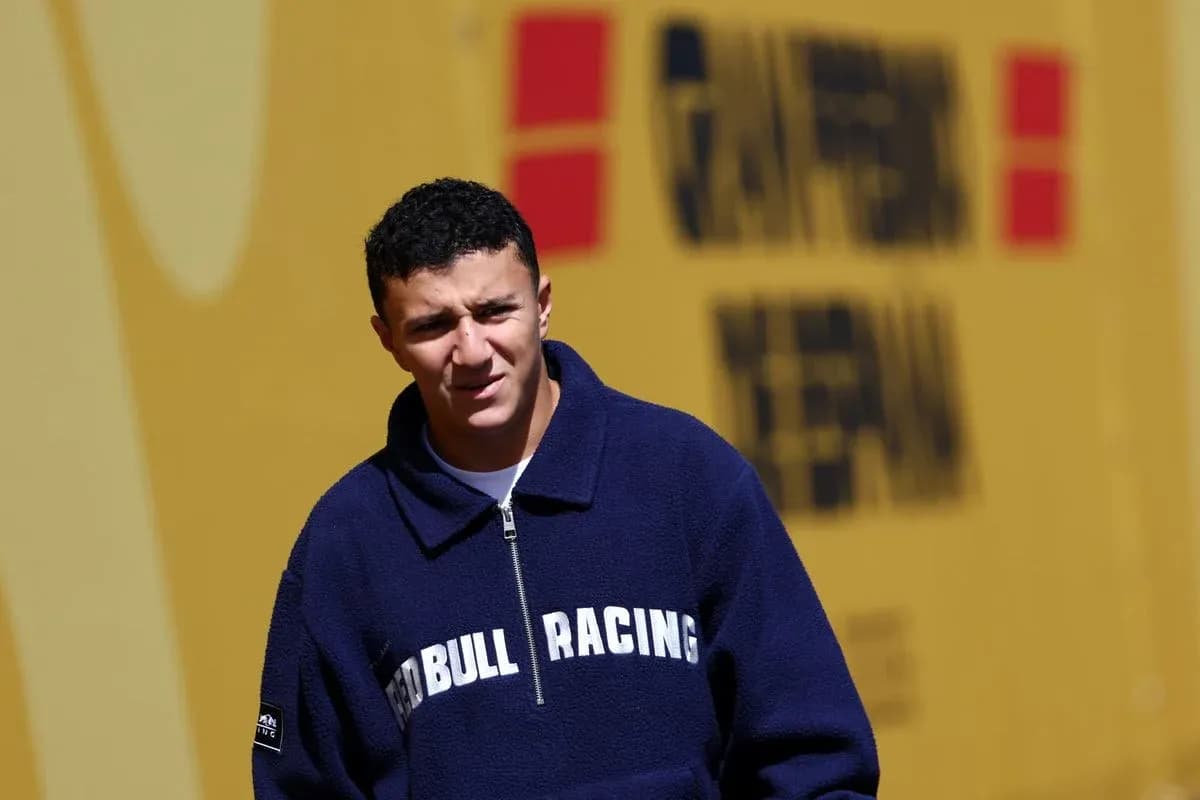
At Red Bull, the story has been less about hardware and more about hands. Specifically, Isack Hadjar’s wrist.
Team principal Laurent Mekies has been adamant for weeks: there would be no rush, no gamble, no repeat of the painful lessons the sport has already seen. Lance Stroll’s charge to sixth just two weeks after breaking his wrist in pre-season training back in 2023 earned admiration, but the price was brutal – chronic pain, corrective surgery, and a missed race anyway.
Red Bull refused to put Hadjar on that path. His stock is rising too fast to risk it. After a very strong debut year in F1, the Frenchman has not only survived alongside Verstappen, he has flourished. A podium already on the board. Crucially, he has become the first Verstappen team-mate in years who has not buckled under the weight of the seat.
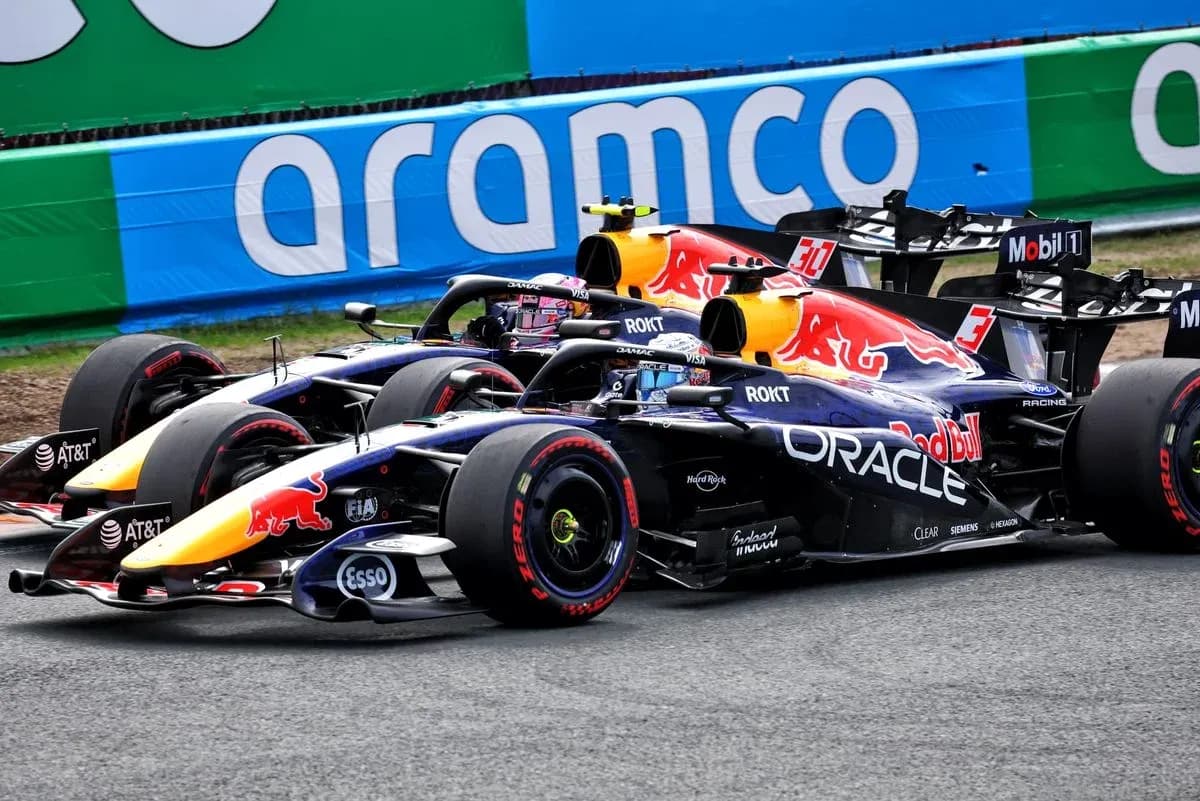
The cost has been disruption. The team’s driver shuffling over the last three race weekends has been awkward for both Red Bull and their sister outfit. But the payoff comes now.
Hadjar has been cleared to withstand the brutal loads that tear through a driver’s wrist at 200mph. He returns for the Azerbaijan GP, reinstated in his Red Bull seat at the Baku City Circuit.
“Oracle Red Bull Racing is delighted to welcome Isack back this weekend,” the team confirmed in a statement. “Having made a successful recovery from his wrist injury, Isack will return to action at the Baku City Circuit on Thursday.
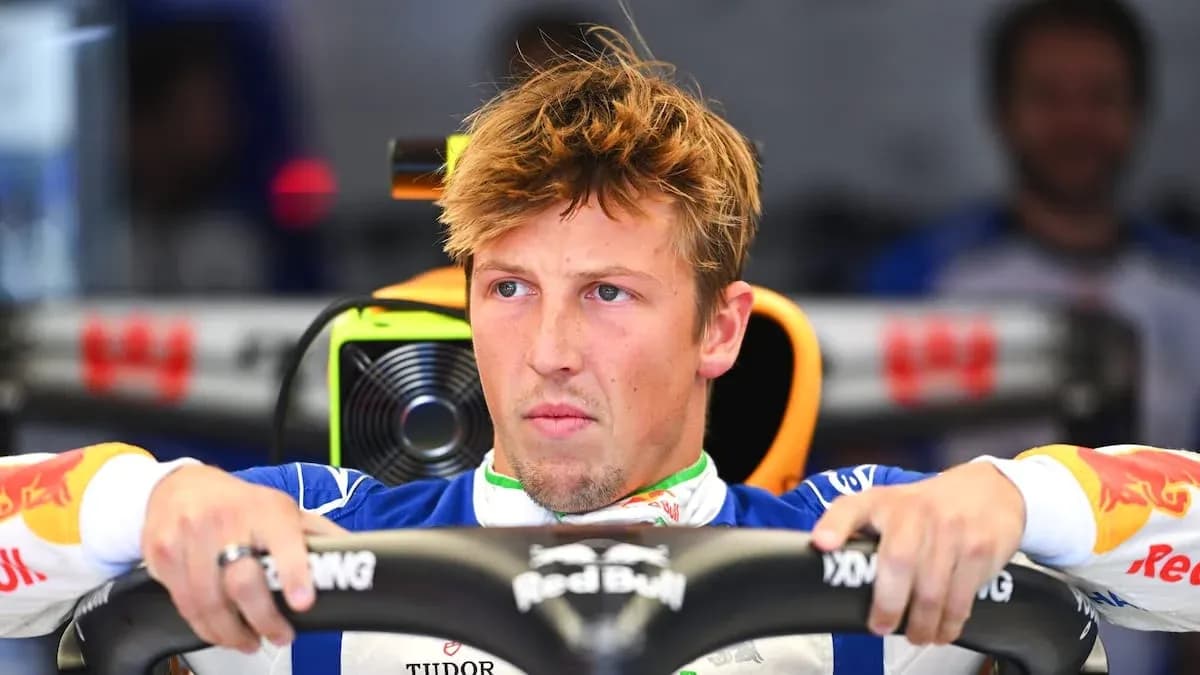
“The team would like to sincerely thank Liam for his professionalism, dedication and hard work over the past three races. Stepping in under challenging circumstances, he delivered some impressive performances and made a valuable contribution to the Team. We wish him all the very best as he returns to Visa Cash App Racing Bulls.”
Both Hadjar and Red Bull look set to benefit from the patience they have shown. The long game, for once, has trumped the temptation of short-term gain.
Mekies hits back after Rosberg criticism of Lawson
That statement for Isack Hadjar naturally came with another name attached: Liam Lawson. The Kiwi has been at the centre of a separate storm.
Nico Rosberg, never shy with an opinion, has publicly questioned whether any of Red Bull’s potential Verstappen partners truly meet the standard the team demands.
“That's certainly a difficult decision. They do need to decide at some point,” Rosberg told Sky F1. “The thing for Red Bull, though, is they're looking for the next Max Verstappen and the next Sebastian Vettel.
“Everything else is just not good enough. At the moment, I'm not sure that Liam Lawson would be considered at that level with what he's been producing so far.
“With [Arvid] Lindblad and also [Isack] Hadjar, it's still possible in the discussions for them.”
Rosberg’s verdict was blunt. Mekies’ response was just as clear.
“I think he's done a very good job,” the Red Bull boss said of Lawson. “I think we all know how difficult it is to jump to a different team, to a different car, and I think that he has done that to the best of what could have been our expectations.
“He has taken some very important points today with the P6. He did the same in Zandvoort and in Monza he would have done something similar without the contact with Nico [Hulkenberg] and the front wing damage.
“So, I think he did a very good job, again very different pictures compared to the first two races of 2025 when he was in the team so we are thankful and happy with that.”
Lawson’s sixth place in Spain, 14th in Monza, and his earlier points at Zandvoort might not scream “next Verstappen”, but in a car and environment not his own, they have impressed those who matter most inside the garage.
The debate over who truly deserves that second Red Bull seat will not end in Baku. But Lawson leaves his stand-in spell with public backing from his team boss and a reputation enhanced, not diminished.
New F1 rules set to change the rhythm of races
While teams juggle drivers and upgrades, the sport itself is bracing for significant change. The FIA has confirmed that big tweaks are coming to F1’s sporting framework next year after the latest F1 Commission meeting.
The familiar rule that a race must be completed within a maximum of two hours of running inside a three-hour window will be scrapped. That shift gives race control more flexibility when events are interrupted, cutting the risk of anticlimactic, time-limited finishes.
Race distances will also change. The standard grand prix length drops from 305km to 290km, with Monaco retaining its traditional 260km distance. The adjustment is tied to the previously agreed changes to next year’s power unit structure, introduced in response to heavy criticism of the 2026 regulations.
The goal is simple: allow drivers to run at full throttle more often each lap, rather than managing energy and components to extremes.
On the technical side, gearbox homologation will be removed for next season. The Sporting Advisory Committee says the move is designed to “preserve supplier development freedom”, opening the door for manufacturers to keep evolving their gearboxes rather than locking in a fixed design.
Shorter races, more flat-out laps, freer technical development, and a driver market simmering under the surface. With Baku looming and Red Bull’s internal battle sharpening again, the question is no longer whether the landscape is changing – it’s who will adapt fastest to the new world that’s coming.