Manchester City's Verdict: Impact Beyond Football
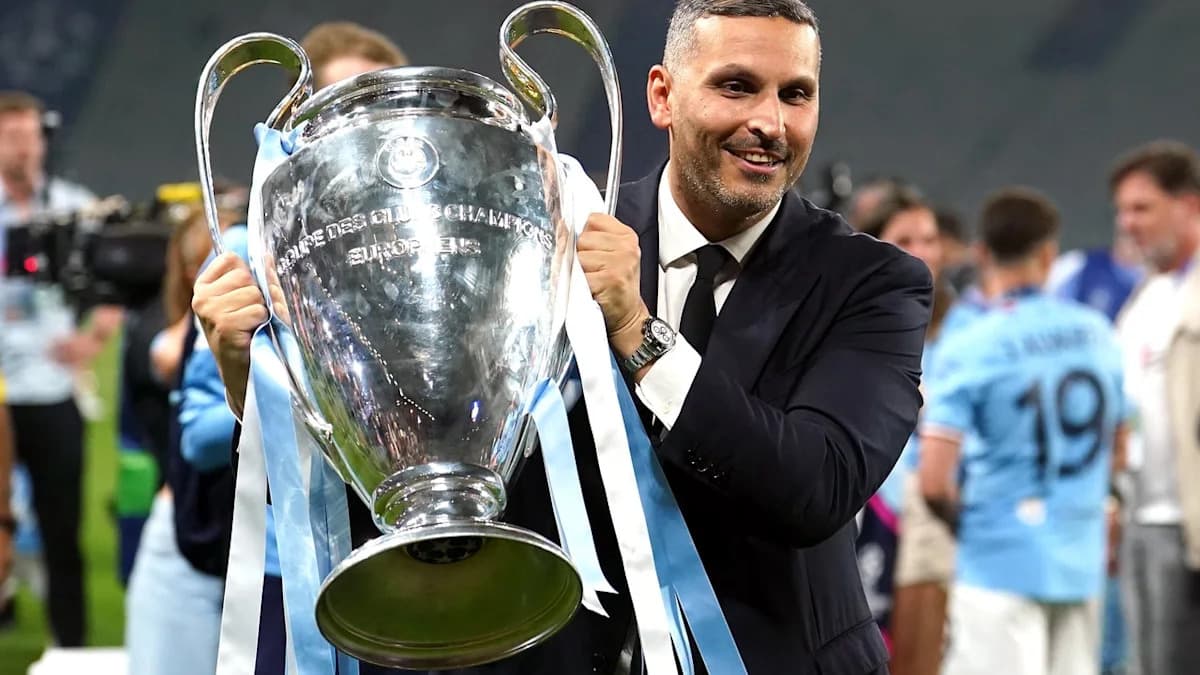
Manchester City Chairman Stands Firm Amidst Financial Breach Allegations
Manchester City’s chairman, Khaldoon Al Mubarak, openly addressed recent reports indicating the club may be found guilty of breaching Premier League financial regulations. Despite the expected verdict against the club, Al Mubarak issued a strong letter to fans, emphasizing his unwavering belief in the club's innocence. This case carries heavy significance not only for football but also for business interests tied to Abu Dhabi, reflecting personal stakes for Al Mubarak as he mentioned friends and family in his statement.
Legal Confidence Meets Harsh Judgment
Al Mubarak’s letter was thoroughly vetted legally to ensure it respected the strict confidentiality of ongoing proceedings. He reaffirmed the club’s confidence and determination to prove their innocence, referencing previous statements made since the charges first emerged in February 2023. The club had claimed to possess an extensive and irrefutable body of evidence, yet the anticipated ruling suggests much of this has been challenged by the independent panel.
Two particularly notable phrases from his message were: "There remain many who want to undermine the momentum of our club" and "We will not give them that opportunity." Given the Premier League’s obligation to investigate after the 2018 Der Spiegel leaks, these words hint at a defensive stance against external pressures.
Political Weight Behind the Chairman
The tone of Al Mubarak’s defiance is one familiar in political circles. His position extends well beyond football, intertwining with geopolitics between the UK and the UAE. Past incidents, such as the UAE’s threat to block billion-pound arms deals in 2015 over UK policies on the Muslim Brotherhood, highlight how trade and diplomacy can mix with sports controversies.
Described as a respectful and skillful negotiator, Al Mubarak also possesses a firm resolve reflecting his significant political influence. He famously declared during a previous UEFA case that he would rather spend millions on top lawyers to fight legal battles for years, showcasing his readiness for protracted conflict.
Background Shaping a Powerful Figure
Al Mubarak’s upbringing shaped his dedication. Son of the UAE’s former ambassador to France, who was assassinated in 1984, Al Mubarak developed strong patriotism. Encouraged by former ruler Sheikh Zayed to gain foreign education, he belongs to a generation aimed at expanding Abu Dhabi’s intellectual elite beyond its royal family.
At 50, he is considered the most influential non-royal figure in the UAE, holding key roles including chairman of the Executive Affairs Authority, CEO of the Mubadala wealth fund, and chairman of Manchester City. His leadership reflects broader UAE interests, with the club acting as an extension of the state’s ambitions. Comparisons have been drawn between responses to this case and other UAE-related geopolitical issues, like arms embargo violations in Sudan and Libya.
Club Ownership Linked to State Values
Though Sheikh Mansour acquired the club privately, Al Mubarak explained that Manchester City personifies Abu Dhabi’s values, reinforcing the political weight behind the ownership. The current situation threatens to become a public relations crisis for Sheikh Mansour, which might impact his standing within Abu Dhabi’s elite.
Speculation exists about possible personnel changes at the club if the verdict remains negative, though removing Al Mubarak himself seems unlikely given his high political status. No similar case in European football has reached this level of political and international significance.
Broader Implications and Geopolitical Context
This controversy is unprecedented in scale, touching upon geopolitical reputations and trade relations. Abu Dhabi’s private equity investments in the Premier League add complexity, with some rival clubs showing less intense reactions than in previous years.
Former Manchester Mayor and current UK Prime Minister Andy Burnham, who engaged with UAE leadership soon after taking office, has praised the club’s owners as major partners to the city. Although the investigation remains independent, these connections contribute to a widespread perception that power and resources heavily influence outcomes.
What makes the Premier League’s anticipated verdict so striking is the comprehensive nature of the charges upheld against a club backed by state-level resources. Yet, Al Mubarak’s steadfast confidence endures, revealing a blend of political savvy and resilience rarely seen in football leadership.