.svg&w=384&q=75 "logo")
Japan Hosts Historic T20I Against India: A New Era for Cricket
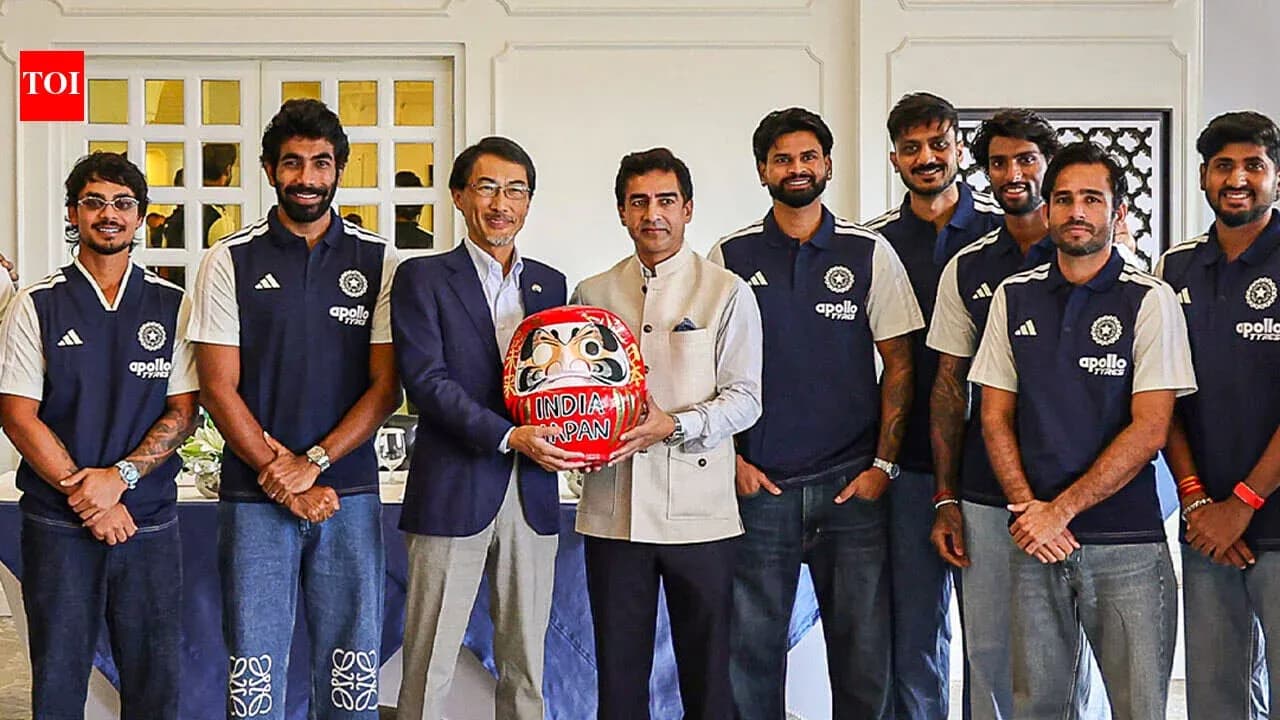
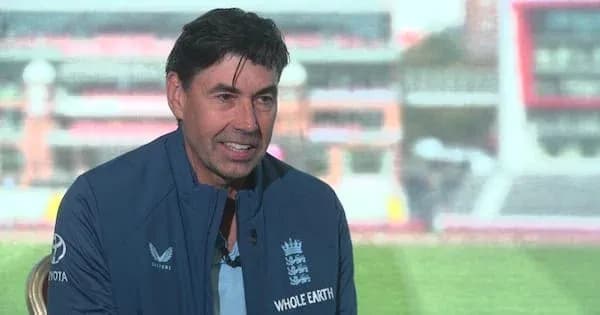
On the edge of a typhoon, with clouds stacking up over Sano, Alan Curr was on his knees pulling covers off a wicket that might just change Japanese cricket.
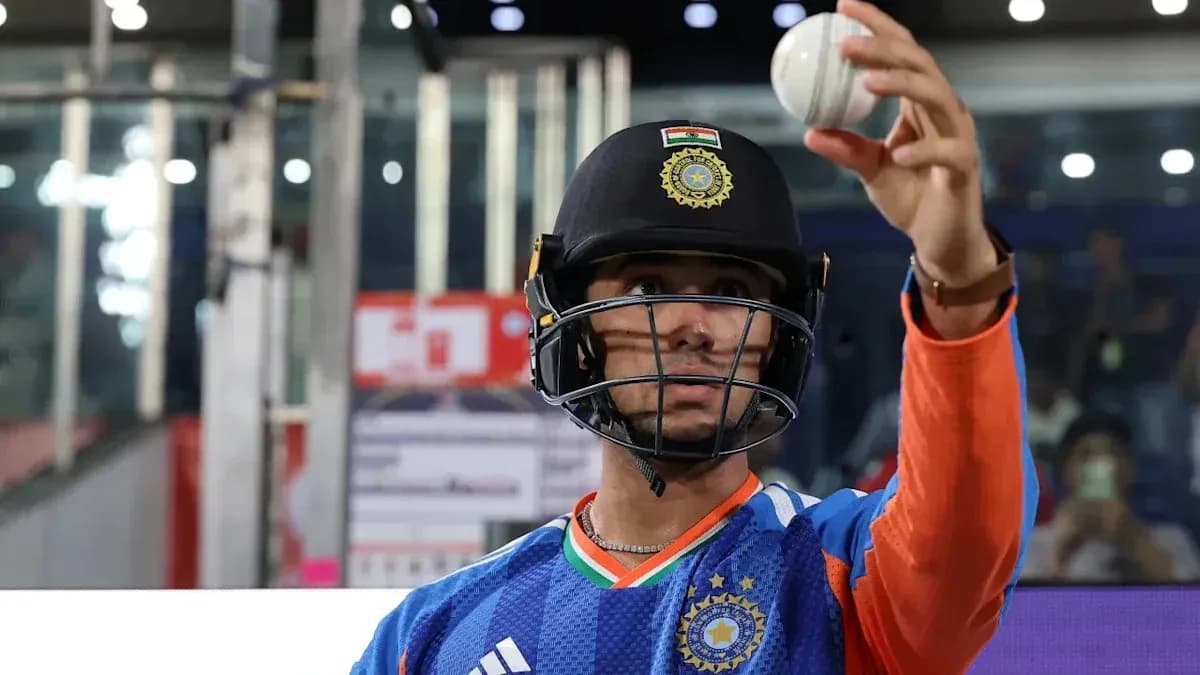
By Tuesday, if the weather allows, India — reigning T20I world champions, No. 1 in the world — will walk out against Japan in the country’s first-ever men’s senior international against a Full Member. A quiet ground with 500 permanent seats will host the loudest statement the sport has made here in decades.
For Curr, the Japan Cricket Association (JCA) COO, the scoreboard will barely scratch the surface of what this game means.
“A lot of success has almost already happened,” he says. India have agreed to come. Japanese media want to learn the sport. People are asking questions about a game that usually lives in the shadows of Baseball, Football, Sumo Wrestling, Basketball, Golf, Tennis, Boxing.
On this week’s evidence, cricket is finally making a noise.
A Different Kind of First
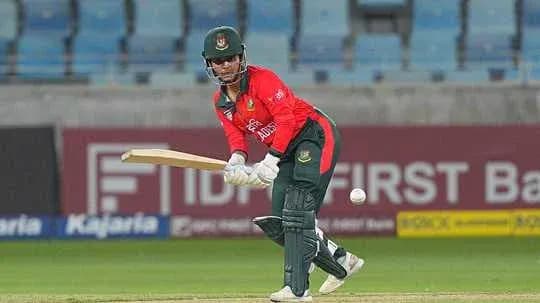
Japan are no strangers to international fixtures on paper. They have played in Under-19 World Cups, faced India and Pakistan at youth level, and their women’s team have flown the flag at the Asian Games.
But this is not another development tour. This is India. This is the world champions walking into Sano.
“It certainly helps to say that the reigning world champions, the No. 1 ranked team in the world, are coming to Japan,” Curr says. Interest has spiked. Curiosity has followed. That elusive “mainstream sporting audience” Japan craves suddenly feels a fraction closer.
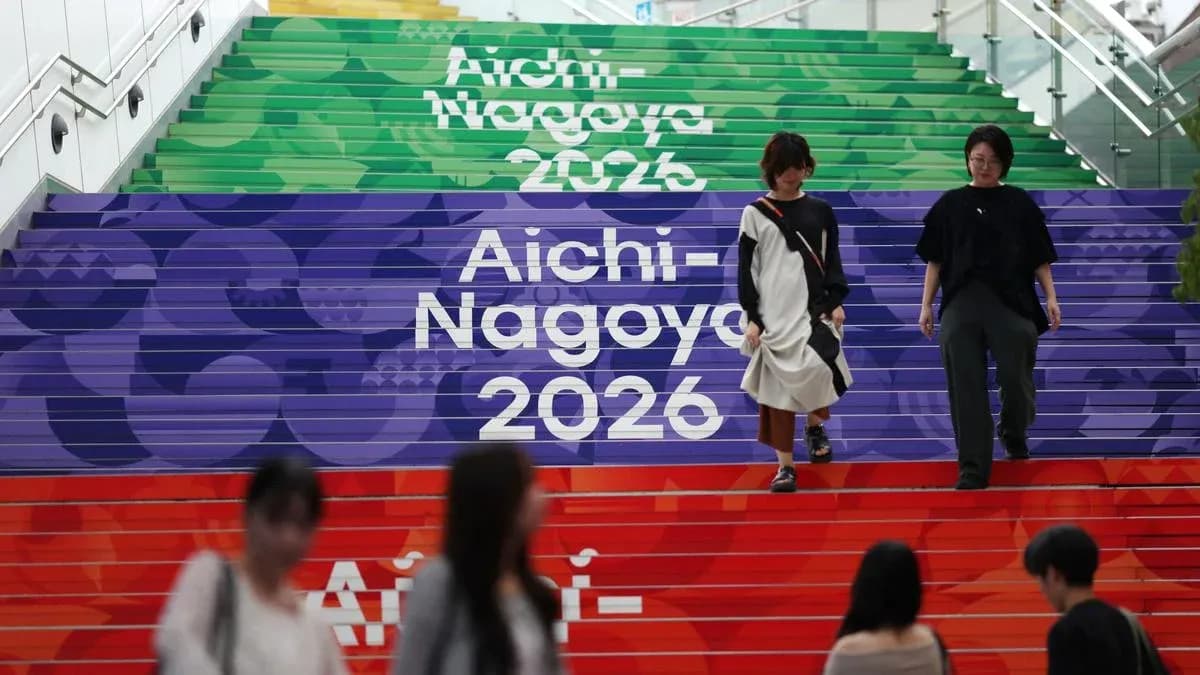
The calendar has helped. Cricket returns to the Asian Games in Aichi-Nagoya just days after this T20I, giving Japan a rare double: a global powerhouse in town and a multi-sport showpiece on home soil.
“The Asian Games gives cricket legitimacy that it didn’t have before,” Curr says. The logic is simple. “You can’t be what you can’t see.”
In a country where sporting heroes usually wear baseball caps or sumo belts, the sight of cricketers in national colours on a major stage matters.
Kaizen in the Outfield
The glamour of India’s visit masks a longer, quieter grind.
When Curr arrived in 2014, Japan had roughly 3,000 registered cricketers. That number has climbed to around 8,800. The Japan Cup, the national T20 competition, has swelled from barely a dozen sides to more than 80. The domestic 40-over league stretches across four divisions.
“Kaizen is the word,” Curr says. Continual improvement. A Japanese business philosophy, now stitched into the fabric of a niche sport trying to grow without shortcuts.
Most weeks that means coaching kids, running club competitions, finding fields and funding. Then a week like this comes along and the growth curve suddenly tilts.
“Now and again there are moments like this where you can accelerate that,” he says. India’s arrival is one of those rare accelerators.
Winning the Crowd, Not the Contest
No one inside the JCA is pretending this will be an even contest.
“This India team is pretty good,” Curr says, with the dry understatement of a man who knows exactly what his players are walking into. For a squad that has never faced this level before, “it’s going to be an extremely difficult challenge.”
So Japan are chasing something else.
Curr’s metric is cultural, not just competitive. He points to the women’s team at the Asian Games, who stayed back after their fixture against India to thank supporters and mix with fans. That, he believes, is the template.
“We want cricket to be played hard but also be accessible and friendly,” he says. “We want cricket to be fun.”
If thousands of first-time spectators leave Sano with more than just memories of India’s star power — if they remember a Japanese team that played with heart, stayed to talk, posed for photos, made the sport feel open rather than foreign — then the result may barely matter.
From Clay to India
The path to this historic fixture did not begin with a grand strategy document. It began with dirt.
Eighteen months ago, the JCA decided to relay the turf square at Sano. They turned to Sri Lanka Cricket (SLC), whose groundsman flew in to help identify the right clay. Those same materials were then used to build the Asian Games venue in Nagoya.
If Japan could produce international-standard wickets for a major event, a question quickly followed: why not invite the best to use them?
Once the pitches were finished in March, the JCA drafted a proposal and sent it to every Full Member ahead of the ICC conference in Edinburgh. It was an ambitious punt from a small board. The response from the Board of Control for Cricket in India (BCCI) surprised even Curr.
Conversations began in Scotland and gathered pace.
“The BCCI were really keen to have an opportunity to train,” Curr says. “It’s huge credit to them that they’re excited about coming here and building this relationship with the JCA.”
The schedule clicked into place. With the Asian Games starting days later, India’s men would otherwise have been stuck waiting around for their knockout fixture with no proper training base. Sano offered nets, turf, and a chance to play.
A training camp became a fixture. A quiet town became a staging post for the world champions. A relaid square of clay turned into a bridge between cricket’s old heartlands and one of its newest outposts.
Now, only the typhoon can spoil it.
If the rain stays away on September 22 at 9:30 am IST, Japan will not just host India in a T20I. It will show a new audience what cricket looks like when a country decides, slowly and stubbornly, that it wants to belong on the game’s map.