.svg&w=384&q=75 "logo")
India's Home Internationals Still Without Title Sponsor
The deadline has come and gone. The games roll on. But India’s home internationals are still without a title sponsor.
More than two weeks after bids were due, the Board of Control for Cricket in India (BCCI) is yet to close a deal for the naming rights to India’s matches. The talks have gone off the open market and behind closed doors, with the board believed to be in direct negotiations with heavyweights such as Google Gemini, SBI Life, IDFC First Bank and Spinny.
The asset is premium. So are the conditions.
A high-value property, tightly ring‑fenced
The BCCI’s Invitation to Tender (ITT) lays out a clear commercial map. The board “presently expects” to stage around 35 “Chargeable Matches” in the rights period — all involving the India senior men’s national team in international series or events. Domestic fixtures, ACC events, ICC events and all women’s internationals sit outside this bucket.
For each of those chargeable games, the reserve price is steep: INR 4,85,00,000 per match. In words, four crore eighty-five lakh rupees every time Rohit Sharma tosses the coin in India colours at home.
That number alone filters the field. The financial bar does the rest.
Any bidder must show an average turnover of at least INR 100 crore over the last three audited years, or an average net worth of the same figure across that period. This is not a playground for opportunistic start-ups or loosely structured alliances. The ITT shuts the door on individuals, unincorporated entities, consortia, joint ventures and joint bids. Only serious, standalone corporate players need apply.
Protected categories, protected partners
The most striking feature of this tender, though, is not the reserve price. It is the list of who cannot come to the table.
Beyond the usual prohibited sectors — tobacco, liquor, fantasy gaming, gambling — the BCCI has carved out entire industries: tyres, paints and sports apparel/merchandise.
The ITT spells it out. Any bidder “engaged directly or indirectly in the tyres, tubes and flaps industry” is barred. The same applies to those “operating/ engaged directly or indirectly in athleisure wear, performance wear, and sports merchandise and equipment,” and to companies in “paints, waterproofing and wallpapers.”
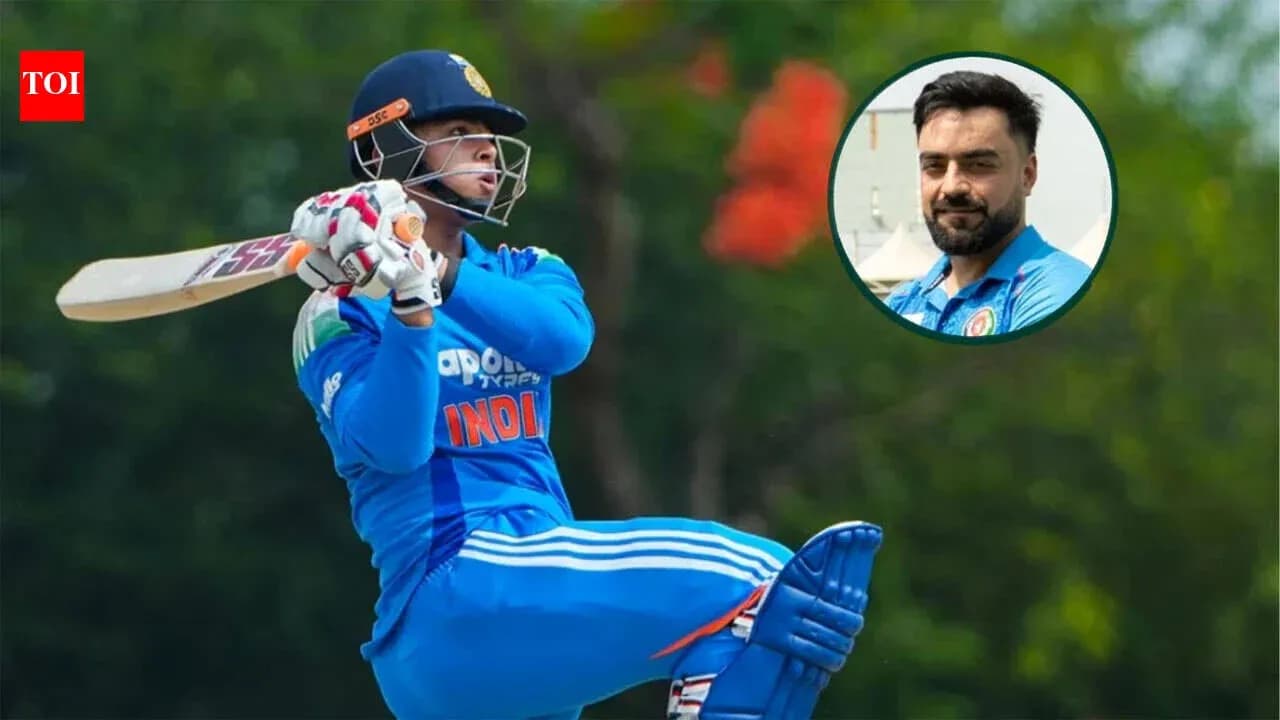
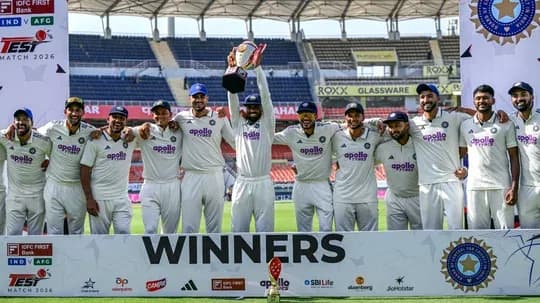
The logic is obvious. The board is throwing a protective ring around its existing blue-chip partners: Apollo Tyres, the lead jersey sponsor of the Indian team; Adidas, the official kit sponsor; and Asian Paints, an Associate Partner of the BCCI.
By locking out entire categories, the tender effectively rules out brands such as MRF, CEAT, Berger Paints, JSW Paints, Nike, Puma and Decathlon from even testing the waters. There is no indication any of these companies were poised to bid, but the BCCI has pre-empted the possibility by design.
In a crowded sponsorship ecosystem, the message to current partners is unmistakable: your turf is safe.
A premium stage waiting for a name
Strip away the legalese and the picture is simple. Around 35 men’s internationals on Indian soil, each with a multi-crore floor price, are sitting on the shelf without a title sponsor confirmed.
The BCCI holds all the levers — from the final schedule to the definition of “Chargeable Matches” — and has now tightened eligibility to protect its long-term commercial spine. The upside for the chosen brand is obvious: front-and-centre association with the most watched team in world cricket. The cost, and the competition, will be just as intense.
The only question left is not whether the rights will sell, but which heavyweight will decide this stage is worth the price of admission.