.svg&w=384&q=75 "logo")
The Unyielding Pressure of Grand Slam Tennis
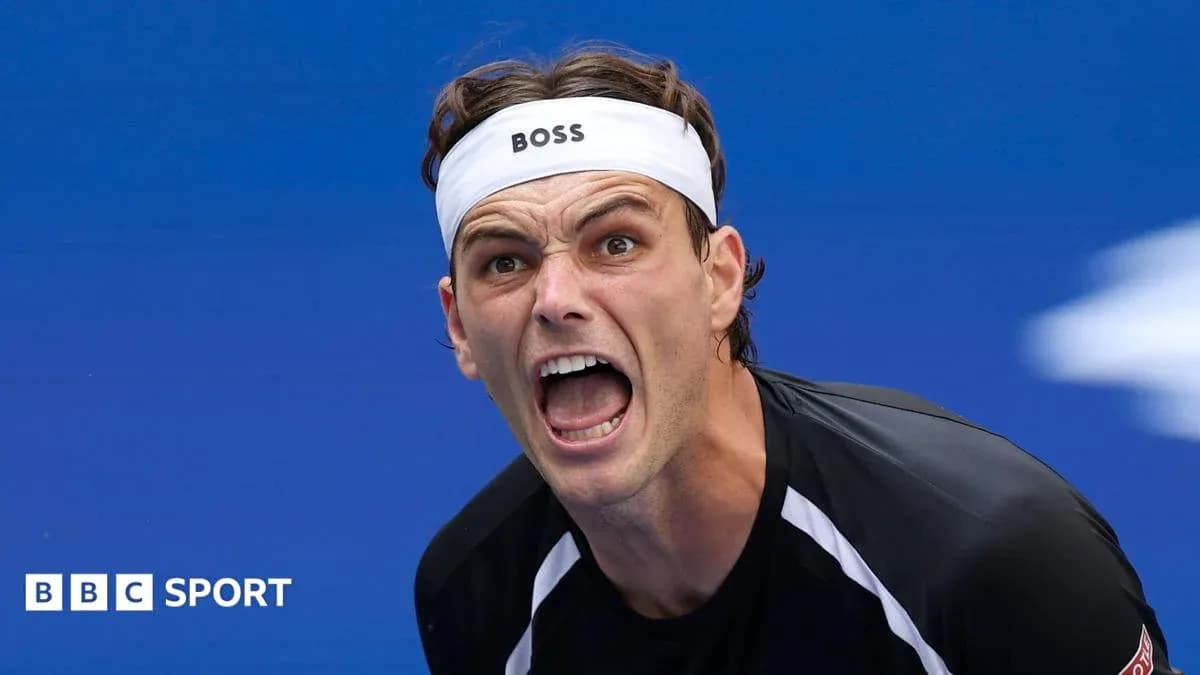
At this level, talent only gets you through the door. Athleticism, hours on the practice court, pristine numbers on the tour – all of it can still crumble under the lights of a Grand Slam. What separates the nearly-men from the champions is something far more fragile and far more brutal: the unshakable conviction that, on the biggest stage, you beat everyone.
Unwavering belief. Or, as Taylor Fritz has more bluntly framed it in the past, delusion.
The American, world number 10, arrived at this US Open as part of a pack suddenly staring at a rare opening. Jannik Sinner was out injured. Carlos Alcaraz, returning from a long lay-off, was still feeling his way back. The draw looked looser than it has in years. This was the kind of fortnight ambitious players circle in their minds for months.
Then the tournament bit back.
Six of the top 10 seeds were gone by the fourth round at Flushing Meadows. Fritz was among the early casualties, throwing away a two-set lead against Argentina’s Francisco Cerundolo in the third round. What looked like a golden opportunity turned into another scar.
Cerundolo, the 24th seed, has been one of the beneficiaries of the chaos. He summed up the mood of a suddenly wide-open men’s draw in blunt terms.
"It shows you how even the circuit is, how tight every match is, how difficult it is to win matches," he said. "Anything can happen right now."
Anything – except, it seems, the disappearance of two familiar shadows.
Sinner and Alcaraz have taken 10 of the past 11 Grand Slam men’s singles titles between them, a two-man squeeze on the sport that has warped the psychology of everyone chasing them. Their success doesn’t just set the bar; it raises the pressure on those who have yet to climb over it.
Fritz, speaking earlier this year, admitted to the Guardian that he expects to feel an "emptiness" at the end of his career if he never gets his hands on a major trophy. That is the weight many of his peers now carry into every Slam – the sense that their whole legacy hinges on two weeks where everything has to align and nothing can crack.
Alexander Zverev knows that strain better than most. The world number two finally broke through at Roland Garros this year, lifting his first major after years of near misses and mental turmoil. He later revealed he "could not sleep" and was "not eating" during previous Slam fortnights because of nerves. The pressure suffocated him.
Once he finally got over the line in Paris, something shifted. He swung more freely at Wimbledon, reaching the final before losing to Sinner, and he has kept himself alive in New York despite patchy form. Zverev is grinding through his half of the draw, surviving rather than sparkling, but the looming presence of Alcaraz – sharpening with every win – hangs over the men’s event.
For Pat Cash, the shape of the men’s game has become too narrow at the top.
"The two-horse race between Sinner and Alcaraz is not healthy for the tour," the former Wimbledon champion told BBC Radio 5 Live. "With every win, Alcaraz is becoming more of a favourite. Four months off, no matches and he could win the US Open."
The scoreboard of this US Open, though, tells a more tangled story than nerves and dominance alone.
There is a growing sense that, outside Sinner and Alcaraz, the current top 10 lacks the depth and durability of previous eras. The calendar is unforgiving, the physical toll obvious. Illness, injuries and sheer exhaustion have ripped through the seeds in New York.
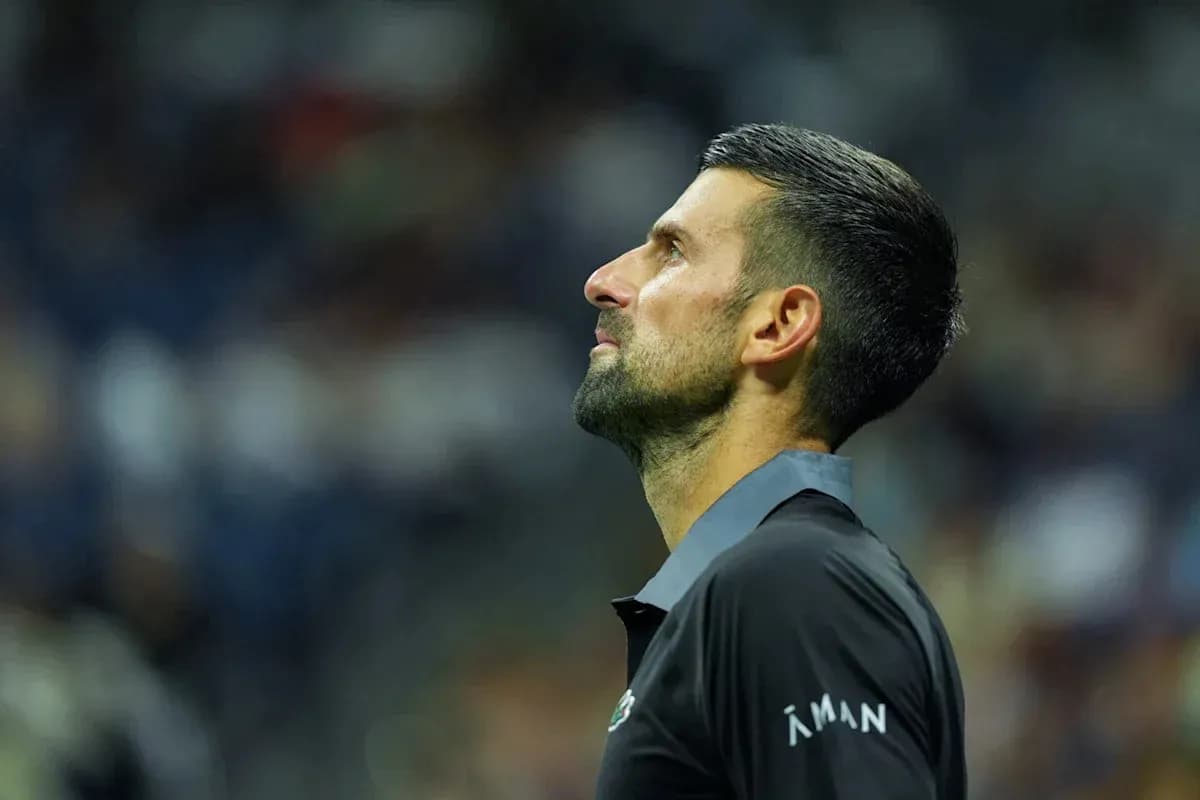
Novak Djokovic, the fourth seed and the standard-bearer of the previous generation, suffered a stunning first-round exit as his 37-year-old body finally betrayed him on a big stage. Third seed Felix Auger-Aliassime blamed dizziness for his second-round departure. Fifth seed Flavio Cobolli spoke of having no energy in his third-round defeat, pointing to his heavy match load and the draining New York heat.
Cincinnati champion Arthur Fils ran into a resurgent Stefanos Tsitsipas and fell in a bruising opening-round contest. Teenager Rafael Jodar, already past 50 matches in his first full year on tour, looked spent in his first-round loss.
Alexander Blockx, the Belgian who knocked out French Open finalist Cobolli, put it plainly.
"The season is long. I think all the guys who performed well in the preparation tournaments have it more difficult here," he said. "We're all human. We're not robots. Every week is difficult. Especially at a Grand Slam where it gets even more physical. Mentally you have to really stay in it."
That mental tax is not confined to the men. On the women’s side, four leading names are locked in a tight battle for the world number one ranking, adding another layer of strain to every round in New York.
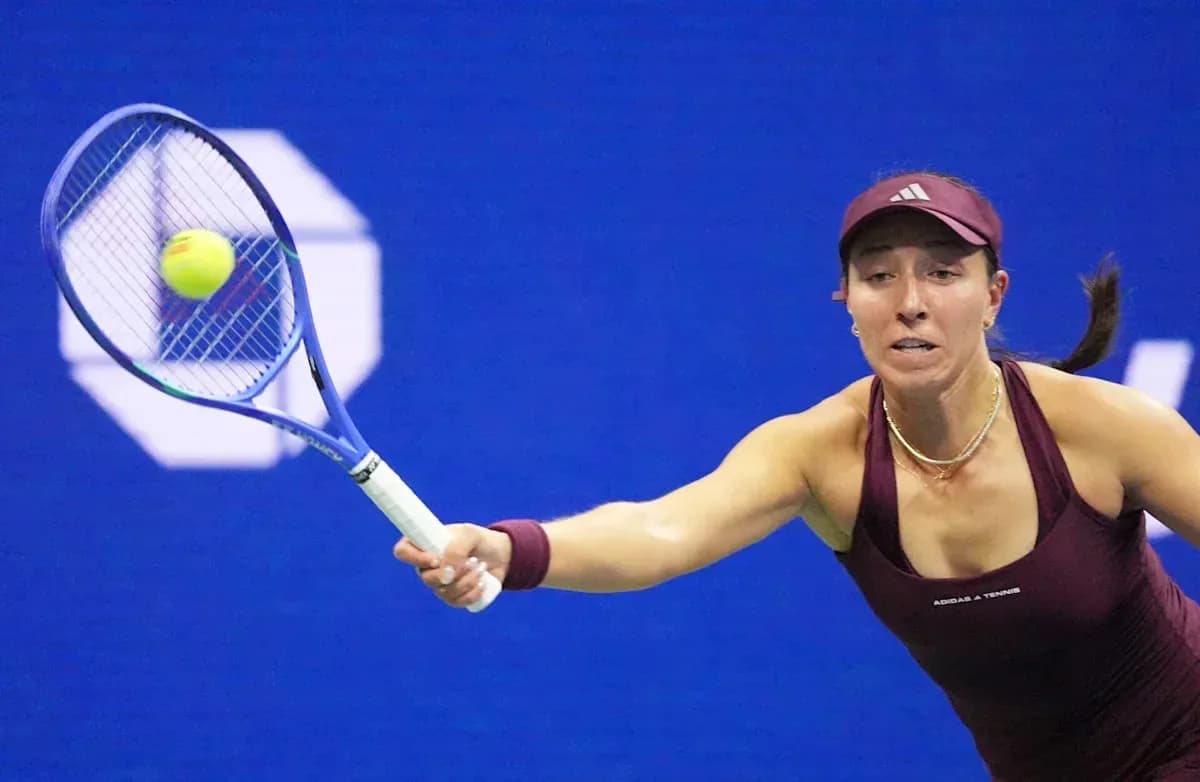
Aryna Sabalenka has held the top spot for the past two years, a period of sustained excellence that made her the tour’s benchmark. A recent dip in form, though, has left her position under serious threat. Elena Rybakina will overtake her if she reaches the semi-finals. Jessica Pegula and Coco Gauff, both deep into their prime years, could seize the summit if they go all the way and lift the trophy.
Pegula, one of the most consistent performers on the WTA Tour, highlighted how crowded the top tier has become.
"Looking at the difference between the points in the top 10 compared to the men, you can see how the depth is pretty crazy," she said. "Everyone has been very consistent and makes it hard to a certain extent [to win a Slam]. But then you know there's not one or two super dominant players where you feel like they have to lose in order for you to have a chance."
On one side of the sport, two young men have turned Grand Slam titles into a private duel. On the other, a pack of women are clawing over each other for a ranking that changes with every big swing.
Somewhere in between are players like Fritz, Cerundolo, Cobolli, Fils and Blockx – all fighting the same battle against fatigue, expectation and the brutal arithmetic of tennis at the very top.
Belief, or delusion, might be the fuel. In New York this year, the question is who has enough left in the tank to make it matter.