.svg&w=384&q=75 "logo")
Emilio Gay's Stubborn Resistance: A Strong Case for Opening in South Africa
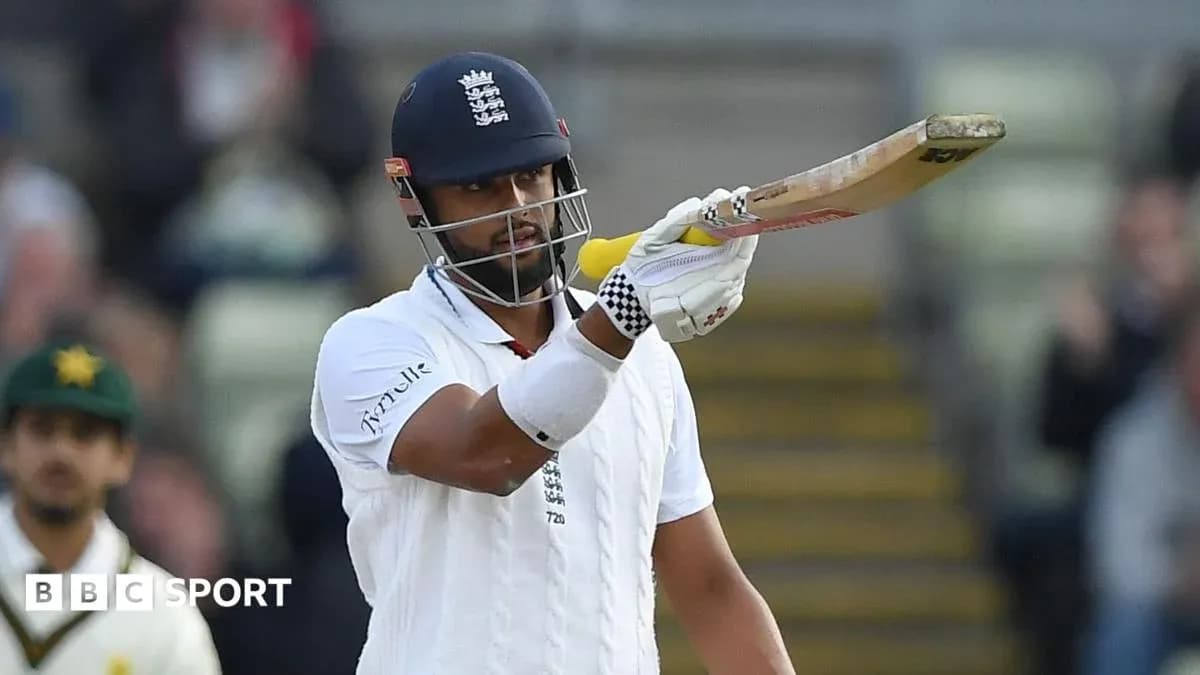
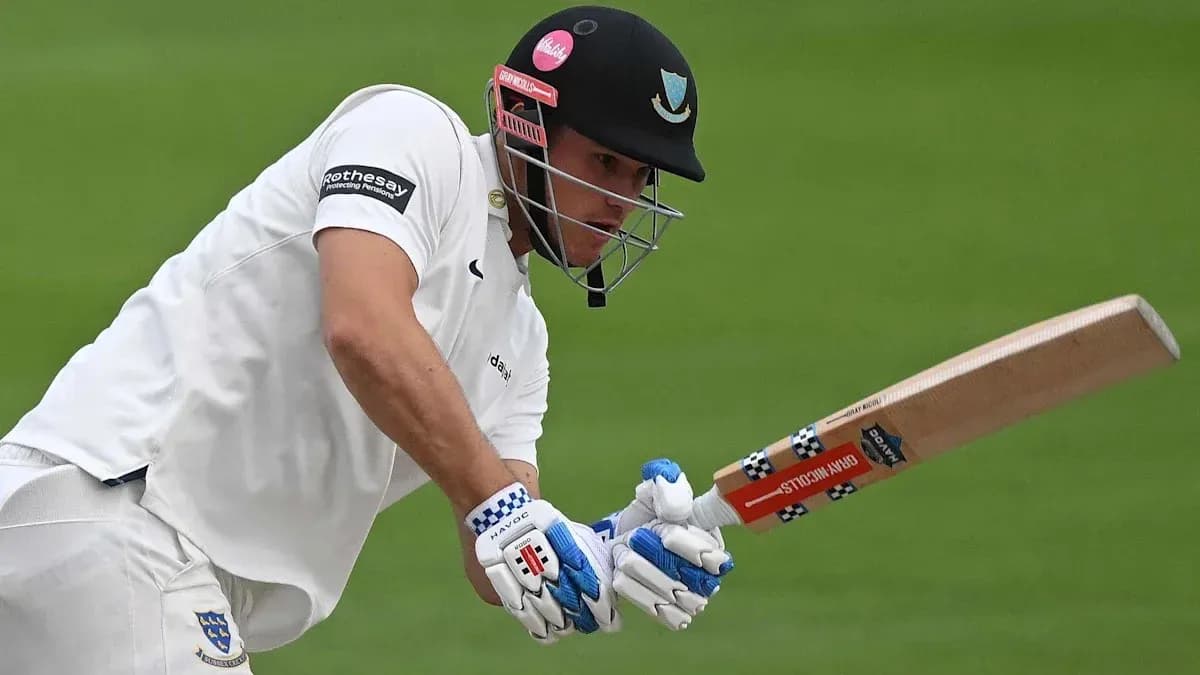
Emilio Gay walked off at Edgbaston with 60 to his name and a bat he clearly felt owed him more. The scoreboard said “missed chance”. The day, and the people who know opening as well as anyone alive, said something else entirely.
Sir Alastair Cook has seen enough. For him, England’s winter tour of South Africa should start with Gay’s name inked in at the top.
“He has done enough for me to take him to South Africa,” Cook told Test Match Special, his words carrying the weight of almost 12,000 Test runs as an opener. “He should open the batting.”
This wasn’t a pretty 60. It was something more valuable in an English summer that has chewed up and spat out top orders: it was stubborn, calculated resistance.
Runs that matter more than they look
On paper, 261 Test runs at an average of 26.1 does not leap off the page. In another era, it might not even keep you in the conversation. But this has been a season where the ball has bullied the bat. Six home Tests, one England centurion – Ben Duckett. That’s the backdrop.
Against that, Gay’s 60 from 114 balls against Pakistan was gold. He blunted a lively attack, took the shine off, and helped England seize control of day one at Edgbaston on a pitch that never quite let batters feel safe.
The innings had two distinct gears. He crawled to 12 from his first 43 deliveries, absorbing pressure, leaving, defending, refusing to flinch. Then, once in, the tempo shifted: the next 38 runs came from 52 balls. Same discipline, more intent.
Nine boundaries told their own story. So does the broader picture: 68% of Gay’s Test runs have come in fours, the joint-highest percentage of any England batter with at least 250 runs in the format. When he scores, he scores in proper shots, not scraps.
An opener built for hard days
What has caught the eye of Cook and the analysts is not just the runs, but how he makes them.
According to CricViz, Gay has left or defended 61% of the pace deliveries he has faced since his debut against New Zealand in June. Only Dom Sibley in 2020, at 68%, has bettered that figure for an England opener in a home summer.
That number matters. It speaks to judgment, to a willingness to soak up dull, difficult overs, to an understanding that sometimes survival is the most attacking thing an opener can do for his team.
Cook likes the method.
“I think Emilio Gay’s played really nicely. I would say he’s confident and intense,” he said. “He is definitely a run-getter when he gets in. He seems to have that real stubborn and strong will to make it count if he can.
“He’s not hunting that drive too often. He waits for it to come into there. He scores off the back foot through the off side as well. He scored through the leg side and timed them through mid-wicket so he does have an all-round game. He’s not limited to the off side.”
One detail Cook highlighted: how late Gay defends the ball. On a tricky pitch, that split-second patience kept edges soft and danger down. It’s the sort of technical note you hear from someone who has lived the job for more than a decade.
Flow found, century lost
Michael Vaughan saw the same blend of struggle and fluency.
“Emilio Gay found his balance early. He had it hard at the start and then he found his flow,” the former England captain said.
That flow put him on course for something bigger. A first Test hundred felt there for him, there for the taking, as Pakistan’s attack tired and the field spread. Then came the lapse.
Facing Razaullah Khan late in the day, Gay dragged on. A touch more pace, a touch less concentration. Stumps uprooted, head bowed, chance gone.
“He’ll be really disappointed to get out for 60,” Vaughan said. “He’ll be desperate to get his first Test match century and I thought it was on today. That extra little bit of pace from Razaullah and a little lack of concentration at the end of the day has cost him.”
The dismissal hurt. You could see it in his body language as he walked off. But the damage for Pakistan had already been done.
Work in the nets, steel in the middle
Inside the England dressing room, none of this came as a surprise. Seamer Josh Tongue pointed straight at Gay’s preparation.
“The one thing I’ve seen in Emilio is he trains really hard in the nets. He’ll bat for ages, putting a lot of hard work in, and it’s shown on the pitch,” Tongue said.
At Lord’s the previous week, Gay suffered what Tongue called “two quite horrible dismissals”. Lesser characters can unravel after that. Gay didn’t. He turned up at Edgbaston, faced a tricky surface and a sharp attack, and batted “unbelievable”, in Tongue’s words.
“He was obviously really disappointed with how he got out. It’s not a nice feeling, chopping on, but he’s put the team in a really good position for tomorrow.”
That last line matters. England’s new-ball batters are not being judged purely on aesthetics or averages in this climate. They are being judged on whether they can get the team into the game.
Gay did that. Again.
South Africa calling
Cook’s verdict cuts through the noise. He sees a left-hander with a strong will, a rounded game, and a method that should travel on truer pitches in South Africa. He sees an opener who leaves well, defends late, and, when set, scores quickly enough to hurt attacks.
In a summer where so many have groped for survival at the top, Gay has shown he can absorb the worst of it and still look for runs. The numbers may not be dazzling yet, but the traits are.
The winter will test them in a different way. The question now is not whether Emilio Gay belongs in that conversation.
It’s whether England are bold enough to let him grow into the role he’s already started to claim.