.svg&w=384&q=75 "logo")
Elina Svitolina Highlights War Impact on Ukrainian Athletes
Elina Svitolina’s voice cracked through social media long before the rubble in Kyiv had settled.
The Ukrainian star revealed that her own padel club in the capital, SVITO Padel Club, has been hit in a Russian attack, becoming the latest sporting venue reduced to debris in a war that has already exacted a grim toll on her country’s athletes.
“As of today, 776 Ukrainian athletes and sports officials have been killed as a result of Russian aggression,” Svitolina wrote on Instagram. “942 sports facilities across Ukraine have been damaged or completely destroyed. Today, my club, SVITO Padel Club, became one of them.”
For Svitolina, this was not just another statistic. It was personal. A project she had helped build, a space meant for competition and community, now sits among the hundreds of damaged or destroyed venues scattered across Ukraine.
She used the moment to underline what those numbers mean on court.
“Ukrainian athletes and our young generation do not have the opportunity to train and prepare for international competitions on equal terms with athletes from other countries,” she said, tying the wreckage of a club in Kyiv to the wider sporting imbalance created by the war.
Her message carried a clear demand as much as a plea.
“With this message, I want to reach out to our international partners and friends who support and cheer for us, Ukrainian athletes, on the international stage, and ask for your support and concrete actions that can help stop the aggressor.”
While Svitolina spoke from a country under fire, the sport she once led on court rolled on in New York, where the US Open delivered its own kind of emotional wreckage.
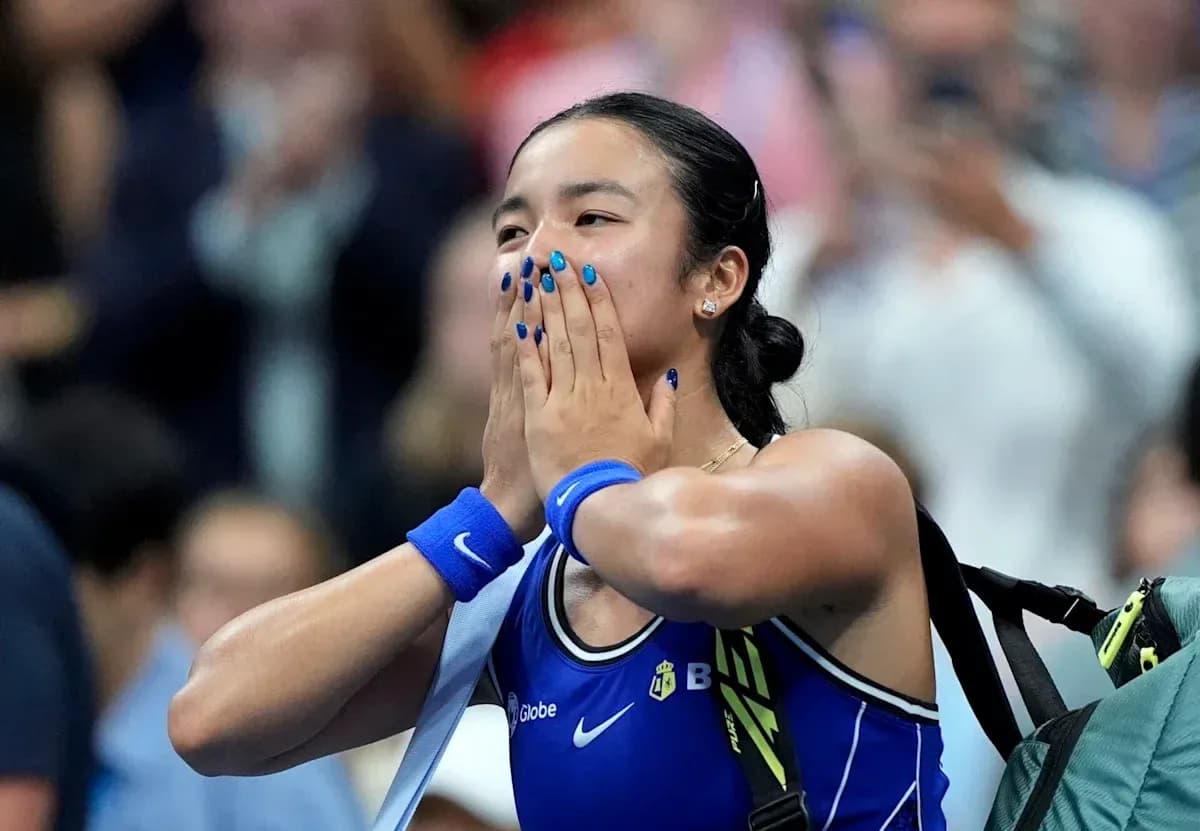
On Arthur Ashe Stadium, Linda Noskova walked off with nothing to show on the scoreboard, yet everything about her performance against Aryna Sabalenka screamed arrival. The Czech pushed the world No 1 to the brink in a three-hour epic, led by a break in the deciding set, held the upper hand in the match tiebreak – and still lost.
The scoreline read 7-6(1) 3-6 7-6(10-7) to Sabalenka, the two-time defending champion. It barely hinted at the brutality of it.
Noskova, just 21, had the Wimbledon champion on the ropes. She traded power with power, refused to flinch when Sabalenka roared back, and stood within a handful of points of the biggest win of her career. Then the margins turned on her.
There was no self-pity in her reaction, only a decision to step away from the hurt.
“I’m going to stay for, like, three more days. I’m going to get drunk and forget about this, I guess,” she told reporters with a laugh. “I’m old enough to do that, thankfully. I love New York. I have so many places I want to go. I have a lot of great friends here. They will show me around and, you know, I will forget about it hopefully in the next couple of hours.”
There is plenty she might want to erase. Time and again she shoved Sabalenka to the edge, only to see the top seed claw her way back, especially in that chaotic third set and the nerve-shredding tiebreak that decided it.
Sabalenka, though, has built a reputation on surviving these storms. She needed every ounce of it.
“What a battle. What an incredible player she is and I’m speechless right now because I was pushing myself to the limit in this match, especially in the third set,” Sabalenka said afterwards. “I honestly thought that that’s it, the match is over and probably that’s what helped me to kind of like, I don’t know, feel loose and just go after my shots.”
The release showed. Playing with nothing left to protect, Sabalenka swung freely and finished with a flourish, sealing victory with a second-serve ace to turn back the Wimbledon champion and reach the semi-finals at Flushing Meadows for the sixth straight year.
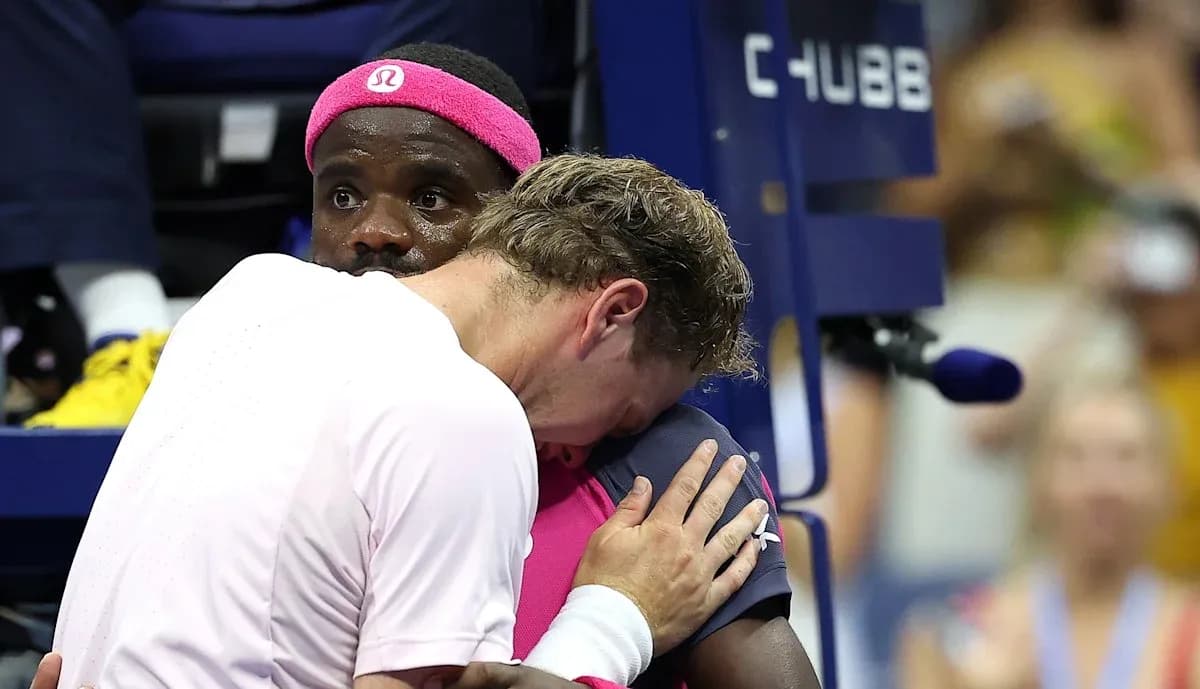
While Sabalenka escaped, Arthur Ashe had already been treated to another marathon, an all-American clash that veered from procession to crisis and back again.
Alex Michelsen, 22 and fearless, had Frances Tiafoe on the ropes. He raced through the first two sets, handled the occasion with startling composure, and dropped the third only 7-5 as Tiafoe, the No 11 seed, finally found some resistance.
The upset seemed to be gathering pace. Michelsen was “absolutely cruising”, the match tilting heavily in his favour. Then the temperature changed.
Early in the fourth set, Michelsen was broken. The cool exterior cracked. During his service game he turned and let fly at a fan behind him. A couple of points later, the racquet hit the court, his frustration spilling out as he barked towards his box.
“First real visible signs of irritation from Michelsen,” Jim Courier noted on the broadcast. “He has been pretty buttoned up, with only positive emotion coming out of him, until now.”
Across the net, Tiafoe sensed an opening and surged. From 3-0 down in the deciding set, he clawed his way back to 3-3, threatening to flip the match on its head. Michelsen, who had looked ready to pull off a statement win, suddenly found himself fighting to stem the bleeding.
He did, briefly. Serving at 3-3, he dug deep to hold, just as Tiafoe loomed for a crucial break.
The swings were relentless. Michelsen had gone 3-0 up in that final set, on the verge of finishing the job. In the very next game, Tiafoe slipped to 15-30, staring at the possibility of a double break and a near-certain exit. Courier called it “a crisis moment”. Tiafoe stared it down, held serve and kept the comeback alive.
“We’re closing in on four hours in this match,” came the call from the commentary box, as Nick Lester summed up the mood: “He’s hanging in there with everything he’s got now.”
Tiafoe did more than hang in. He broke back, turning what had looked like Michelsen’s breakthrough into a test of the youngster’s nerve and stamina. What had started as a cruise had become a scrap.
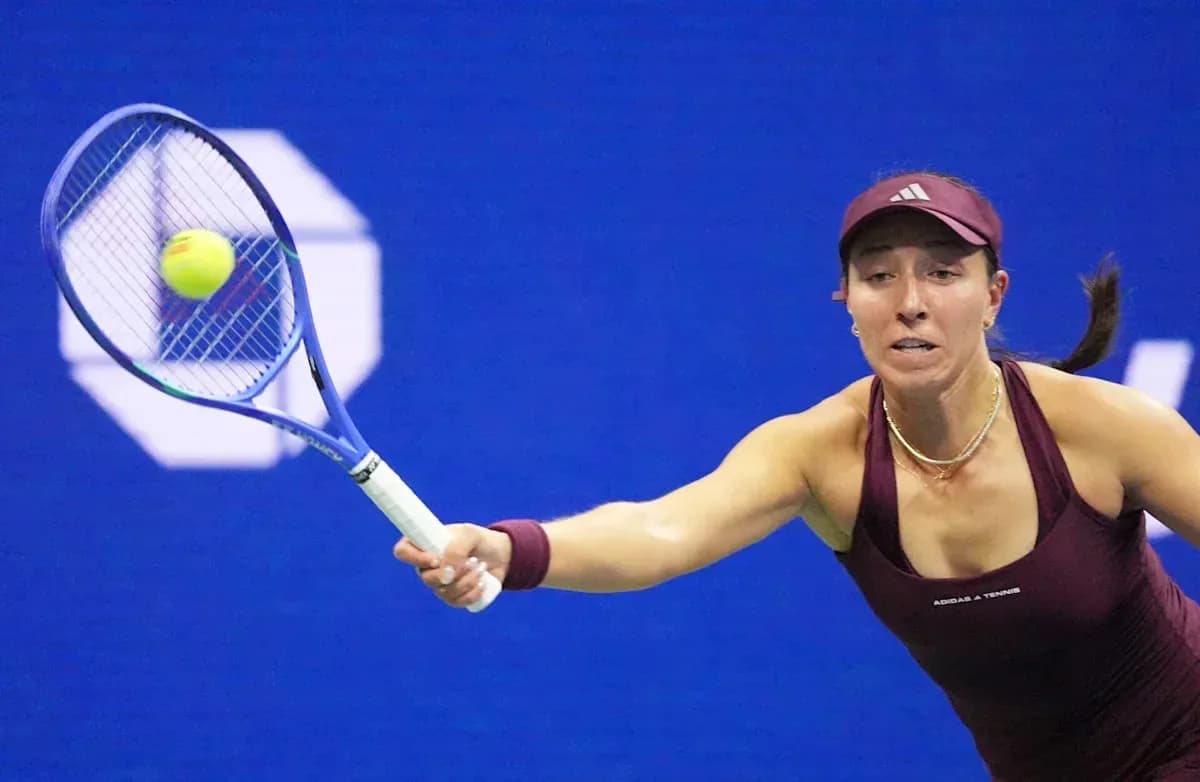
All this unfolded in the afternoon slot on Ashe, with the clock nudging past 6.35pm in New York and the night session still to come. Stadium staff faced a race of their own: clear out a drained crowd, reset the arena, and welcome in fresh legs and fresh voices for Jessica Pegula v Emma Navarro, followed by Ben Shelton against Carlos Alcaraz.
Both of those matches carry their own promise of distance, especially if Shelton lights up the court the way he can.
In New York, the battles are measured in tiebreaks, service holds and four-hour marathons under lights. In Kyiv, the damage is measured in shattered courts and lost lives. Tennis moves on to its next round, its next upset, its next comeback. For Svitolina and Ukraine’s athletes, the fight stretches far beyond the baselines.