.svg&w=384&q=75 "logo")
Elena Rybakina Eyes World No.1 After Dominating Naomi Osaka
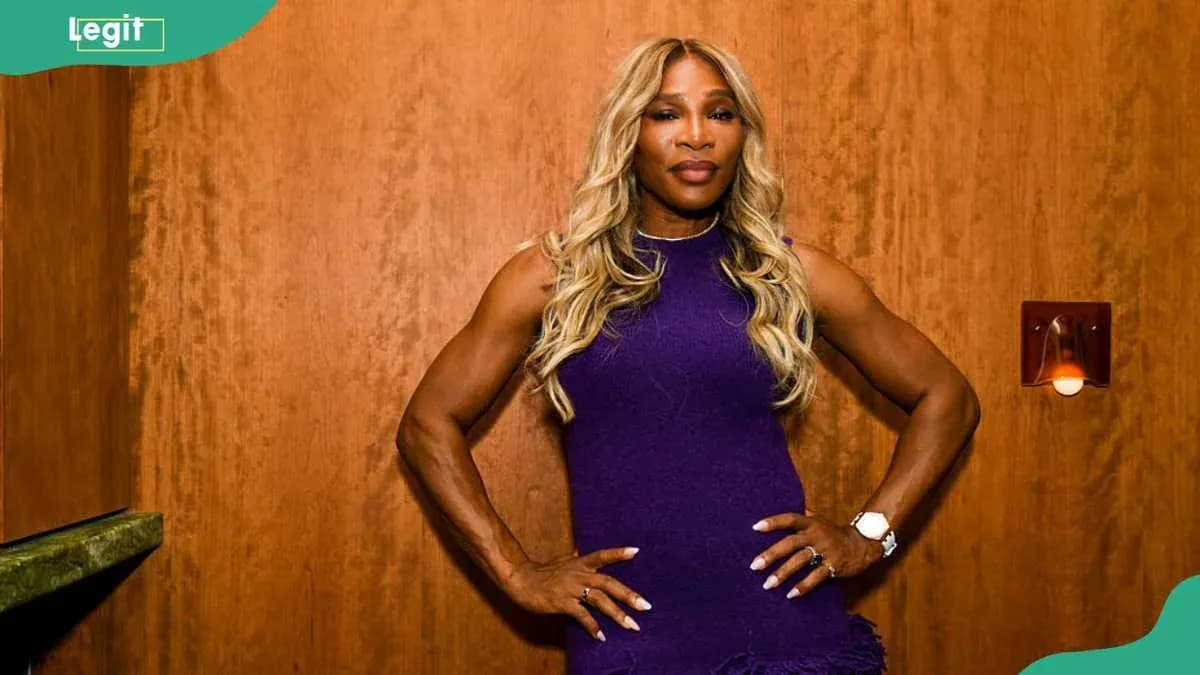
Elena Rybakina is one win away from the summit of women’s tennis, and she’s not pretending otherwise.
On a brisk day at Flushing Meadows, the world No.2 dismantled Naomi Osaka 6-1, 6-4 in just 66 minutes, a performance that pushed her to the brink of overtaking Aryna Sabalenka and claiming the No.1 ranking. No coy deflections, no stock answers. Rybakina knows exactly what is at stake.
“Of course I want it,” she said when asked about becoming world No.1. “I don’t know anyone that wouldn’t wish this. That is definitely one of my goals. If I start well as I did today, I think I have all the chances to become world No.1. I’ll try my best and hopefully, it will go my way.”
On this evidence, it just might.
Rybakina ruthless, Osaka out
Osaka’s US Open campaign is over for 2026, ended not by a marathon or a collapse, but by a superior player in full command of her weapons. The Japanese star never truly found the answers to unsettle Rybakina’s heavy, accurate game.
The first set was brutal. Rybakina tore through it 6-1, her serve setting the tone and her groundstrokes pinning Osaka behind the baseline. The crowd tried to lift Osaka, but the scoreboard kept sliding away from her.
There was a flicker of resistance. Osaka showed enough spirit to keep the second set competitive, pushing and probing to avoid a straight-sets exit and, at times, hinting at the kind of fight that could drag the contest into a decider.
But every time she threatened to claw back momentum, Rybakina’s serve shut the door. The Kazakh’s delivery was the defining feature of the match, a constant platform that Osaka could never quite disrupt. The second seed closed it out 6-4, her authority never really in doubt.
That display alone was enough for Australian great Jelena Dokic to publicly back Rybakina as the favourite for the US title, a view that suddenly feels hard to argue with.
Next up: a quarter-final against Qinwen Zheng, the woman who has just sent a six-time major champion home.
Zheng stuns Świątek with towering comeback
Earlier in the day, Iga Świątek walked onto court looking every bit the established force of the women’s game. She left it having been overrun by one of its most dangerous rising threats.
Qinwen Zheng, already an Olympic gold medallist after beating Świątek in 2024, produced a remarkable turnaround to win 7-5, 6-3 and knock the Pole out of the US Open in straight sets.
Świątek started like a world-beater. She surged to a 5-0 lead in the opening set, dictating rallies, reading Zheng’s patterns, and appearing on course for a routine passage. Then the match turned on its head.
Point by point, Zheng clawed her way back. The comeback from 0-5 to 7-5 was not a fluke, and she said as much.
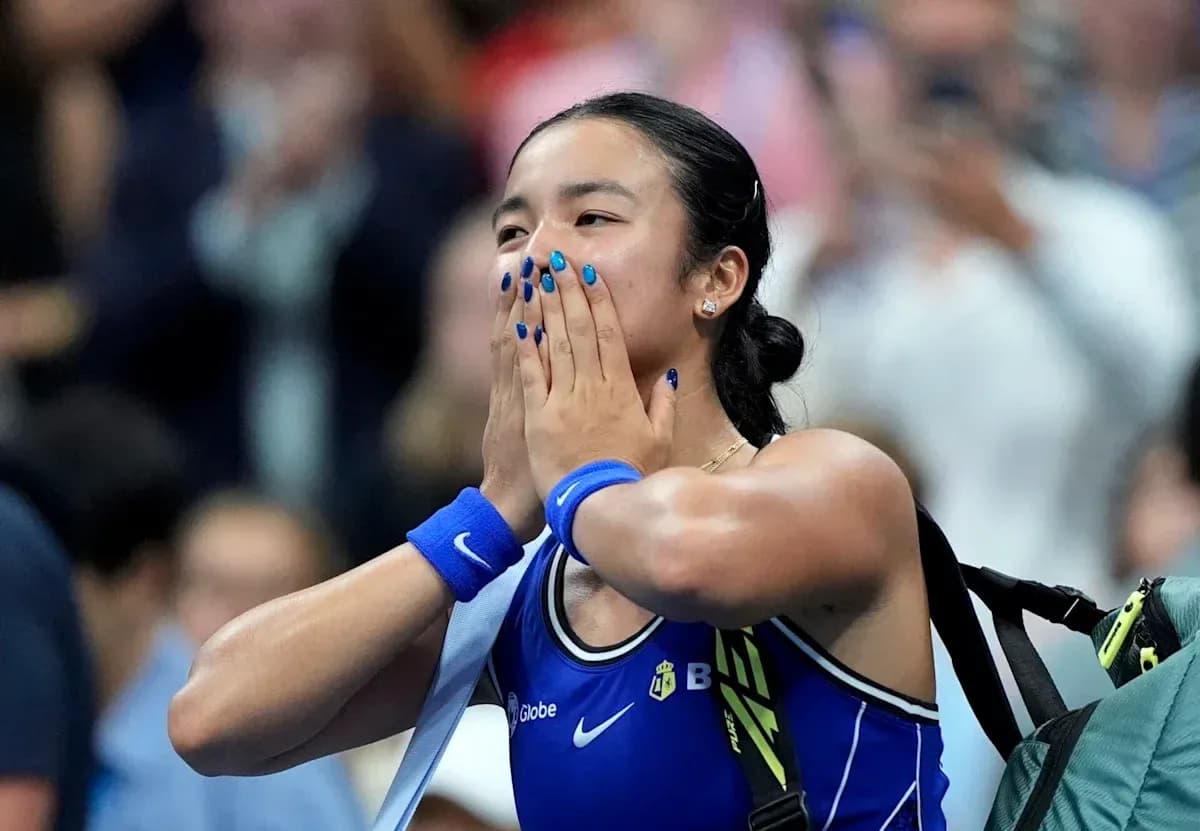
“I guess to come back from 0-5 is not lucky, that’s all I can say,” the 23-year-old said. “I didn’t start the match so well, but little by little I found my rhythm on this centre court because it’s been a long, long time since I’ve played here. I haven’t beaten a top-10 player in a while. The more matches I play, the more rhythm I get. I just feel really pumped and ready for my next match.”
The second set only confirmed the shift. Zheng dictated with growing confidence, her ball-striking forcing Świątek into defensive positions she could not escape often enough. The 7-5, 6-3 scoreline captured not just an upset, but a statement.
Now she faces the in-form Rybakina in a quarter-final that carries both ranking weight and psychological edge. Zheng has already shown she can take down the sport’s giants. Rybakina is trying to become one.
A men’s draw subplot
On the men’s side, Learner Tien and Karen Khachanov are locked into their own battle in the singles draw, with a clear prize on the line. The winner earns a quarter-final meeting with Alexander Blockx, another marker in a section of the tournament quietly building its own intrigue.
Tennis vs the “zoo”: Wimbledon draws a line
Away from the baseline exchanges, another storyline has cut through the noise in New York: the behaviour in the stands.
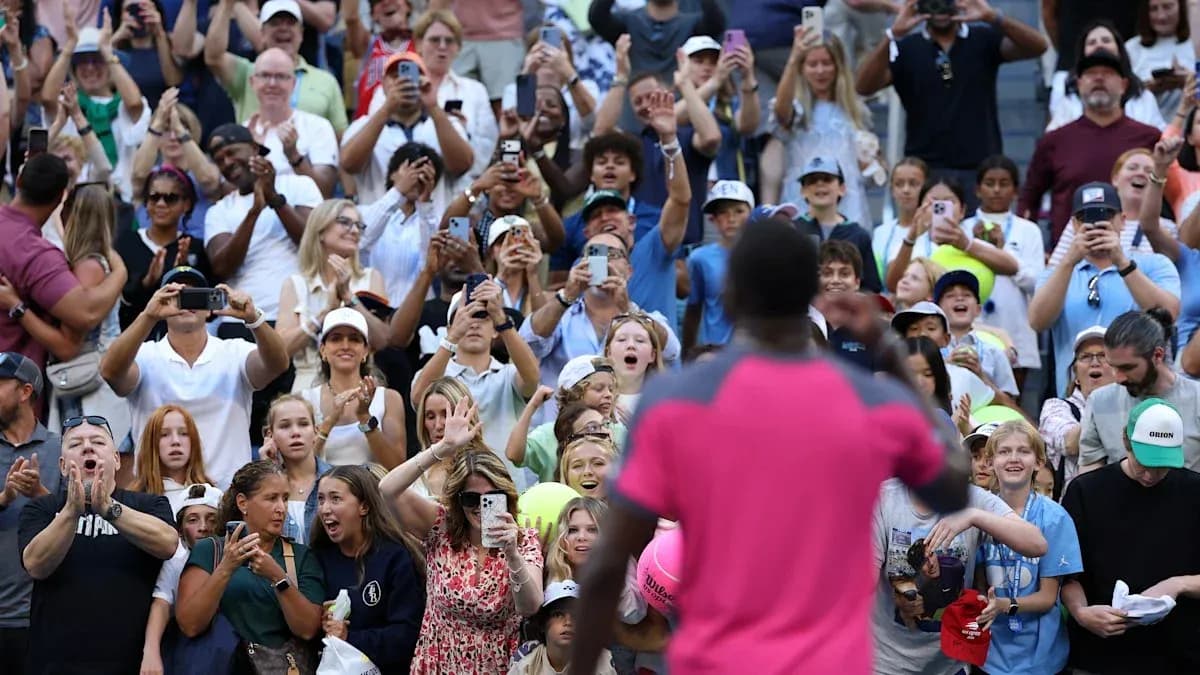
The US Open has wrestled with repeated interruptions from influencers and content creators using bright lights and phones during play, prompting complaints from players and umpires. Coco Gauff and Naomi Osaka have both spoken about the need for spectators—new and old—to respect tennis etiquette, even as the sport welcomes a broader audience.
Big screens around the venue now flash messages reminding fans to avoid disruptive filming, an attempt to calm tensions between the spectacle on court and the content being captured in the stands.
Not everyone is convinced it’s working. French veteran Adrian Mannarino did not sugarcoat his view, describing the atmosphere as turning “into a bit of a zoo.”
“People are allowed to move around in the crowd during points,” he said after a doubles defeat. “The tournament puts up with it ... I don’t know if it’s the best thing for tennis in general.”
Wimbledon has been watching—and has already decided it wants no part of that scene.
The All England Club has confirmed it has no plans to open its doors to an influx of influencers next year. Ring lights will be banned from the grounds, with organisers determined to prevent the kind of flash-heavy disruptions seen at Flushing Meadows. Content creators are not expected to receive accreditation either.
Where New York is testing the limits of tennis as a backdrop to social media, Wimbledon is drawing a hard line in defence of its traditions.
In the middle of all this noise, one thing cuts through clearly: Elena Rybakina stands one match away from the No.1 ranking, with Qinwen Zheng charging into her path. The sport can argue about its future off the court. On it, the battle for the top spot is about to get very real.