.svg&w=384&q=75 "logo")
Cricket NSW Challenges Cricket Australia on Big Bash Sell-Off
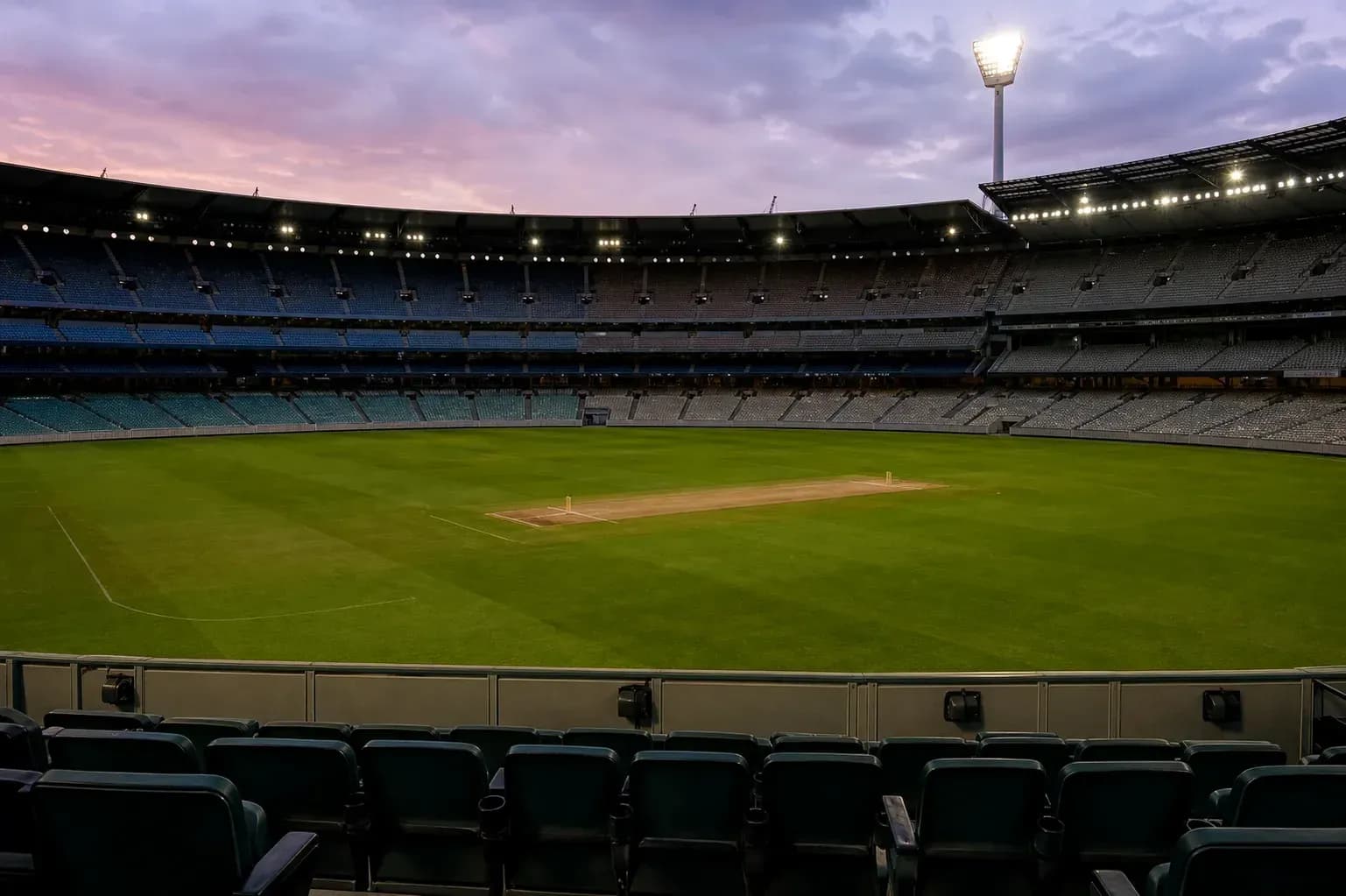
Australian cricket has a new battleground, and this one isn’t marked out in white lines.
Cricket NSW has gone head‑to‑head with Cricket Australia over a plan to invite private investors into the Big Bash leagues, warning the move could weaken the sport strategically and financially across both the state and the country.
At the heart of the dispute is a simple question: who should profit from Australian cricket’s fastest-growing product — and at what cost to the grassroots?
Big Bash, Big Money, Big Risk
On Tuesday, Cricket Australia confirmed its intention to open the doors to private capital in its Twenty20 franchise competitions. The first step is expected to be a sale of the Melbourne Renegades, with a model that has previously been reported as allowing up to 49% stakes in Big Bash clubs to be sold.
For some, it looks like modernisation. For Cricket NSW, it looks like a threat.
Cricket NSW owns both Sydney Sixers and Sydney Thunder. Revenue from those clubs, it says, doesn’t just sit on a balance sheet — it flows back into the game, used to boost participation and support programs that get kids with a bat in their hands for the first time.
Divert that money to external investors, the organisation argues, and the impact will be felt far from the bright lights of the Big Bash. Fewer dollars for community programs. Less support for local clubs. Long-term damage to the game’s base.
In their view, the glamour end of the sport risks cannibalising the grassroots that sustain it.
Process Under Fire
This isn’t just a fight about money. It’s also a fight about how the decision was made.
Cricket NSW has made it clear it is unhappy with the process that led to Cricket Australia’s announcement. The state body says it formally raised its concerns, put forward an alternative plan to strengthen the Big Bash, and backed its stance with advice from external experts who flagged what it calls “significant risks” in the investment model.
Queensland had already been reported as another state opposed to the proposal. That resistance now looks more organised, more entrenched, and harder for Cricket Australia to brush aside.
The disagreement cuts to the core of governance in Australian cricket: who sets the direction, and how much say the states really have when the national body decides to chase new money.
Cricket Australia’s Pitch: Private Capital, Public Benefit
Cricket Australia, though, is not backing away.
Chair Mike Baird has framed the move as a long-term play to secure the game’s future. Opening the Big Bash to private investors, he says, should strengthen cricket over time, speed up its development, and still protect investment in community sport, player pathways, and the elite game.
According to Baird, the decision followed months of analysis, discussion, and cooperation. From Cricket Australia’s perspective, this is not a rushed cash grab, but a considered strategy to keep pace in a global T20 market where private ownership is rapidly becoming the norm.
The ambition is clear: Cricket Australia hopes the Melbourne Renegades will start the 2027/28 season under new ownership. That timeline underlines how serious the governing body is about pushing the plan through.
Two competing visions now sit in stark contrast. One sees private money as the engine for a stronger, faster Big Bash that can fund the wider game. The other fears that once the door to outside investors opens, the grassroots will be the first to feel the squeeze.
Australian cricket has weathered plenty of storms on the field. The real test now may come in the boardrooms, where the future shape of the Big Bash — and who it ultimately serves — is being decided.