.svg&w=384&q=75 "logo")
Cricket Australia's Private Equity Move Sparks Division Over Big Bash Future
Cricket Australia’s private equity play has landed with a thud in Sydney.
A day after Cricket Australia (CA) confirmed it would open the Big Bash leagues to private investment, starting with the sale of the Melbourne Renegades, Cricket NSW (CNSW) broke ranks publicly, warning the move could leave the game in Australia “strategically and financially worse off”.
The line is stark. So is the split.
A nation divided over the Big Bash’s future
CA’s announcement on Tuesday ended months of speculation about whether it would invite outside money into its T20 competitions. The model on the table includes selling up to 49 per cent stakes in BBL franchises, with the Renegades the first cab off the rank and a target of new ownership by the 2027/28 season.
Behind the scenes, not everyone was on board. State associations in NSW and Queensland had already been reported as opposed to the plan. On Wednesday, CNSW went public.
In a strongly worded statement, CNSW said it was “disappointed” CA had pushed ahead “without alignment across Australian cricket”, and warned that the decision “risks leaving cricket in NSW and Australia strategically and financially worse off, with direct consequences for our ability to invest in grassroots cricket”.
That’s the fault line: who gets the profits, and who pays for the base of the pyramid.
Sixers and Thunder at the heart of the fight
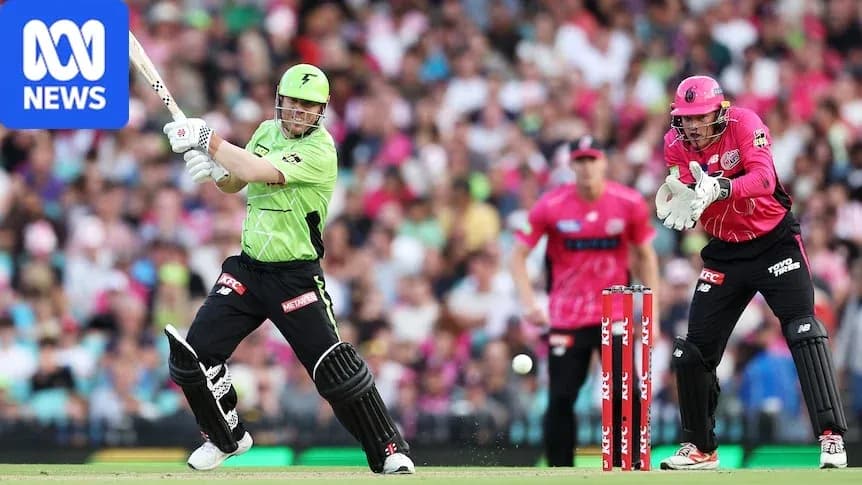
CNSW owns two of the BBL’s most recognisable brands, the Sydney Sixers and Sydney Thunder. Profits from those clubs, the board stressed, are not siphoned off to shareholders; they are ploughed back into the game.
“The profits from our successful and healthy Big Bash clubs – the Sydney Sixers and Sydney Thunder – are reinvested into growing participation in cricket,” the statement said.
From CNSW’s perspective, the new model threatens that cycle. Bring in private investors, and suddenly a slice of that money heads out of the sport and into external hands.
“Yesterday’s announcement threatens this system,” CNSW warned. “The redistribution of profits to external investors reduces our ability to invest in community cricket, creating long-term impacts at all levels.”
This is not just a turf war over brand control. It is a battle over who funds the next generation of players turning up with plastic bats in suburban parks.
Process under fire
CNSW did not limit its criticism to the outcome. It also took aim at how CA arrived there.
“The Cricket NSW board is also disappointed by the process leading to this decision,” it said, revealing it had “raised concerns directly with Cricket Australia, proposed an alternative pathway to strengthen the Big Bash, and highlighted significant risks within the proposal, informed by high-quality external advice.”
In other words: we argued, we offered another way, we brought expert analysis – and we were overruled.
That tension between the national body and its largest state association now sits squarely in public view.
CA’s big bet
CA, for its part, insists the move is about survival and growth in a rapidly commercialising global T20 market.
On Tuesday, CA chair Mike Baird framed private investment as a deliberate, strategic step.
“By opening the door to private investment in the Big Bash leagues, Cricket Australia is taking a deliberate step to strengthen and secure the long-term future of the game, accelerate growth and ensuring we can keep investing in community cricket and grassroots participation, domestic and international pathways and the elite level,” he said.
Baird described it as a “significant decision” shaped by “an enormous amount of analysis, discussion and collaboration over many months”, and argued it was “the best way to secure cricket’s future in this country, strengthen the Big Bash and protect our standing on the global stage.”
The message from Jolimont is clear: this is about keeping pace with a world where T20 leagues are fuelled by private money and global investors.
From Sydney, the message is just as clear: be careful what you sell, and who you sell it to.
A model under scrutiny
The immediate flashpoint is the Renegades sale and the broader 49 per cent stake model. The deeper question is what happens to the Big Bash’s role as a funding engine for the rest of Australian cricket.
CNSW sees itself as a custodian, not a deal-maker. “We see our role at Cricket NSW, alongside Cricket Australia and all states, as custodians of our game,” its statement said. “Our purpose is to inspire everyone to play and love cricket. This starts with growing participation in our sport, ultimately producing great players for our W/BBL clubs, NSW and Australia.”
That custodianship argument clashes directly with the logic of private equity. One side talks about reinvesting every dollar back into community programs, coaching, and junior pathways. The other talks about unlocking new capital, competing globally, and expanding the commercial footprint.
CA is betting that private money will enlarge the pie. CNSW fears the slices that matter most – grassroots and participation – will shrink.
The Renegades may be the first to go under the hammer, but the real contest is over who controls the soul, and the funding, of Australian cricket in the decade to come.