.svg&w=384&q=75 "logo")
Cricket Australia Opens Big Bash to Private Investment
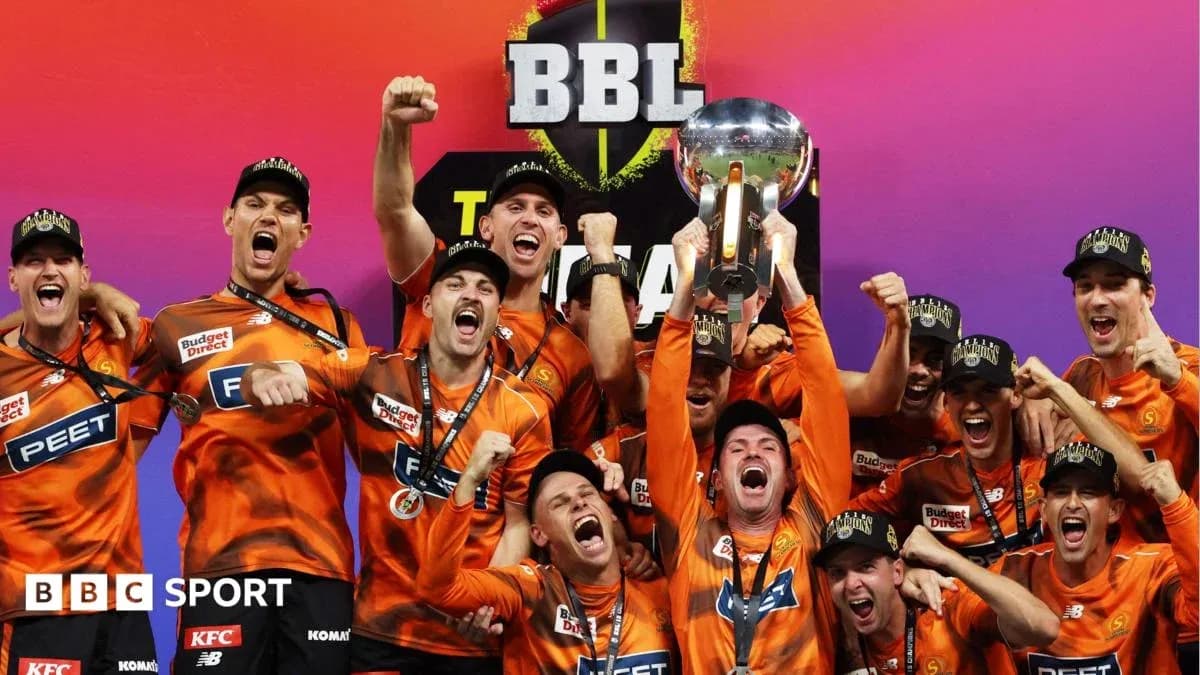
Cricket Australia has pushed the Big Bash into a new era, opening the door to private investment while handing the states the final say on whether their clubs are sold.
The shift ends months of internal wrangling over how to modernise the Big Bash League (BBL) and Women’s Big Bash League (WBBL) without tearing at the fabric of Australian cricket’s state-based model. The compromise: a “self-determination model” that lets each state decide if, when and how its club heads to market.
Renegades first on the block
The first test case is already on the table. Bids are now being invited for 100% of the licence for the Melbourne Renegades, with the aim of the club playing under new ownership by the 2027-28 season.
Cricket Australia will run the Renegades in a caretaker capacity in the meantime, and their sale will not affect the 2026-27 BBL or WBBL campaigns. On the field, the club keeps turning up as usual. Off it, the ground is shifting.
This is no half-step. A full sale of the Renegades licence signals how far Cricket Australia is prepared to go to unlock capital while trying to keep control of the broader ecosystem.
States split, model bends
Cricket Australia had originally pushed for a league-wide sale of BBL and WBBL franchises. That plan ran into stiff resistance from New South Wales and Queensland, whose associations baulked at a blanket approach and the loss of autonomy it implied.
So the model bent rather than broke. Under self-determination, each state can choose its own path: embrace private investors now, wait and watch, or hold the line.
Early indications show a clear divide. Hobart Hurricanes, Melbourne Stars and Perth Scorchers are understood to be open to private investment. The two Sydney clubs – Sixers and Thunder – along with Brisbane Heat and Adelaide Strikers are far more cautious, unwilling for now to commit to selling stakes.
The new framework gives them time. If the Renegades experiment pays off, the pressure to follow may become harder to resist.
Inspired by The Hundred’s windfall
The move comes in the slipstream of the England and Wales Cricket Board’s decision to sell stakes in The Hundred’s eight teams last year, a deal that generated more than £500m and valued the competition’s franchises at over £975m collectively.
Those numbers did not go unnoticed in Jolimont. BBC Sport understands Cricket Australia officials met some of the owners involved in The Hundred during the recent northern summer, and several of those investors have already expressed interest in the Big Bash.
The template is clear: use outside money to supercharge a domestic T20 product while keeping the governing body in control of the game’s levers.
Control retained where it matters
Cricket Australia is keen to stress that opening the door to private capital does not mean handing over the keys to the sport.
The governing body will retain control of international scheduling, player availability, salary caps and media rights. It will also hold veto power over potential investors and set a reserve price for the Renegades sale.
That guardrail is central to the pitch. Private owners may shape branding, fan engagement and commercial strategy, but the national body intends to dictate when stars are available, how much clubs can spend and how the competition fits into the wider calendar.
Cricket Australia chair Mike Baird framed the decision as a strategic play, not a fire sale. He said the governing body and state associations were united in their commitment to invest in and grow both the BBL and WBBL and to advance the interests of cricket at every level.
By opening the Big Bash to private investment, Baird argued, Cricket Australia can strengthen and secure the long-term future of the game. The injection of capital, he said, can accelerate growth and help sustain investment in community cricket, grassroots participation, domestic and international pathways and the elite level.
Money, power and an uneasy backdrop
All of this unfolds against a familiar modern backdrop: a pay dispute. Cricket Australia confirmed it is continuing “constructive discussions” with the Australian Cricketers’ Association over an ongoing disagreement on player remuneration.
The timing is striking. As the governing body invites private bidders into one of its flagship competitions, it is still negotiating how much of the game’s revenue flows to the players who fill those leagues with value.
For now, the Renegades are the litmus test. If the sale lands strongly, if crowds hold and broadcast interest deepens, the self-determination model could quickly turn from compromise to blueprint.
If it stumbles, the Big Bash faces a sharper question: in a global T20 economy awash with private money, how long can Australian cricket afford to stand still?