.svg&w=384&q=75 "logo")
Coco Gauff's Remarkable Comeback in US Open Semi-Final
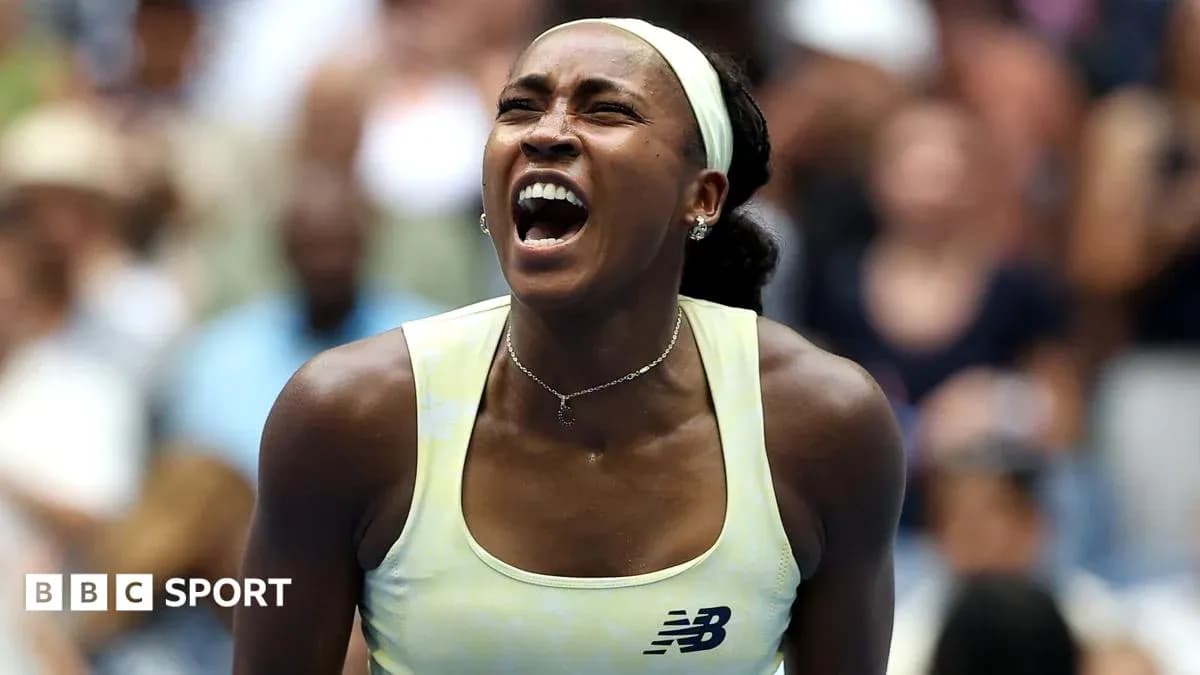
Coco Gauff stared down the exit, blinked twice, and refused to walk through it.
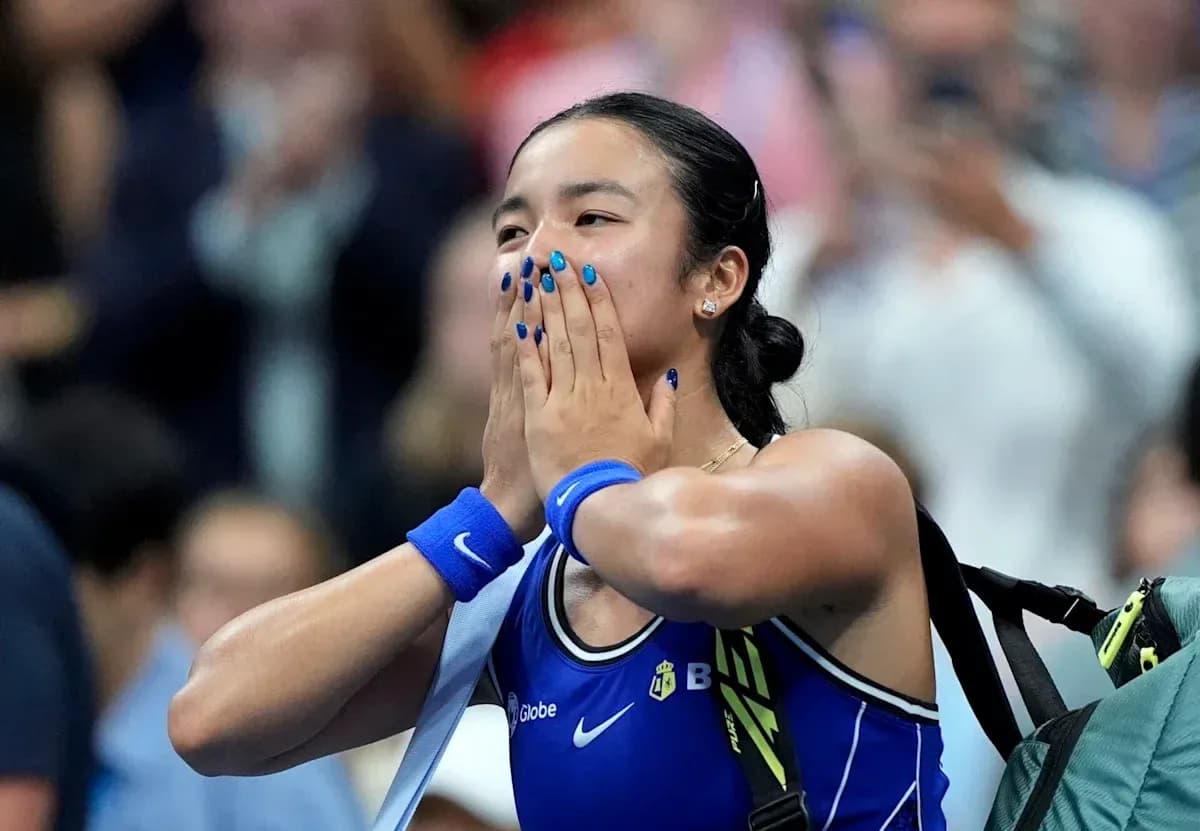
Two match points down. A set down. Outplayed, outpaced, and, for 26 brutal minutes, out of answers against Mirra Andreeva. Yet by the end, it was Gauff standing in Arthur Ashe Stadium, arms raised, having dragged herself into another US Open semi-final with the kind of stubborn, snarling resilience that has come to define her.
The defending champion beat the 17-year-old Russian 2-6 7-6 (9-7) 6-2, turning a match that looked like a rout into a test of nerve and will. The scoreline only hints at the chaos.
Blown away, then digging in
The opening set was a mismatch. Andreeva walked onto Ashe as if it were her home court and tore into Gauff’s serve, taking the ball early, rushing the American, and breaking three times in a 26-minute blur. Gauff’s forehand leaked errors, her serve sat up, and the fourth seed looked rattled.
The crowd tried to lift her. Andreeva silenced them.
Gauff needed something to cling to, some foothold in the match. She found it not in fluency, but in sheer refusal to let go. The second set was ragged, tense, and full of missed chances on both sides. Twice Gauff went a break up. Twice Andreeva reeled her back in.
The rallies grew longer, the shot-making less clean, the stakes higher. It stopped being about rhythm and started being about resolve.
The pressure finally told in the tie-break. Gauff stared down those two match points, the stadium holding its breath, and played bold, front-foot tennis when it mattered most. She survived a 16-point breaker, 9-7, and the roar when she levelled the match felt like a release.
Tiafoe, the crowd, and a champion’s instinct
When Gauff walked to her chair after the second set, she carried more than just momentum. She carried a memory.
“At the end of the first set I was thinking about Frances and how he came back yesterday,” she said, referencing Frances Tiafoe’s five-set escape against Alex Michelsen on Tuesday night. If he could ride the crowd and flip a match that seemed gone, why couldn’t she?
From there, the match turned into a mental battle. Andreeva, who had been fearless early, suddenly looked younger. Gauff, who had been searching for her game, suddenly looked like a two-time major champion.
Roared on by a partisan New York crowd desperate to keep their defending champion in the draw, Gauff tightened the screws. She cleaned up the errors, found more first serves, and began to dictate with her backhand. The decider, unlike the chaos that preceded it, felt controlled. Gauff broke early, broke again, and never let Andreeva back in.
What began as a rout ended as a statement. A 2-6 7-6 (9-7) 6-2 comeback, inspired by a compatriot’s fight and powered by her own refusal to leave the court with regrets.
Progression to the last four gives Gauff back-to-back Grand Slam semi-finals and her first in New York since lifting the trophy in 2023. For a player who already owns two majors, it is another brick in a rapidly growing legacy.
Rybakina waits – and history builds
Waiting for her in the semi-final is the incoming world number one, Elena Rybakina, who had to walk her own tightrope earlier in the day.
The second seed dropped a set for the first time this tournament against Zheng Qinwen, losing the opener 6-3 as Zheng’s power and depth pushed her onto the back foot. When Zheng earned a break point in the decider, the upset looked very real.
Rybakina slammed that door shut. She responded with cold, precise aggression, taking the second set 6-1 and edging the third 6-4. It was not smooth, but it was authoritative, the kind of performance that underlines why she will rise to number one.
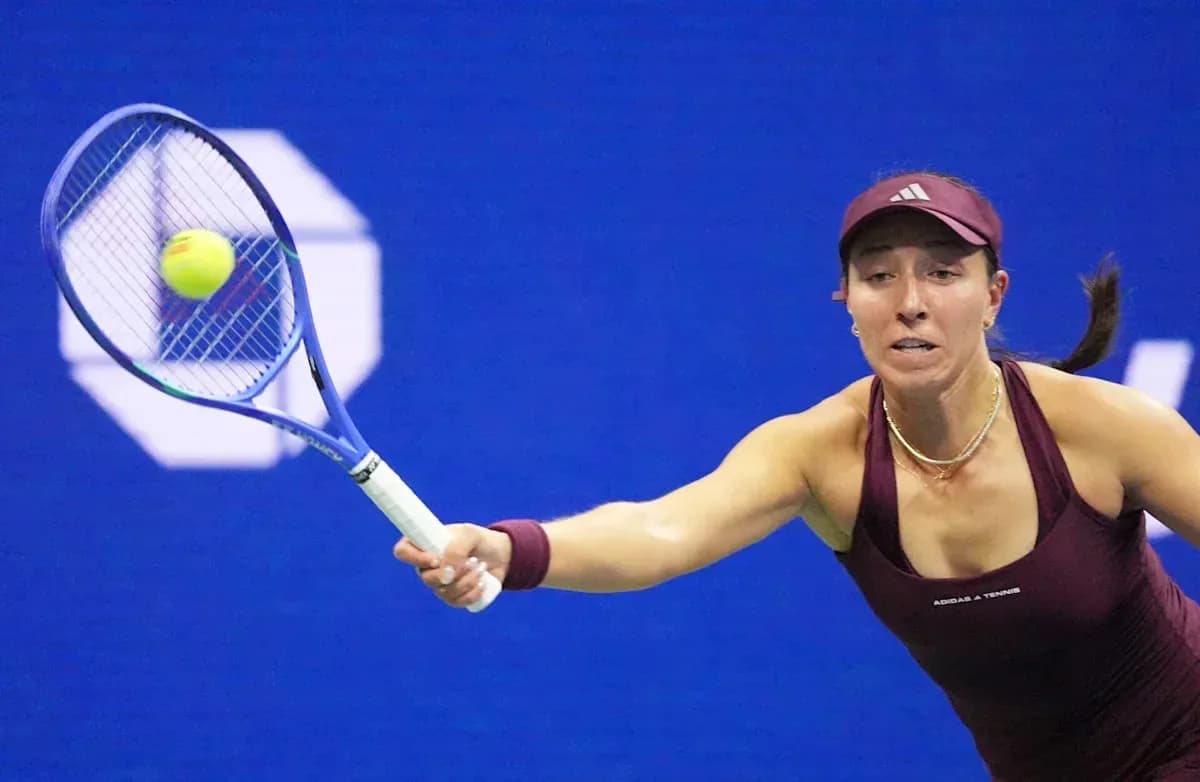
Her win, combined with those of Aryna Sabalenka and Jessica Pegula on Tuesday, completes a rare picture: all of the top four seeds into the semi-finals of a women’s major for the first time since Wimbledon in 2009.
Now comes the collision.
Gauff, the defending champion who just proved she can suffer and survive. Rybakina, the soon-to-be world number one, who has been quietly imposing her game on the draw. A partisan New York crowd on one side. A new ranking throne on the other.
The margins are shrinking at the top of the women’s game. In this cauldron, who blinks first?