.svg&w=384&q=75 "logo")
Coco Gauff Advances in US Open Amidst American Upsets
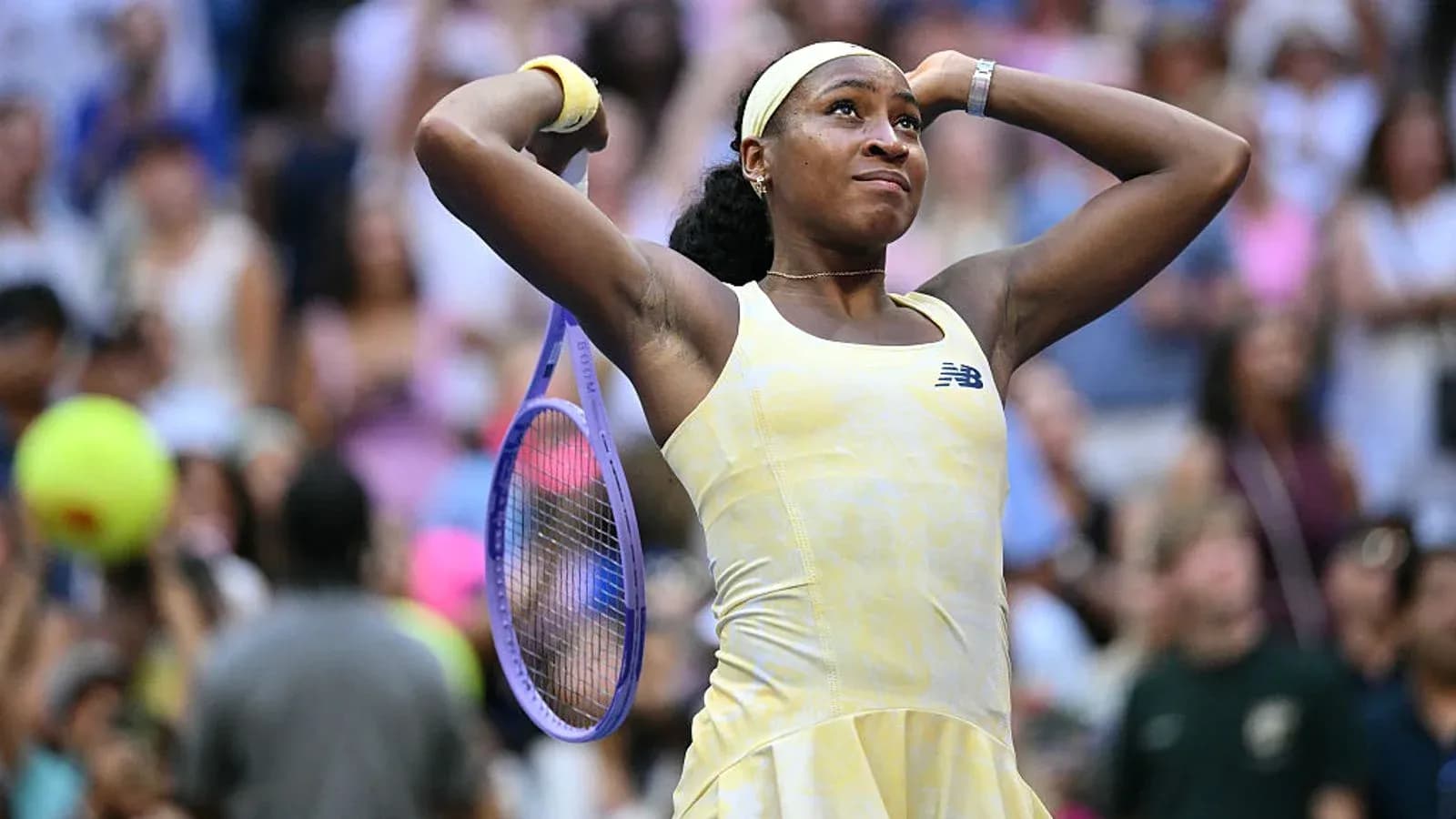
Coco Gauff steadied a rattled American campaign at the US Open, grinding her way into the last 16 on a day when some of the home nation’s biggest hopes fell hard.
The defending champion was nowhere near her fluent best against world No 40 Cristina Bucsa. She didn’t need to be. She needed to be stubborn.
Gauff won 6-3 6-4, a straight-sets scoreline that looked cleaner than the match felt. The rhythm never truly came, the errors crept in, and Bucsa’s changes of pace kept tugging Gauff out of her comfort zone. But when she slipped behind, she adjusted, hitting through the ball with more conviction and trusting her power to punch through the resistance.
“I need to accelerate through my shots,” she told herself after falling behind a break, and the shift was obvious. Bucsa’s tricks slowed; Gauff’s intent did not. On a day when the American draw was wobbling, she refused to join the exodus.
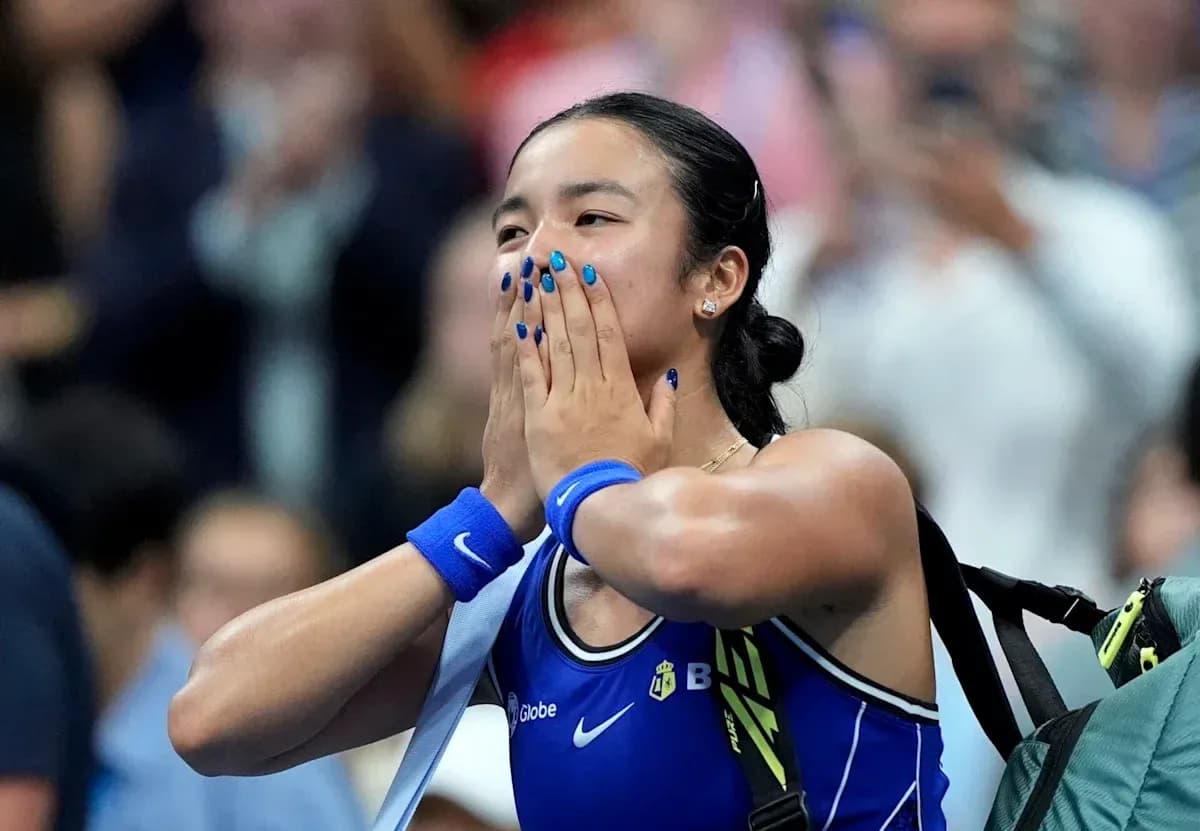
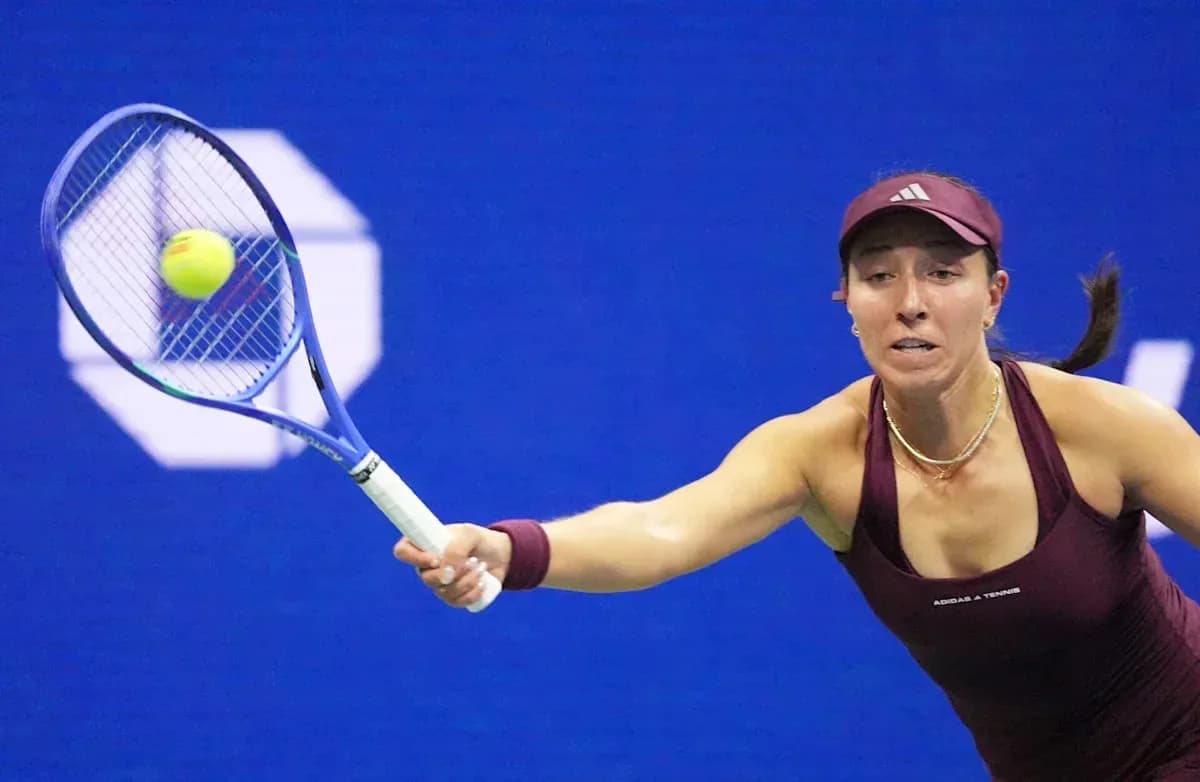
The 22-year-old now waits for the winner of an all-teen clash between compatriot Iva Jovic and Alexandra Eala of the Philippines, with a quarter-final place on the line. It is the kind of opportunity a defending champion is expected to seize. The kind of stage she now seems to own.
American men’s hopes take a hit
Around her, though, the US charge in the men’s draw sagged.
Taylor Fritz, the ninth seed and a former runner-up in New York, looked to be strolling into the fourth round. Two sets up on Federico Cerundolo, no sets dropped all week, the script felt familiar: the American heavyweight moving efficiently through the early rounds, ready to anchor a deep run.
Then the match turned messy, and Fritz went with it.
Cerundolo, the surprise champion at Queen’s Club earlier this summer, refused to go quietly. He tightened up his own game, kept asking the question, and watched as Fritz’s level dipped. The rallies grew scrappier, the errors more frequent, and the belief on the other side of the net grew.
From two sets down, the Argentine clawed his way back to a 3-6 4-6 6-3 6-4 6-4 win, silencing a crowd that had assumed the job was done. Fritz, 28 and still searching for a defining Slam run, walked off knowing this one had been in his hands.
The defeat leaves the host nation still chasing its first men’s singles champion at Flushing Meadows since Andy Roddick beat Juan Carlos Ferrero in 2003. That wait stretches on.
Attention now tilts towards Tommy Paul, the 20th seed, who faces Carlos Alcaraz in what shapes as the defending champion’s first real examination since returning from injury. Paul knows the scale of the task.
“I think I played Carlos more than anybody on tour, for me, which is kind of crazy,” he said. “We’ve had some good matches. But he’s the test, him and [Jannik] Sinner. They have been playing great, and I guess Carlos we haven’t really seen too much, but he’s obviously doing pretty well coming right back to competition.”
Elsewhere in the men’s draw, Belgian 28th seed Alexander Blockx delivered one of the shocks of the day, ousting Italian fifth seed Flavio Cobolli 6-7 (4-7) 6-3 6-0 6-3. Blockx will now meet Cerundolo in the fourth round, a section of the draw suddenly wide open.
Keys’ nightmare collapse
If Fritz’s exit stung, Madison Keys’ defeat cut even deeper.
The 2017 US Open runner-up led Qinwen Zheng 5-0 in the deciding set. On this court, in this city, with that scoreboard, the finish line should have been a formality. Instead, it became a cliff edge.
Zheng refused to fold, chipping away at the deficit as Keys tightened. The American’s arm seemed to lock, her swings shrinking as the tension surged. The lead evaporated. The match slipped. The stadium watched a familiar sporting nightmare unfold in real time.
Zheng completed a remarkable turnaround to win 1-6 7-6 (7-3) 7-5, leaving Keys devastated and searching for answers.
“I feel like I obviously got off to a really good lead, and then I just got really scared, like I couldn’t swing,” the 31-year-old admitted. “I don’t know. Tennis just feels really hard right now, so I feel like that kind of took over.”
Last year’s beaten finalist Amanda Anisimova also bowed out, undone by her own inconsistency. Forty-six unforced errors told the story as she fell 6-2 7-5 to Austrian Anastasia Potapova, another American hope gone in straight sets.
Swiatek digs in, Andreeva advances
At the top of the women’s game, Iga Swiatek had to fight for every inch.
The six-time Grand Slam champion, seeded eighth here, was pushed into two tiebreaks by Czech 25th seed Marie Bouzkova. The rallies stretched, the physicality rose, and Swiatek had to lean on her resilience as much as her precision.
She came through 7-6 (7-3) 7-6 (7-3), a straight-sets win on paper, a grind in reality.
“It got pretty physical, many long rallies,” the 25-year-old said. “It wasn’t easy.” The reward is a fourth-round meeting with Zheng, who arrives riding the emotional high of that extraordinary comeback against Keys.
French Open champion Mirra Andreeva continued her own surge, beating Czech Nikola Bartunkova 6-2 7-6 (7-5) to reach the fourth round in New York for the first time. The Russian fifth seed now faces Potapova, a match-up brimming with shot-making and ambition.
Williams sisters avoid sanction
Away from the singles drama, Serena and Venus Williams again found themselves at the centre of attention, even in defeat.
The sisters, back at Flushing Meadows in doubles for the first time in four years, lost a tight three-setter to Maya Joint and Chan Hao-ching on Friday night. They did not speak to the media afterwards, a move that usually triggers a fine under tournament rules.
This time, it will not. It is understood the Williams sisters will not be punished, a quiet nod to two players who helped build the modern profile of this event.
On a turbulent day for American tennis, Gauff’s gritty progress stood out. Not spectacular, not flawless, but stubborn and successful. With the draw thinning around her and the pressure of defending a home Slam mounting, that might be the quality that matters most.