Carlos Alcaraz Urges End to Matches Ending in the Early Morning
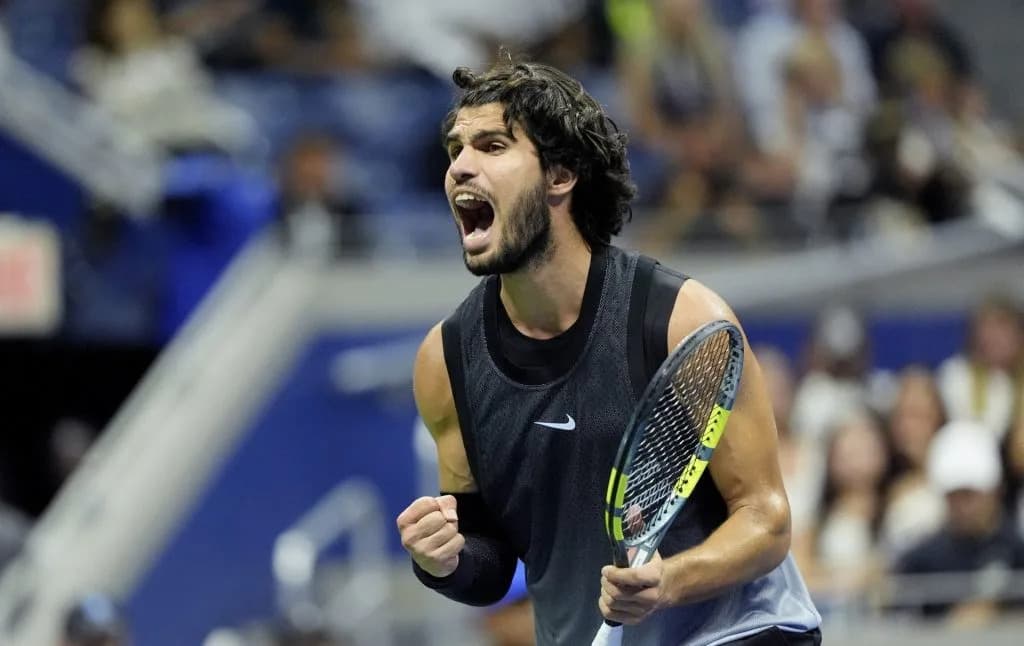
Carlos Alcaraz Speaks Out Against Late-Night Match Endings
Carlos Alcaraz has voiced his frustration with tennis matches that stretch into the early hours, calling for tournament organizers to reconsider their scheduling. His plea comes after a grueling US Open quarterfinal against Ben Shelton wrapped up at 3:33 a.m., marking the latest finish ever recorded at the event.
"It's too much," Alcaraz said during a press conference in London just before the Laver Cup. "They have to make some changes. I’m not saying 3:30 a.m. is acceptable, but even finishing at midnight feels too late already."
Late Finishes Becoming More Frequent in Grand Slams
Late-night conclusions have surged recently across major tournaments. In 2022, Alcaraz and Jannik Sinner set a US Open record by ending their match at 2:50 a.m. Then at the 2024 French Open, Novak Djokovic and Lorenzo Musetti pushed boundaries further, concluding their battle at 3:06 a.m. Even this year, Venus Williams and Sofia Kenin started a match at 12:13 a.m., the latest kickoff in US Open history.
Reflecting on his own experience, Alcaraz explained the toll such late finishes take. "Finishing at 3:30 means leaving the court around 4:30 a.m., then getting back to the hotel. You don’t get to bed until 6:30 or 7 in the morning. That makes recovery tough, especially if your next opponent had an earlier finish."
Scheduling Challenges at the US Open
The US Open typically features one men’s and one women’s night session each evening, starting soon after 7 p.m. But a sequence of extended day matches during the recent quarterfinals pushed the night session’s first match start time closer to 8:20 p.m. This delay cascaded, resulting in the marathon match between Alcaraz and Shelton.
The USTA did not comment on scheduling concerns when approached by reporters. However, tournament director Craig Tiley defended the setup earlier, stating, "I hear many complaints about late finishes, but rarely do I get concrete suggestions for alternatives."
Other Grand Slams Face Similar Issues
Late conclusions are not unique to the US Open. The Australian Open shares a similar two-match night-session format and holds the record for the latest Grand Slam finish—at 4:34 a.m. in 2008 between Lleyton Hewitt and Marcos Baghdatis. Roland-Garros introduced a night session in 2021, featuring a single match starting at 8:15 p.m., though it has been criticized for predominantly scheduling men’s matches during these slots.
Wimbledon stands apart with an 11 p.m. curfew mandated by local rules, preventing matches from running excessively late.
Alcaraz Reflects on the Impact of Late Matches
"It’s a shame such a match didn’t reach more people because many have to wake up early for work. If it had started at 7 or 8 p.m., finishing by 11 p.m., the stadium would have been packed. A lot missed out due to the timing," Alcaraz said.