.svg&w=384&q=75 "logo")
Ben Shelton Dethrones Carlos Alcaraz in Epic U.S. Open Match
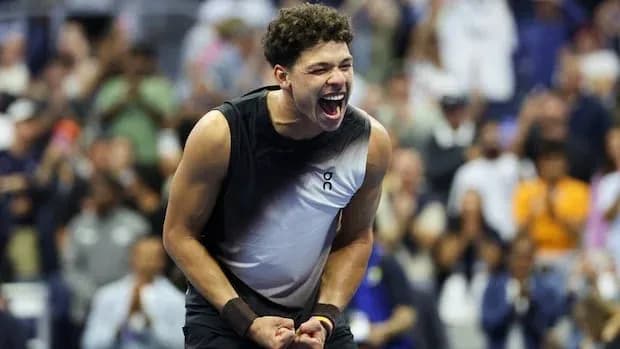
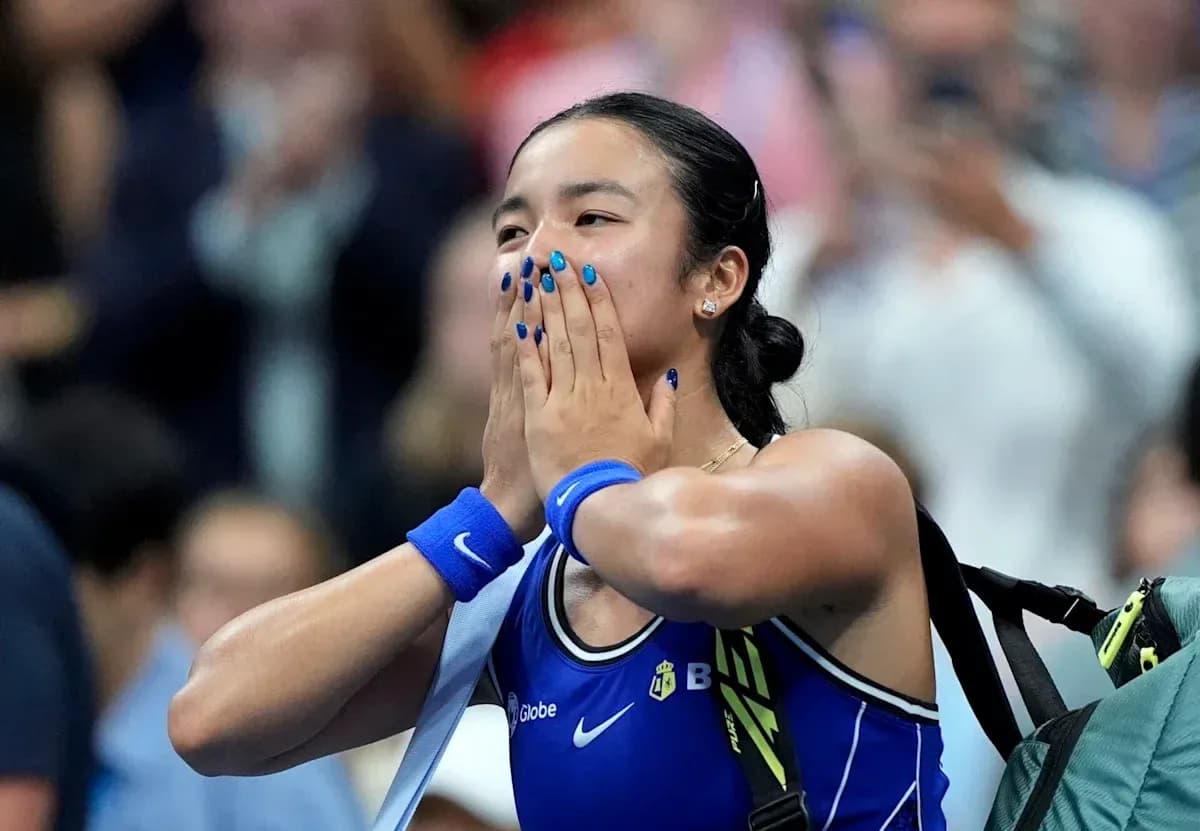
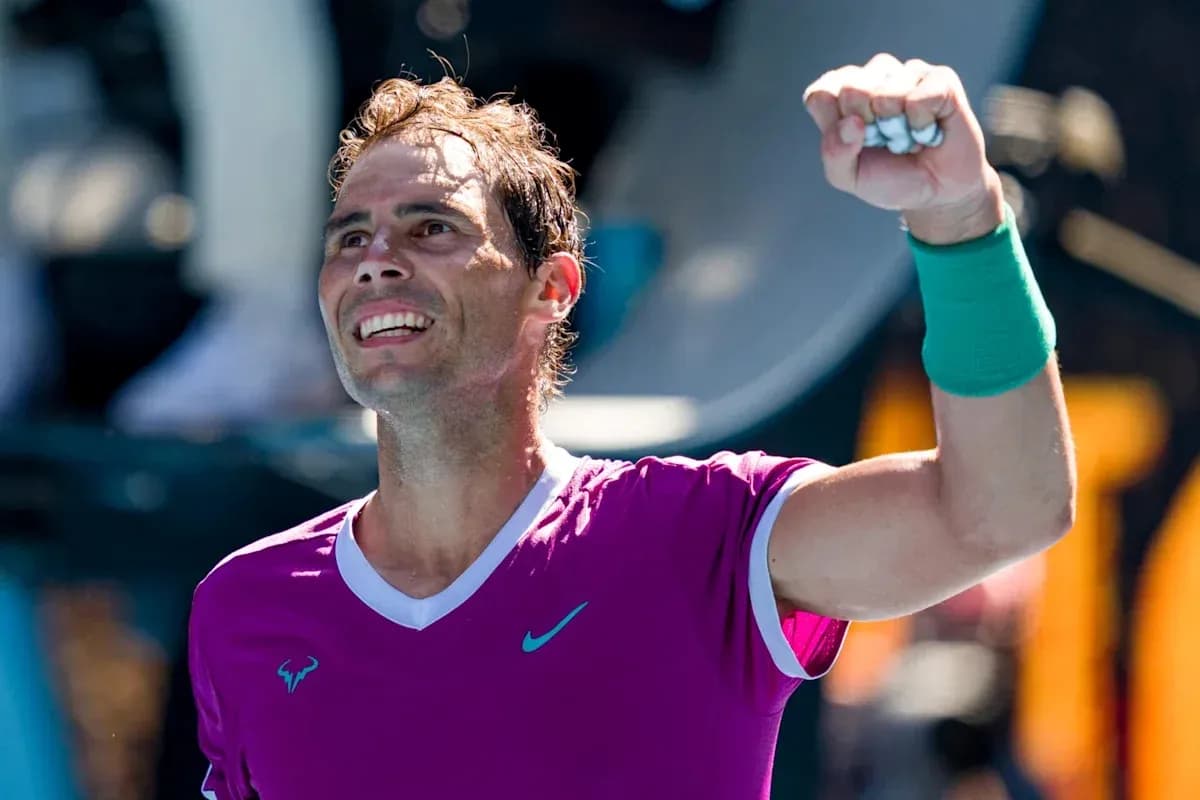
Ben Shelton stood on the Arthur Ashe baseline with the clock creeping toward 3:30 a.m., the air heavy, the crowd running on adrenaline and bad coffee. Across the net, Carlos Alcaraz, the U.S. Open champion, bent over his racquet, legs shot, lungs burning, title reign hanging by a thread.
One swing. One serve. One chance.
Shelton uncorked a 146 m.p.h. ace, a blur down the T that no version of Alcaraz — fresh, tired, or anything in between — was getting back. At 3:33 a.m. ET, the stadium erupted, the scoreboard froze, and a marathon finally had its ending.
The 21-year-old American had dethroned the champion in a five-set epic: 6-7 (5), 6-1, 6-3, 1-6, 7-6 (10-7). The latest-finishing match in U.S. Open history ended with the kind of moment this tournament lives for.
“I’m tired. It was a war,” Shelton said afterward. No need to dress it up. Anyone still in Arthur Ashe could see it written all over both players. “Carlos is one of the greatest champions of our sport. It was the most enjoyable match I've had in my career, for sure.”
A champion pushed to the edge
Alcaraz did not go quietly. His 18-match Grand Slam winning streak ended at 4 hours, 28 minutes, in a match that turned into a test of endurance as much as shot-making. He clawed back from two sets to one down, roared through the fourth, and somehow found another gear even as his body rebelled. At one point, he vomited before the start of the final set, then still came out swinging.
This was his first tournament since April after a layoff with a right wrist injury, yet he had already banked a major this season with his Australian Open title. He arrived in New York as the man to beat. He left without the trophy, but not broken.
“I'm leaving happy and my head held high,” Alcaraz said. “The truth is, I wanted to win … but also our goal was to leave the tournament having played matches and staying healthy.”
He achieved that. What he didn’t survive was Shelton’s surge and the sheer force of a crowd desperate for an American breakthrough.
New York, still awake and roaring
The U.S. Open loves to flirt with chaos at night. Matches spilling past midnight, fans refusing to go home, the stadium turning into a pressure cooker. This one stretched even the tournament’s own wild standards.
Thousands stayed. At nearly 3:30 in the morning, Arthur Ashe Stadium still looked about one-third full, a stubborn, noisy remnant that sounded like three times that. They chanted “Shel-ton! Shel-ton!” and “USA! USA!” even for points that felt too tense to cheer.
Shelton soaked in every second.
“It's incredible,” he said. “I always say that this is the greatest sports city in the world; I say that this is the greatest stadium in the world. I'm just hoping that my best friend and my sister over there don't have to be at work at 6 a.m. in three hours.”
The pressure told in waves. Shelton ripped through nine straight games from early in the second set to a 3-0 lead in the third, flipping the match on its head after dropping a tight opening-set tiebreak. Alcaraz answered with a furious fourth-set response, 6-1, forcing a decider that felt inevitable for two players who refuse to accept a script.
The final tiebreak had its own twist. Alcaraz surged ahead 5-3, looking ready to lean on his big-match pedigree. Shelton refused to blink, leaning on that heavy lefty serve that routinely climbs past 140 m.p.h. and daring Alcaraz to keep up. The errors came from the champion’s racquet. The finishing blow came from Shelton’s.
History changed hands on a single line-clipping ace.
Tiafoe turns the night into an American story
The drama didn’t belong to Shelton alone. On a day when three of the four singles quarterfinals went to match tiebreaks, the U.S. Open turned into a test of survival.
Earlier, Aryna Sabalenka had edged Wimbledon champion Linda Noskova to keep her bid for a third straight U.S. Open title alive, setting the tone for a day that refused to produce anything simple.
Then Frances Tiafoe took his turn in the spotlight.
Down two sets to Alex Michelsen, flat and frustrated, the No. 11 seed looked headed for the exits. Michelsen, ranked No. 46, had not dropped a set all tournament and led 7-5, 6-3, 5-4, serving for a straight-sets win. The breakout run was rolling, the upset seemed all but sealed.
Tiafoe ripped it up.
He broke back, stole the third set 7-5, rode that surge through a 6-3 fourth, and then held his nerve in a deciding-set tiebreak to complete a 5-7, 3-6, 7-5, 6-3, 7-6 (10-6) comeback. Michelsen dropped to 0-6 in five-setters, another brutal lesson in the thin line between a statement win and a long, empty walk to the locker room.
“It wasn't good, let's put it that way. It wasn't good,” Tiafoe said of his sluggish start. “Three out of five is a blessing, because you have time to get it together. I definitely waited for the last minute.”
He did, and he survived. The reward: a semifinal against Shelton and a guarantee that an American man will play in the U.S. Open final.
The last time that man lifted the trophy? Andy Roddick, back in 2003. A generation ago.
A new champion guaranteed
Alcaraz’s exit carries another consequence. This U.S. Open will crown a new champion. On the other half of the draw, none of Wednesday’s quarterfinalists — a group led by world No. 1 Alexander Zverev — has ever won the title in Flushing Meadows.
The defending champion is out. The night-session king has been toppled in the very arena where he once authored the previous latest finish, that 2:50 a.m. classic against Jannik Sinner in the 2022 quarterfinals on his way to a first major at 19.
Now the late-night folklore belongs to someone else.
Shelton, fresh off a second straight Canadian Open title, and Tiafoe, into his third U.S. Open semifinal after his 2022 run, will walk into Arthur Ashe knowing one of them will carry the American flag into the final weekend.
New York has waited 21 years for a homegrown men’s champion. After a night that refused to end, the question hangs over the city again: is this finally the year someone answers it?