.svg&w=384&q=75 "logo")
Barcelona’s Financial Revival: From Crisis to $7.5 Billion Powerhouse
FC Barcelona spent the summer acting like a giant again. Not pretending. Not patching. Acting like a club that believes it belongs at the very top of the sport’s food chain.
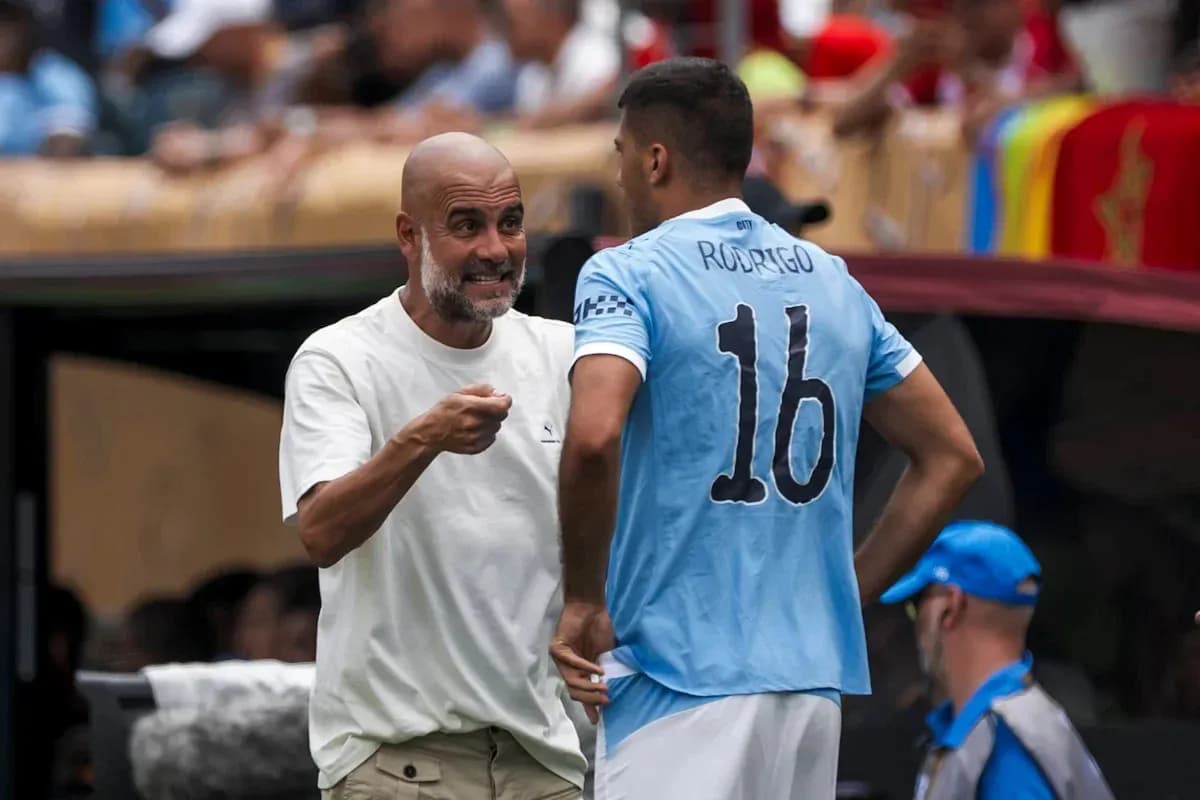
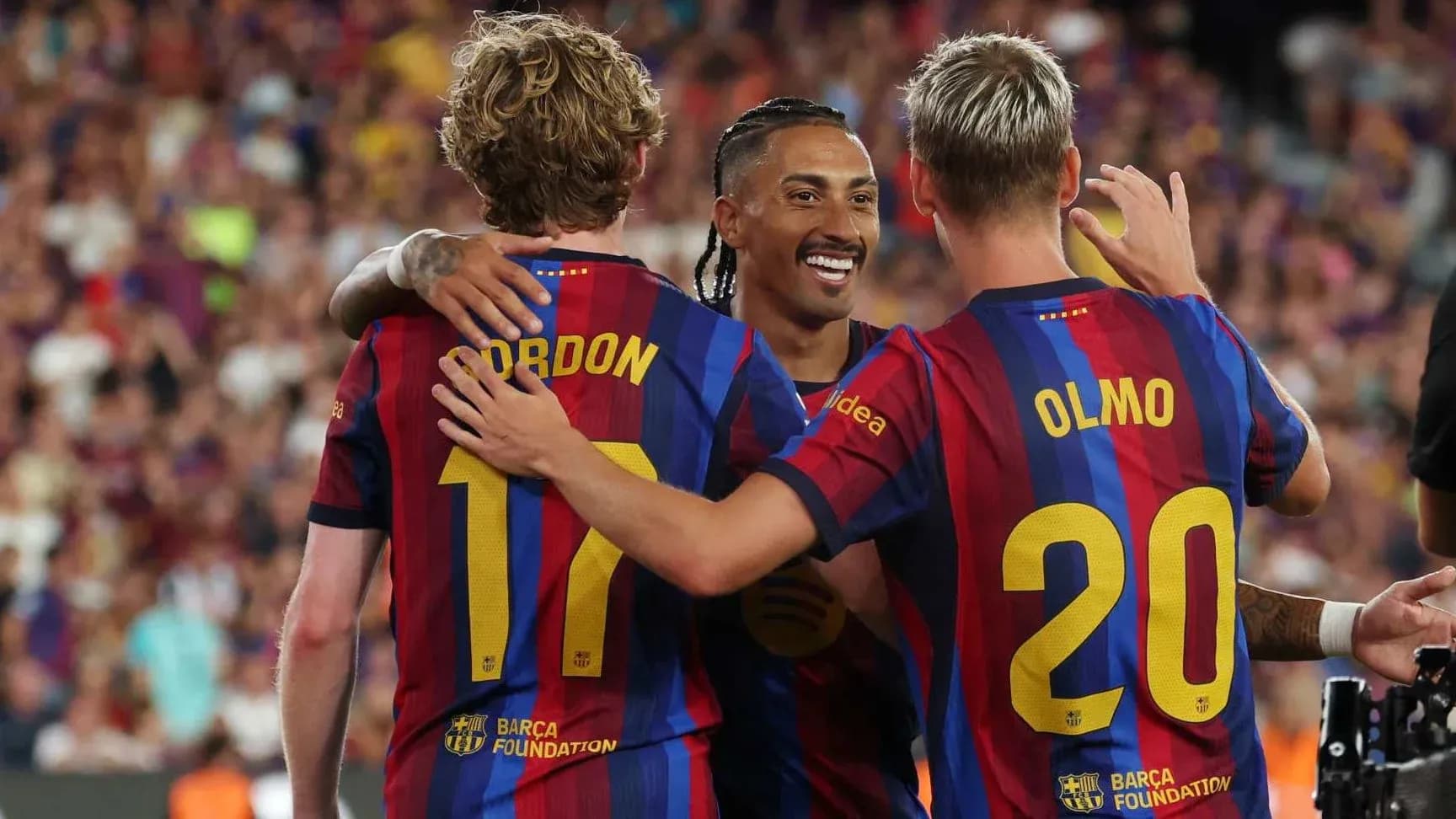
Anthony Gordon, Karim Adeyemi, Rodri, Joao Cancelo, Gabriel Jesus – Deco’s recruitment drive has felt less like a rebuild and more like a statement. The shackles that once defined every Barça conversation have loosened. The numbers now prove it.
From Survival Mode to the $7.5 Billion Club
Forbes has ranked Barcelona as the second-most valuable football club on the planet, placing their worth at $7.5 billion. That figure represents a 33% leap from last year’s $5.65 billion valuation – an extraordinary surge in such a short space of time.
It also means something symbolically powerful in the modern game: Barcelona have overtaken Manchester United, now valued at $7.2 billion. Only Real Madrid sit higher, out in front at $9.5 billion.
This is not a sentimental ranking. Forbes’ valuation is based on hard numbers taken from the end of the 2024-25 season, a time when Barcelona were still far from realising the full financial impact of their rebuilt home.
A Business Reborn
The club’s wider business has been swelling behind the scenes. Barcelona are expected to announce record revenue for the 2025-26 financial year, closing in on €1.1 billion after generating €994 million the previous season.
The breakdown of the $7.5 billion valuation shows where the new Barcelona is flexing its muscle:
- $3.012 billion attributed to commercial operations
- $1.682 billion to broadcasting
- $1.454 billion to ticketing and matchday activities
- $1.352 billion to the Barcelona brand itself
Those are the pillars of a club that has shifted from financial firefighting to structured growth. And yet, one of its most powerful assets is still only running at a fraction of its potential.
Spotify Camp Nou: The Sleeping Giant
Real Madrid have already been cashing in on a fully renovated Santiago Bernabeu, with its premium zones and event-ready infrastructure working at full tilt. Barcelona, by contrast, are still in the process of unlocking everything Spotify Camp Nou can offer.
The return to Camp Nou has already given the club a lift. But the real transformation lies ahead.
Once the work is complete, the stadium is expected to hold 104,600 supporters, including around 9,400 VIP seats. Parts of those new premium areas will open during this season, nudging matchday and hospitality revenue upwards from the figures currently baked into Forbes’ calculations.
That’s the intrigue. The valuation has jumped by a third before the club has properly turned on the taps of its most lucrative physical asset.
Youth, Stardom and a Global Brand
Barcelona’s commercial strength is not just about concrete, steel and naming rights. It is about the product on the pitch and the image that beams around the world.
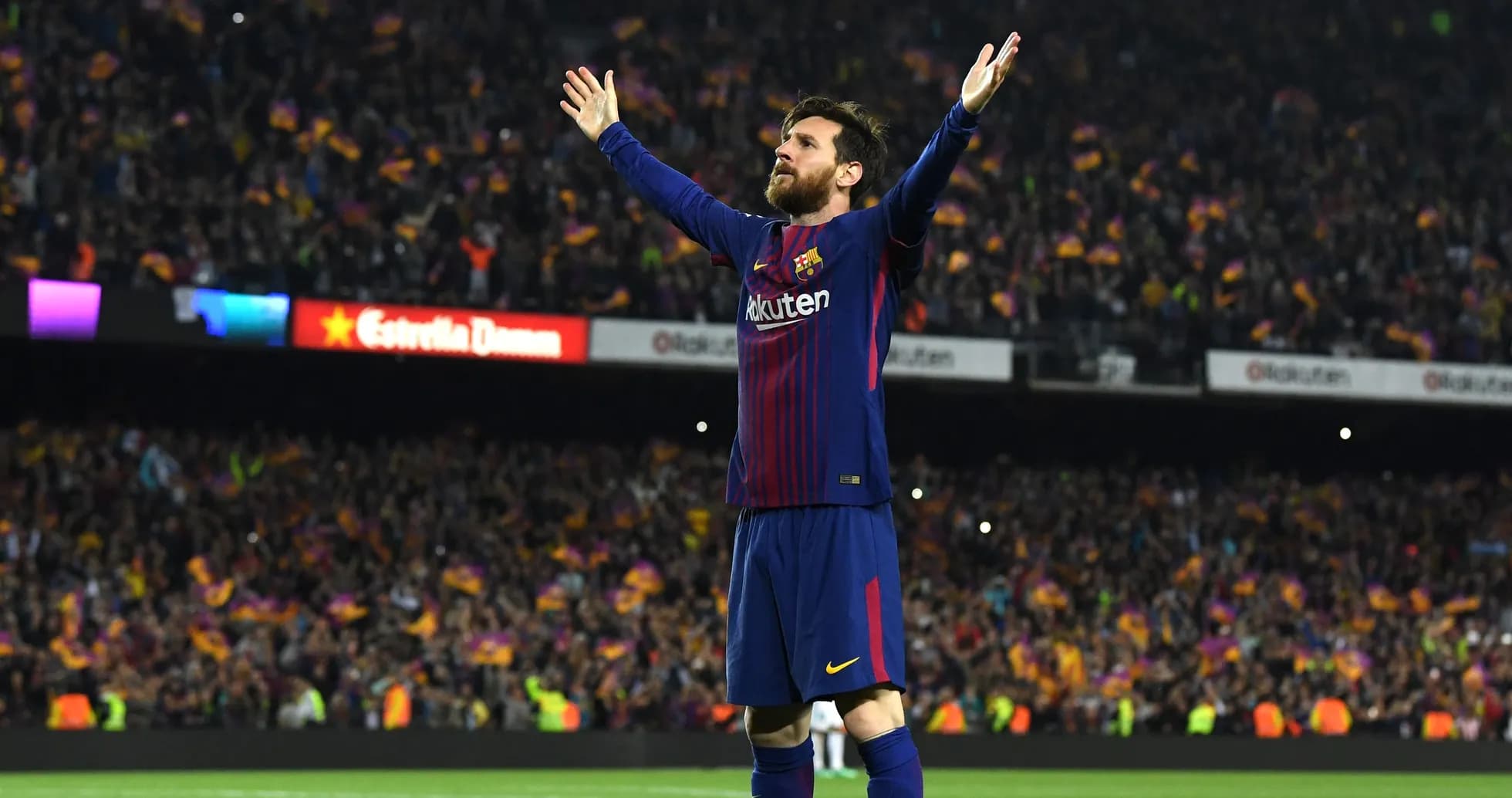
A young, winning side, defending La Liga champions, fronted by emerging global stars such as Lamine Yamal, gives the club a narrative that sponsors and partners crave. The badge still carries historic weight, but now it’s backed by a team that looks built to compete at the summit again, not just cling on.
Even so, the gap to Real Madrid remains real. A $2 billion difference in valuation is not a rounding error. It reflects Madrid’s head start in stadium monetisation and their own relentless growth as a commercial machine.
But direction matters.
Barcelona have climbed 33% in a single year, and they have done it while their most important commercial asset – a finished, fully operational Spotify Camp Nou – remains only partially in play.
The sporting project already looks geared for the biggest stages. If the stadium delivers the revenue Barcelona believe it can, the question will not be whether they can close the gap on Madrid.
It will be how long it takes before they stand alone at the top.