.svg&w=384&q=75 "logo")
Bangladesh's Asia Cup Exit Highlights Power Issues
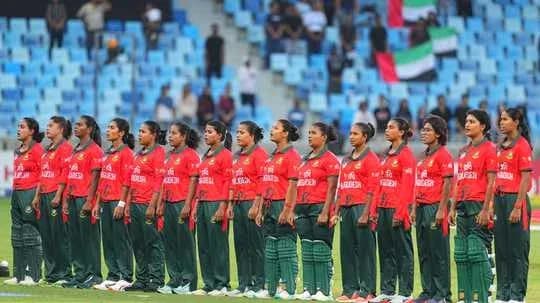
The numbers told the story long before the tournament spat Bangladesh out of the Asia Cup T20. A side that once shocked the region in 2018 now looks trapped between its gritty past and a more explosive future it hasn’t yet learned to embrace.
This time, the bill for that hesitation arrived against India.
Powerplay gap, power-hitting gulf
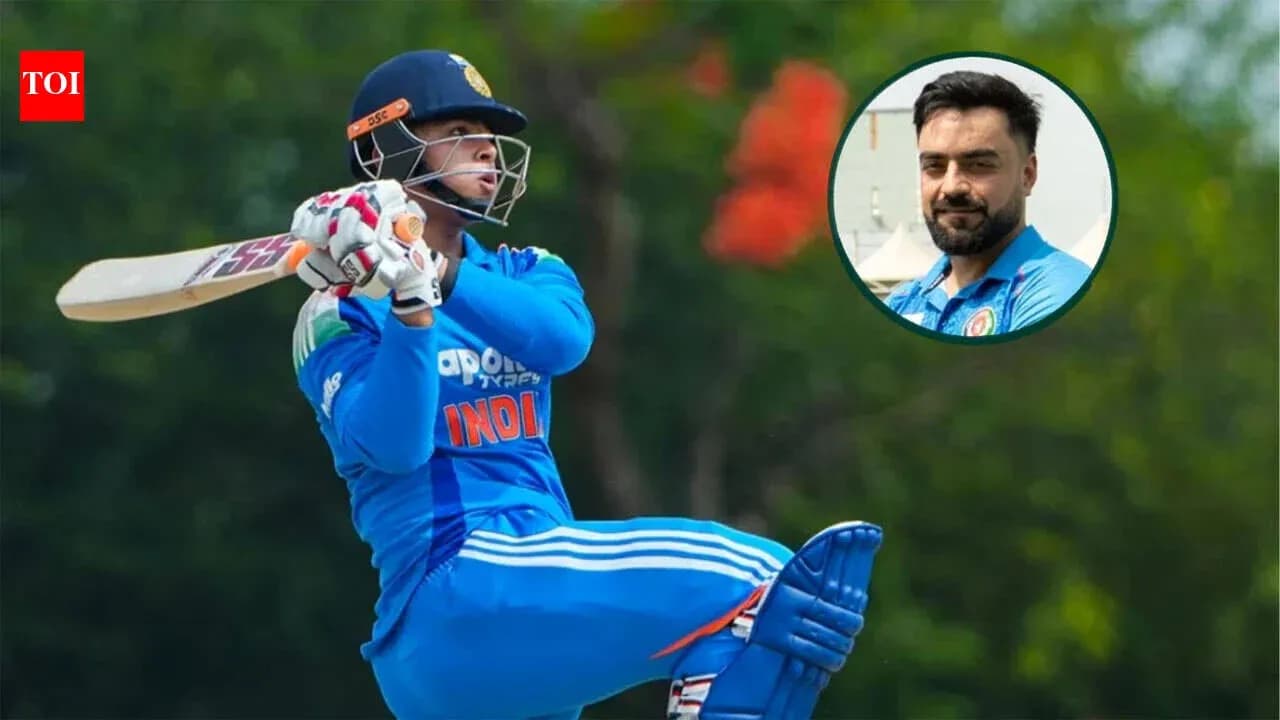
In the 2026 Asia Cup semifinal, Bangladesh walked out needing a fast, fearless start. They got 26 for 1 in the Powerplay. India, under the same lights and on the same surface, crashed 45 for 1.
The tone of the night was set there.
India tightened their grip at the death, plundering 42 runs in the final four overs for the loss of three wickets. Bangladesh, chasing the same window of opportunity, scraped just 25 for two in that phase. The contrast was brutal: India had finishers; Bangladesh had survivors.
A coach deeply involved in the women’s game in Bangladesh, speaking on condition of anonymity, did not dress it up.
When it comes to the Powerplay, he said, Bangladesh simply do not hit enough boundaries. They need 40-50 on the board early to cushion their struggles in the middle overs. Right now, they rarely get there.
The death overs are an even harsher mirror. Bangladesh, he argued, “lack hitters in the death overs” and do not have enough players capable of exploiting that period. Shorna Akter stands almost alone as a genuine power option. When she fires, Bangladesh can reach 130-140. When she doesn’t, the entire batting plan collapses.
The middle order carries experience in Nigar Sultana Joty, Sobhana and Supta, but experience without late-innings muscle has a ceiling. In tight T20 contests, that is where the gap opens up.
Sixes tell a different, sharper truth
The broader numbers are curious. Since January 2025, Bangladesh have actually made strides in six-hitting. Their 55 sixes in that span put them ahead of Pakistan (50), England (45), New Zealand (43), Australia (41) and Sri Lanka (40). At a distance, that looks like progress.
Zoom in on this Asia Cup, though, and the flaw glares again.
India smashed 25 sixes in the tournament. Sri Lanka followed with five. Bangladesh hit four. For a side that wants to live with the best in the region, that output is nowhere near enough.
That is why the coach insists Bangladesh must add “two-three players for power hitting” to complement the current core. Without that, the team keeps returning to the same script: a cautious start, a stalled middle, and a finish that never quite arrives.
The pattern is not new. Since their 2018 Asia Cup title, Bangladesh have managed one fifth-place finish and two semifinal exits in the last three editions. On the global stage, the ceiling has been even lower: they have never gone beyond the first round of a T20 World Cup, winning just two of their first 13 matches in the main draw.
Pace, or the lack of it
The issues are not confined to the batting.
Bangladesh lean heavily on Marufa Akter with the ball. Too heavily, according to the same coach. On truer, better-prepared international pitches, he warned, that dependence becomes dangerous.
The Asia Cup surfaces were something of an exception, not quite like what awaits at a World Cup. Even there, though, Bangladesh looked short of pace options. The verdict from inside the system is blunt: they need two or three more pacers and a pace-bowling all-rounder to balance the attack.
Without that support, Marufa becomes both spearhead and safety net. No modern T20 side can afford that kind of imbalance.
A pipeline under pressure
Underneath the senior team, the pipeline is creaking. Many of the current players have been around for years. Familiarity has brought stability, but it has also slowed renewal.
The coach believes the answer lies in a more aggressive push from age-group levels, especially U-19 cricket. Bangladesh, he said, must bring in young players who are “fit and agile and can match up with requirements of T20 cricket” and then give them room to grow at international level.
If the pipeline is strong, adaptation time shrinks. If it isn’t, the team keeps recycling the same faces and the same limitations.
Fitness and fear
Another coach, equally close to the national set-up, pointed to a different fault line: fitness.
He described it as a “major concern” and linked it directly to culture and daily habits, not just what happens in a national camp. If players treat fitness as something to be addressed only when they report to camp, they fall short of international standards, especially in a format that rewards those who are “strong, fit and quick”.
Those extra 10-12 runs he referenced do not come only from the bat. They come from sprinting twos, from sharp angles in the field, from saving five runs on the rope. At this level, that swing can decide games.
He was careful not to brand the current group as unfit, but insisted they lag behind the international benchmark. Awareness, he argued, has to come from the players themselves.
Then there is the mental side.
Bangladesh’s women, he said, must “break free from fear of failure”. That means a dressing room where experimentation is allowed and mistakes are not punished with the axe. Cricketers need to know that if they take a risk and it goes wrong, the team management will still back them.
Without that security, players cling to their comfort zones. They avoid risk. They avoid power options. They avoid the very style of cricket that modern T20 demands.
A crossroads, not a cul-de-sac
The picture is not hopeless. The six-hitting numbers over the last year show that Bangladesh can evolve. Shorna Akter’s emergence offers a glimpse of what a more powerful batting unit might look like. The experience of Joty and others still has value if surrounded by greater pace, fitness and freedom.
But the Asia Cup exit has stripped away any illusions.
Bangladesh cannot keep trying to grind out 120 while the rest of the world swings for 150. They cannot keep asking one pacer to do the work of three. They cannot keep waiting for a miracle from the same few players every time the pressure rises.
The questions are clear now. Will they rebuild their pipeline, sharpen their fitness standards and recruit genuine power hitters? Or will another World Cup arrive with the same old script, and the same familiar ending?