.svg&w=384&q=75 "logo")
Aryna Sabalenka's Epic Comeback to Reach Semifinals
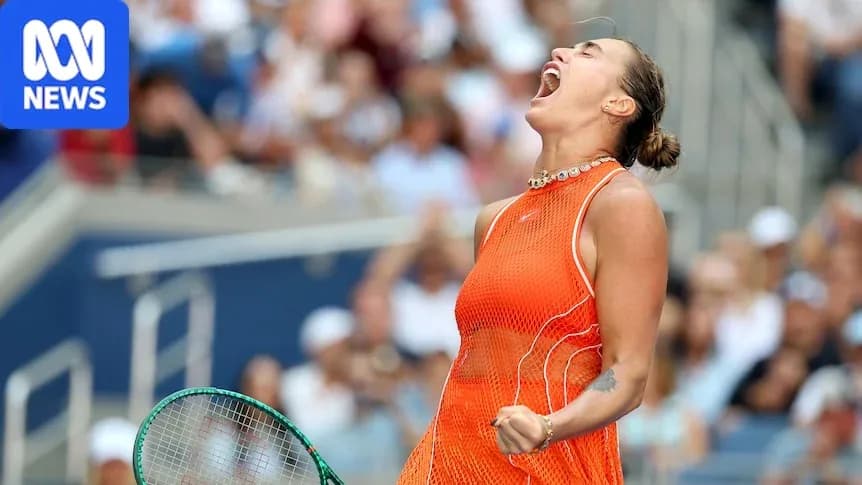
Aryna Sabalenka walked to the brink, stared at the exit, and then tore the script in half.
The world number one, chasing a third straight US Open crown, dragged herself back from 2-4 down in the deciding set to outlast Wimbledon champion Linda Noskova 7-6(7-1), 3-6, 7-6(10-7) in a ferocious quarterfinal that felt every bit like a final on Arthur Ashe.
For five rounds, Sabalenka had cut through the draw without dropping a set. Noskova ended that comfort in a hurry and very nearly ended her title defence as well.
“I honestly thought, ‘That’s it, the match is over,’” Sabalenka admitted on court, still breathless, still wired from the escape. That thought, she said, freed her. With nothing to protect, she went after everything.
It saved her season in New York.
A heavyweight battle from the first ball
Sabalenka came out swinging and drew first blood in the second game, ripping a forehand into the corner so cleanly that Noskova didn’t even move. The early break looked like the familiar pattern: the champion imposing, the challenger hanging on.
Noskova refused the role.
The Czech sixth seed, already a major champion this year at Wimbledon, answered with the kind of baseline weight that has made her rise feel inevitable. She broke back in the ninth game with two heavy, unflinching groundstrokes, pinning Sabalenka behind the baseline and silencing the early roar.
Noskova’s serve, though, was the real problem. She rained down 18 aces, shrugged off seven of nine break points, and repeatedly used the first strike to keep Sabalenka from dictating. On a night when the Belarusian’s power wasn’t always enough, Noskova’s delivery turned into a wall.
Sabalenka still found a familiar refuge: the tiebreak.
Earlier this season she put together a record run of 21 consecutive tiebreak wins at the majors, and the opening breaker here looked like a continuation of that dominance. She flew through the first six points, suffocating Noskova with depth and pace, and closed it out 7-1 with the authority of a player who trusts the pressure moments more than the regular games.
One set up, but not in control.
Noskova flips the script
The second set belonged to Noskova.
Sabalenka’s firepower dipped, her radar wobbled, and the errors crept in. Noskova, by contrast, grew bolder. She began to lean into her service games, hitting her spots, then stepping in on anything short. Sabalenka struggled to make inroads, and when the break came, it came from her own racket — a double fault that handed Noskova a 4-2 lead and a surge of belief.
The Czech locked in, levelled the match, and suddenly the defending champion was the one searching for answers.
The tension tightened even more in the third. Noskova sensed vulnerability and pushed hard on Sabalenka’s serve. Midway through the decider, a pair of Sabalenka double faults opened the door again. Noskova walked straight through, breaking for 4-2 as Sabalenka screamed in frustration, the sound echoing around the stadium.
At that point, Noskova looked on course for the upset. She had the break. She had the serve. She had the better rhythm. Sabalenka had only the scoreboard and a creeping sense that the run might be over.
That was the moment she let go.
From the brink to the breaker
Believing the match might already be lost, Sabalenka swung without fear. The change was immediate. She began to hit through the court again, flattening her forehand, stepping inside the baseline, taking time away from Noskova.
The pressure finally told in the eighth game. Sabalenka broke back, wrestled control of the rallies, and dragged the contest toward the place she knows best: another tiebreak.
Noskova didn’t fold, but the initiative had shifted. Sabalenka, suddenly loose and liberated, looked like the player who has turned Flushing Meadows into her personal fortress over the past three seasons.
In the decisive match tiebreak, she leaned again on that big-match pedigree. The patterns were simple and brutal: heavy first serves, forehands into corners, no hesitation. Noskova fought to stay attached, but the champion kept her nose in front.
At 9-7, Sabalenka stepped to the line and finished it the way a world number one should — with an ace. One last clean strike, one last roar, and a place in the semifinals secured for the sixth consecutive year.
She has now won 21 of her past 22 matches at the US Open. Only Serena Williams had put together a similar run of consistency here in the modern era, reaching six straight semifinals from 2011 to 2016 and winning three of those titles. Sabalenka has now matched that semifinal streak, and she’s still chasing her own third crown.
“What a battle. What an incredible player she is,” Sabalenka said, full of respect for Noskova after the match. She thanked the crowd for dragging her through the darkest moments, acknowledging how much their noise had helped her find that last reserve of fight.
A Serena-level streak, an American hurdle next
This was Sabalenka’s hardest test of the fortnight by some distance. For the first time this tournament, she had to absorb serious scoreboard pressure, face a serve that repeatedly shut the door, and claw back from the edge.
She passed. Barely, but decisively.
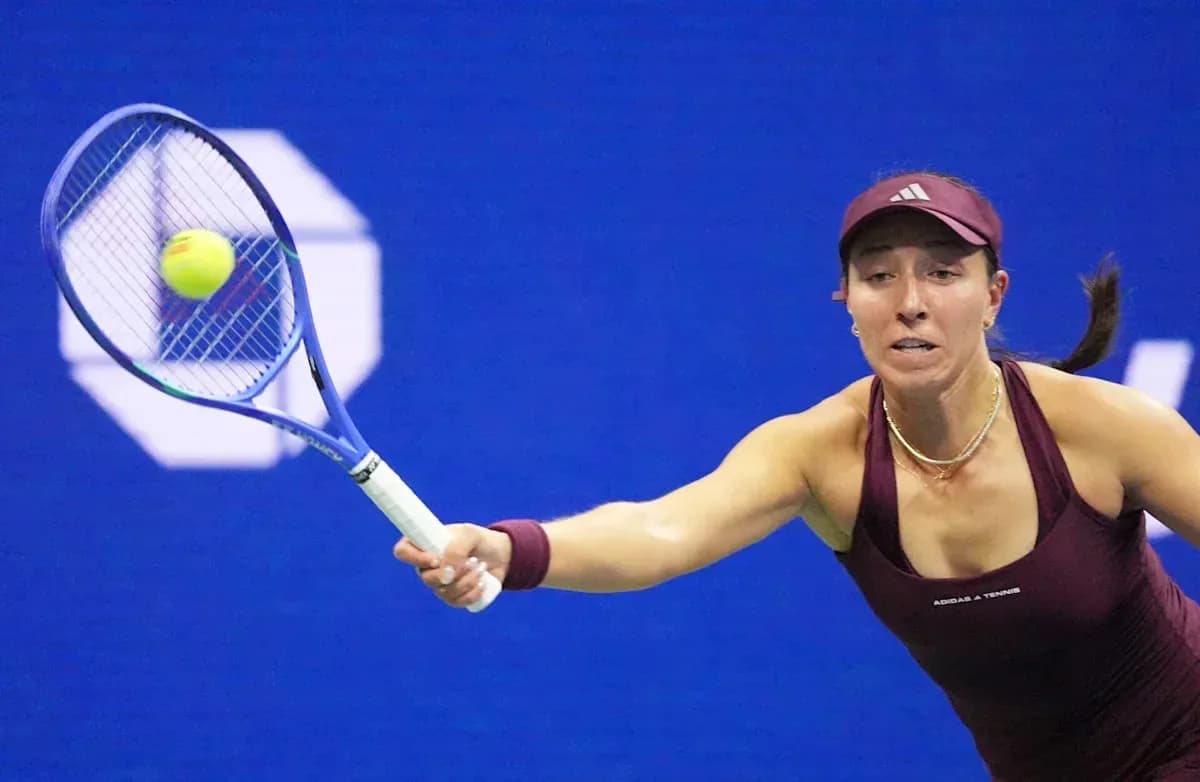
Next comes an all-American obstacle: either third seed Jessica Pegula or 26th seed Emma Navarro. Both bring different threats, both will have the crowd on their side, and both will know that Sabalenka’s aura of invincibility took a dent, even as her record survived.
Six straight semifinals in New York. A Serena-like footprint on this event. A title defence still alive after the kind of escape that often defines a champion’s fortnight.
If this was the night Sabalenka thought “the match is over” and still found a way out, what happens when she starts a match believing the title is hers to take?