Alejandro Davidovich Fokina's Shanghai Win Raises Questions for the ATP Tour
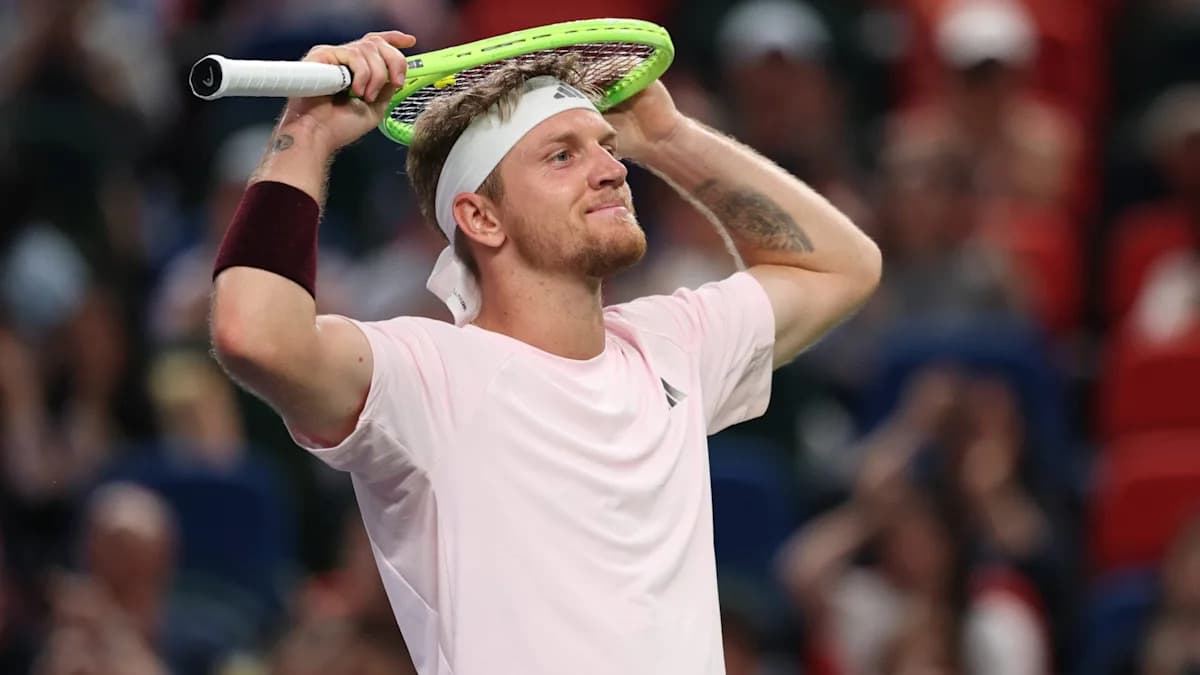
Alejandro Davidovich Fokina's Stunning Victory in Shanghai
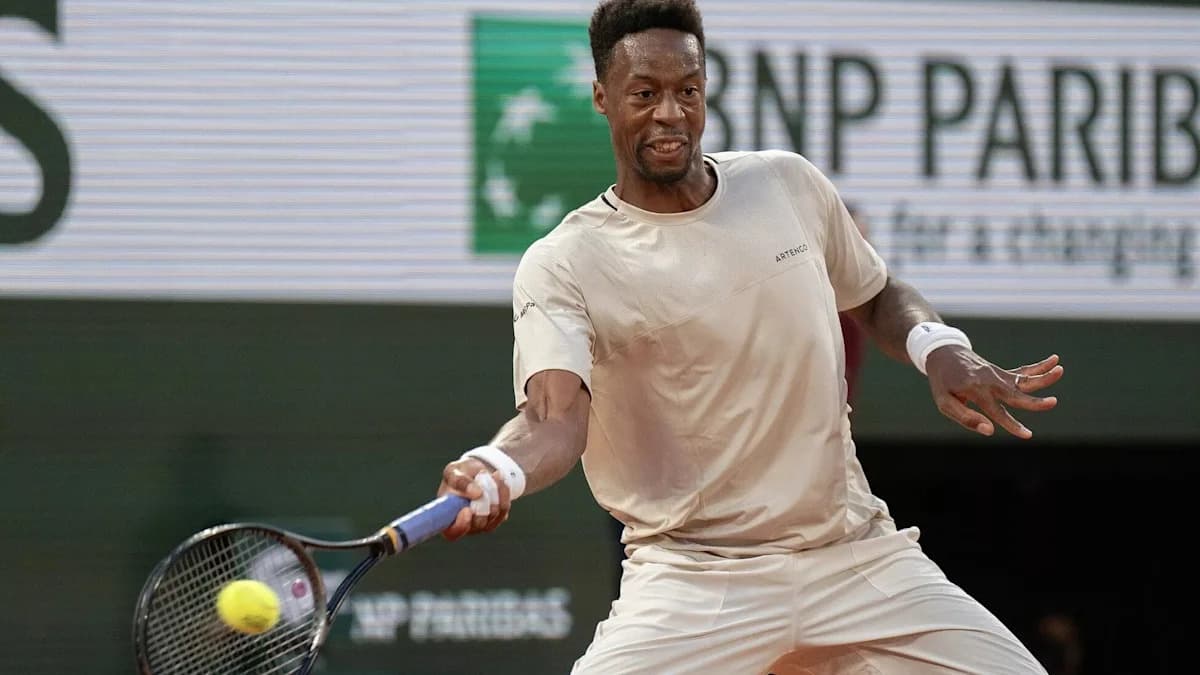
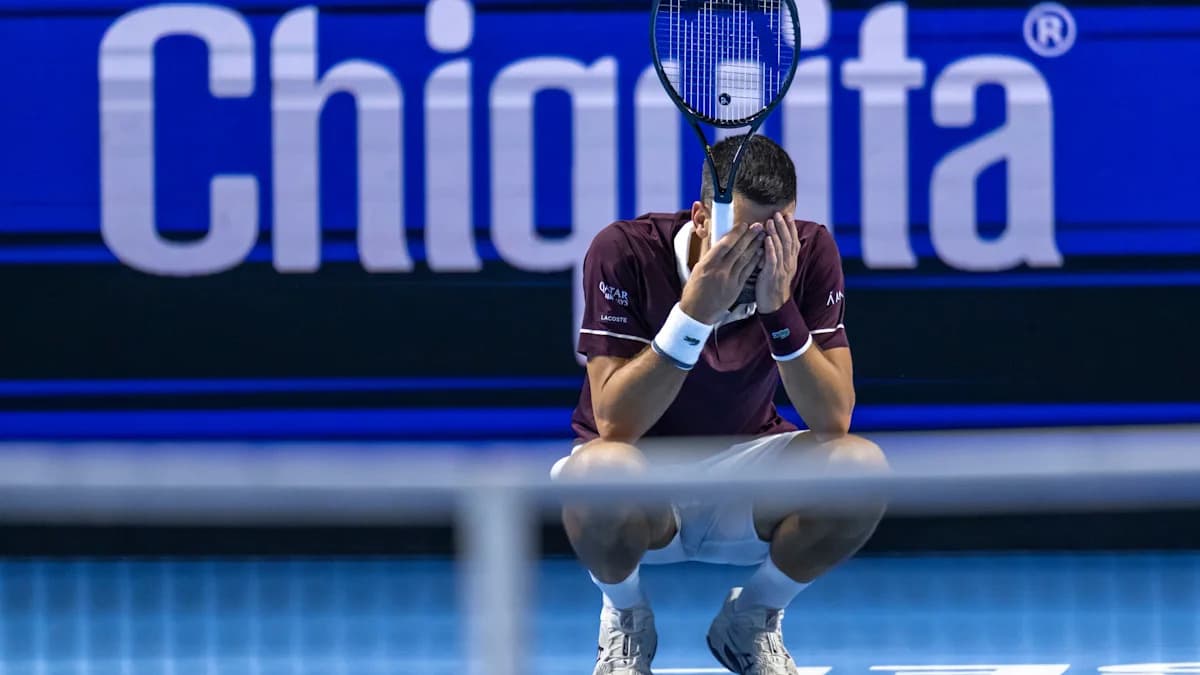
Alejandro Davidovich Fokina emerged as the newest champion of an ATP Masters 1000 event after his impressive performance in Shanghai. He overcame Rafael Nadal in the final with a scoreline of 1-6, 7-6(7-5), 6-4 to claim the biggest title of his career so far. Along the way, Davidovich Fokina also defeated top seed Alexander Zverev and Frances Tiafoe, making his run truly unforgettable.
Inspired by Arthur Fils' Comeback
The Spanish player credited fellow competitor Arthur Fils as a source of motivation following his own injury return. Fils made a strong comeback this year after missing several tournaments due to injury, and Davidovich Fokina expressed confidence that similar resilience could fuel his progress.
"I remember now when Arthur Fils, he’s a very good friend of mine and he skipped a lot of tournaments this year. And he came back stronger, winning all the matches. So that gave me a lot of power. If he can do it, I can do it too."
Implications for the ATP Tour
Davidovich Fokina’s remarks reveal a shift in how players approach competition after time away from the tour. Both he and Fils show that consistent play is not necessarily required to achieve success at the highest level. Players seem able to selectively enter events according to their readiness or strategy.
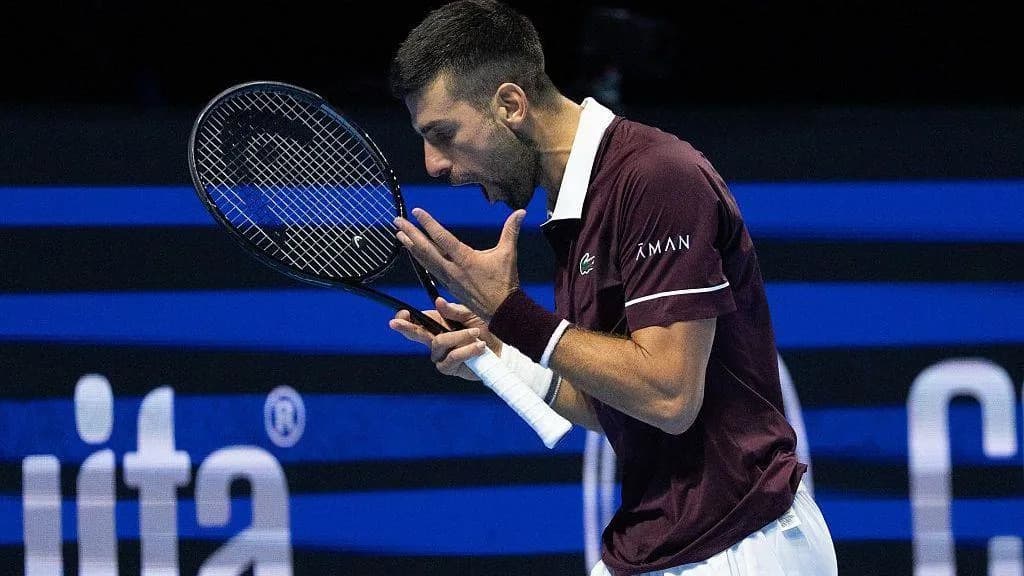
This mindset is evident in other stars as well. Veteran Novak Djokovic has famously limited his schedule to only compete when feeling prepared, capturing the China Open title recently. Similarly, compatriot Carlos Alcaraz returned from a wrist injury after four months and quickly won the Japan Open. His US Open quarterfinal appearance soon after proves minimal preparation does not prevent deep tournament runs.
Potential Consequences for the Season
Some players are already choosing to step away early from the season. For instance, Jannik Sinner ended his campaign ahead of schedule, with Joao Fonseca following suit. This trend might force the ATP Tour and event organizers to reconsider expectations around player participation.
While tournament directors and sponsors want the biggest names competing regularly, many top players are deciding that managing their schedules carefully is more important than playing every event. This could present challenges for the ATP and those invested in maximizing star presence throughout the calendar.