.svg&w=384&q=75 "logo")
2026 U.S. Open: Etiquette Row Sparks Debate
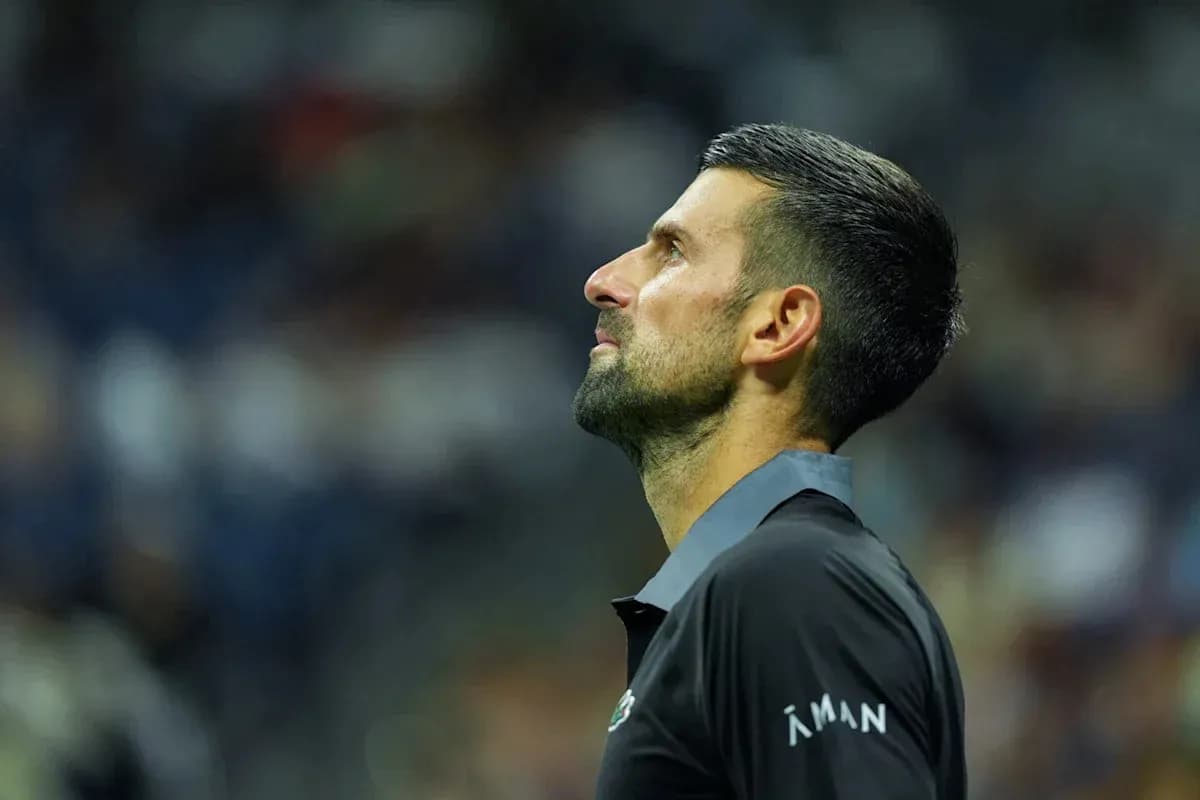
On court, the 2026 U.S. Open has crackled from the very first ball. Novak Djokovic’s shock first-round exit lit the fuse, and the tournament hasn’t stopped buzzing since.
The women’s draw has done exactly what a Grand Slam wants from its headliners: the superstars have turned up, taken charge, and produced the kind of statement performances that define late-summer evenings in New York. On the men’s side, the script has been looser, scrappier, full of players who were supposed to be gone by week one still swinging freely deep into the tournament.
The tennis has been worthy of the stage. The noise around it has not.
Influencers in the Firing Line
The biggest talking point of this U.S. Open hasn’t been a five-set epic or a generational rivalry. It’s been who’s sitting courtside—and how they’re behaving.
Tournament organizers invited a wave of social media influencers this year, chasing reach, relevance, and younger eyeballs. They got attention. Just not the kind they wanted.
Clips have circulated of influencers treating the sport’s cathedral-like silence as a backdrop for content rather than competition. Phones out, conversations running, etiquette ignored. The backlash has been swift and fierce, with fans and traditionalists questioning whether this is the direction a Grand Slam should be heading.
The debate has split opinion. Is this smart marketing gone slightly rogue, or a fundamental misunderstanding of what makes tennis different from every other noisy, blaring sports experience in the city?
What’s become clear: the issue runs deeper than a few influencer invitations.
Arthur Ashe Turns Up the Volume
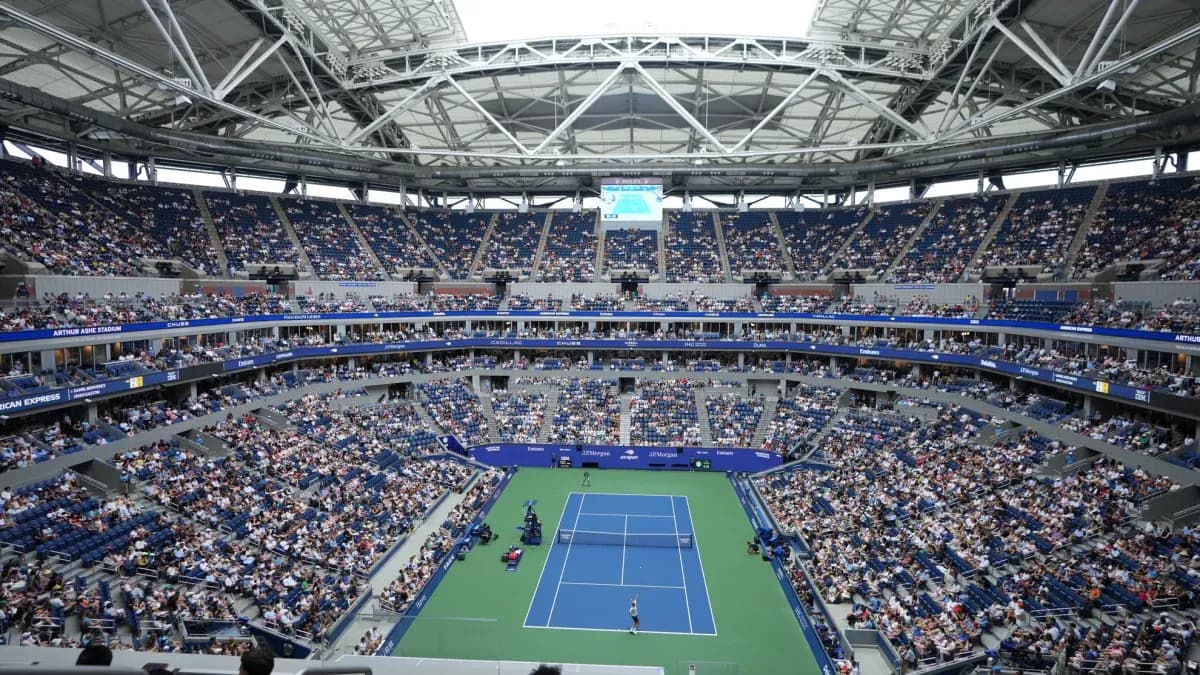
The flashpoint came during a night session at Arthur Ashe Stadium, the tournament’s main stage and the largest tennis arena in the world. Under the lights, with high-stakes matches in full flow, the atmosphere crossed a line.
The crowd didn’t just hum. It roared.
Spectators were moving around the lower bowl while points were still being played, shuffling in and out of seats mid-rally. The noise level stayed high even as players prepared to serve. The hush that usually settles over a stadium at the toss of the ball never really arrived.
This wasn’t a handful of influencers breaking decorum for a video. This was a broader breakdown in basic tennis etiquette.
Fans inside the arena and viewers at home reacted with disbelief. How had one of the sport’s showpiece events lost control of something so fundamental?
A Grand Slam Wrestling With Its Identity
Tennis has always drawn a clear line: chaos between points, silence during them. That unwritten rule is as much a part of the sport’s identity as the white lines and the net.
At this U.S. Open, that line has blurred.
Casual fans, many perhaps new to the sport or drawn by the spectacle and star power, haven’t consistently respected the need for quiet during play. The result is a jarring clash between tennis tradition and a more modern, arena-style energy that suits basketball or boxing far more than a tense service game at 5-5.
Something in the messaging, the stewarding, or the planning has misfired. Crowd control, usually invisible when done well, has become an obvious problem.
For the organizers, the fallout feels inevitable. When the final ball is struck and the trophies are lifted, the conversation won’t just be about champions and upsets. It will turn, sharply, to what kind of event the U.S. Open wants to be: a disciplined Grand Slam that protects its on-court sanctity, or a louder, looser spectacle that risks drowning out the very sport it’s built on.