.svg&w=384&q=75 "logo")
Sourav Ganguly's Impact on Indian Cricket's Mindset
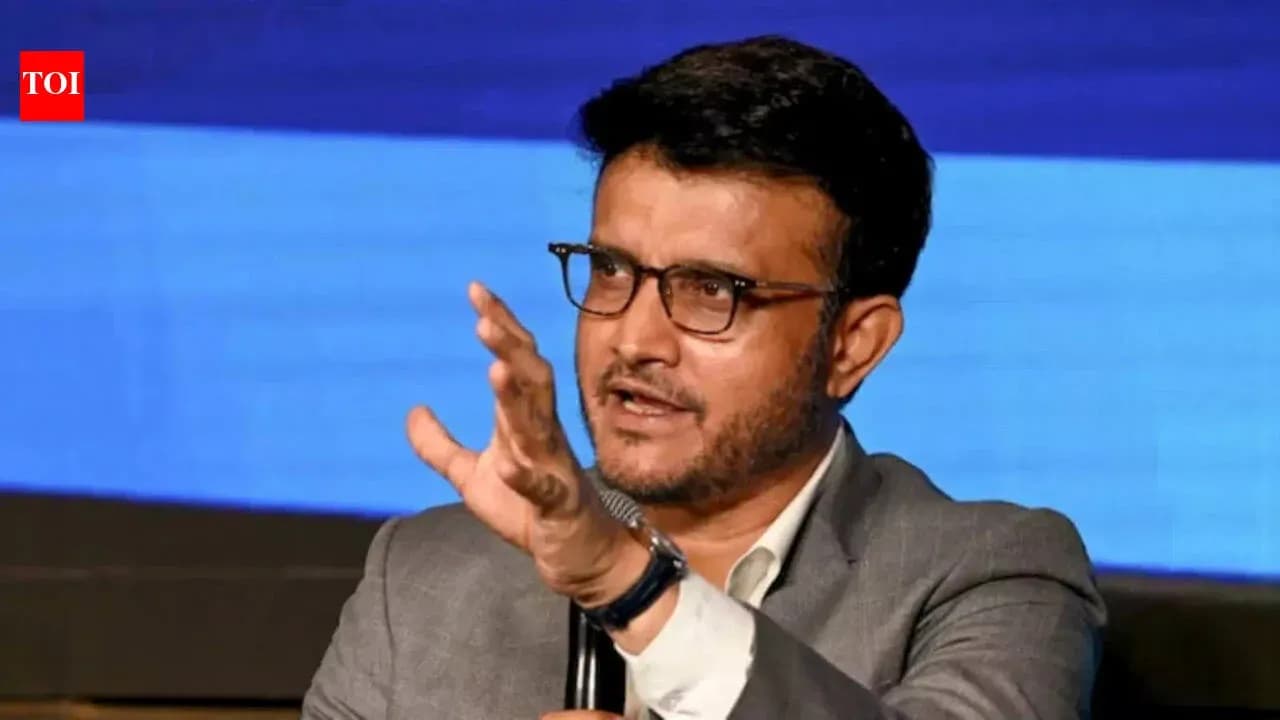
In the early 2000s, Indian cricket stopped flinching and started staring back. Deep Dasgupta knows exactly when that switch flipped.
The former India wicketkeeper-batter, who played eight Tests and five ODIs, has lifted the curtain on how Sourav Ganguly’s swagger reshaped the team’s mentality — especially when it came to sledging. Speaking on The Great Indian Cricket Show on Doordarshan, Dasgupta painted a vivid picture of a side that moved from quietly absorbing jibes to firing them straight back.
Under Ganguly, he said, India didn’t just learn to live with the noise. It learned to own it.
From Silent Steel to Open Fire
Before Ganguly, the Indian dressing room dealt with sledging in a familiar way: take the abuse, internalise it, and let the bat or ball answer. The anger stayed inside. Controlled. Contained.
That changed when a left-handed captain from Kolkata, known as “Maharaj”, took charge.
“Under Ganguly, if someone sledged, we started to give it back,” Dasgupta recalled. The mindset shifted from, “I’ll channel it,” to, “I’ll channel it — and I’ll tell you exactly what I think while I’m at it.” Ganguly’s self-belief, that unshakeable “I am the king” attitude, didn’t remain his alone for long. It seeped into the dressing room, then onto the field.
The nickname wasn’t just a quirk. It became a template.
Australia: Two Tours, Two Mindsets
Dasgupta framed the change through the toughest examination ground of all: Australia.
On his first tour Down Under, India still followed the old code. The team used the barbs as fuel but kept the response under wraps. There was fire, but it burned behind the eyes, not in the air.
By the time he returned for the 2003-04 tour, the atmosphere had shifted. The same provocation came. The same words. The difference lay in the reply.
“Earlier, it was controlled and internal,” he said. “But by the time we came to 2003, if someone said something, we would give it back.” India still drew strength from the sledging, still used it as motivation, but now the aggression had a voice. The opponents heard it. The world saw it.
The change wasn’t cosmetic. It was cultural.
The Captain Who Redrew the Lines
The numbers behind Ganguly’s reign only tell part of the story, but they still demand attention.
He captained India in 196 international matches, winning 97, losing 79 and drawing 15. In Tests, he led in 49 games, with 21 wins, 13 defeats and 15 draws. Those figures sit alongside some of the most defining results in modern Indian cricket.
There was the epic 2001 Border-Gavaskar Trophy triumph, built around that unforgettable Kolkata fightback. The commanding Test win at Leeds in 2002, where India batted England out of the game. The Adelaide victory in 2003, a landmark overseas result that signalled India would no longer be tourists making up the numbers.
On the one-day stage, Ganguly’s India stormed to the 2003 World Cup final, carried by belief as much as skill. The NatWest Trophy win at Lord’s, with Ganguly’s shirt-waving celebration on the balcony, became an era-defining image of defiance. The side also shared the 2002 Champions Trophy with Sri Lanka after the final was washed out, another piece of silverware in a growing collection.
Those achievements, strung together, tell the story of a team that stopped asking for respect and started demanding it.
The Legacy of a Mindset
Dasgupta’s reflections go beyond nostalgia. They cut to the heart of what Indian cricket became in the 2000s — a side unafraid of confrontation, unafraid of noise, unafraid of anyone.
Ganguly’s “Maharaj” persona, that sense of walking out as if he owned the stage, didn’t just change how India reacted to sledging. It changed how India saw itself. From the first word tossed in an opponent’s direction to the last handshake at stumps, there was a new edge.
The results are in the record books. The attitude is still out there, every time an Indian side walks into a hostile ground and looks straight back at the crowd, at the opposition, and refuses to blink.