.svg&w=384&q=75 "logo")
Sabalenka's Press Conference Flashpoint at US Open
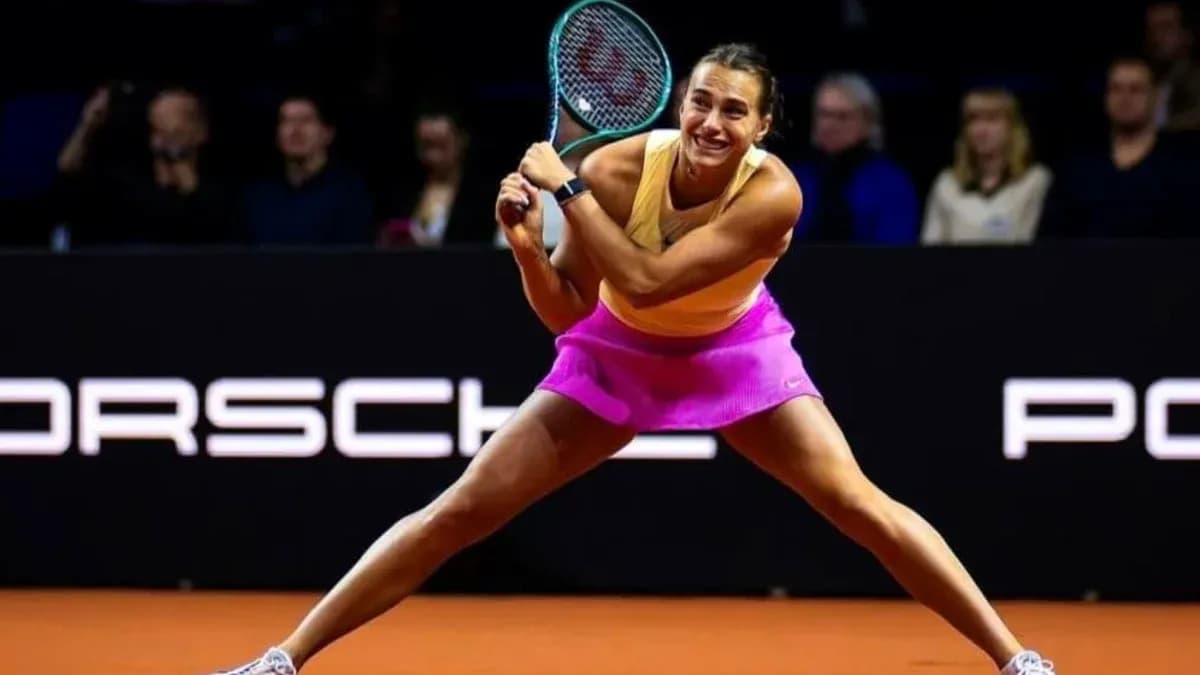
Aryna Sabalenka’s forehand wasn’t the only thing hitting hard at Flushing Meadows. Days after a commanding second‑round win at the US Open, it is her exchange with a reporter in the interview room – not a forehand winner on Ashe – that continues to ripple through the sport.
The world No. 1 walked into her post‑match press conference fresh from a dominant performance, but the mood shifted the moment one question landed. A reporter framed the build‑up to the tournament as a week of “parties and fun” and asked how her mindset had changed now that the serious business had begun.
Sabalenka bristled.
The implication that she had spent the days before the year’s final Grand Slam partying rather than preparing cut straight across her sense of professionalism. She pushed back firmly, drawing a clear line between sponsor events and frivolity, insisting that corporate appearances and brand obligations do not replace the hard hours on the practice court.
The tension in the room was obvious. Clips of the exchange hit social media within minutes and took off. Many fans rallied behind Sabalenka, applauding her for defending the grind that underpins her rise to No. 1. Others focused on the wording of the question, arguing over whether it had been clumsy, careless, or simply misunderstood.
As the debate grew louder, the journalist at the center of it stepped forward to explain his side. He clarified that he had not intended to accuse Sabalenka of neglecting her preparation or treating the build‑up as a party circuit. His aim, he said, was to reference the string of public appearances, promotional work, and off‑court duties that trail top players into every major.
In his view, the question landed differently than he meant it. He stressed that he did not question Sabalenka’s work ethic and acknowledged just how much attention the confrontation had generated once the video spread online.
Sabalenka, for her part, did not simply let the moment hang. After the initial flash of anger in the press room, the two‑time defending US Open champion revisited the incident and, according to reports, apologized to the reporter for the force of her reaction. She did not, however, back away from her criticism of the phrasing, maintaining that the way the question was framed was unfair.
What remains is a snapshot of the uneasy tightrope between athletes and the media at the sport’s biggest stages. Players walk off court, adrenaline still high, and sit down to face a battery of questions that often reach beyond tactics and scorelines. Reporters, under pressure to find a fresh angle, probe at issues of preparation, focus, and commitment.
Sometimes the line holds. Sometimes it snaps in a single word – “parties” – and exposes just how thin the margin can be between a routine presser and a flashpoint that dominates the conversation long after the last ball of the day has been struck.