.svg&w=384&q=75 "logo")
Rodri Chooses Barcelona Over Real Madrid: A Major Career Move
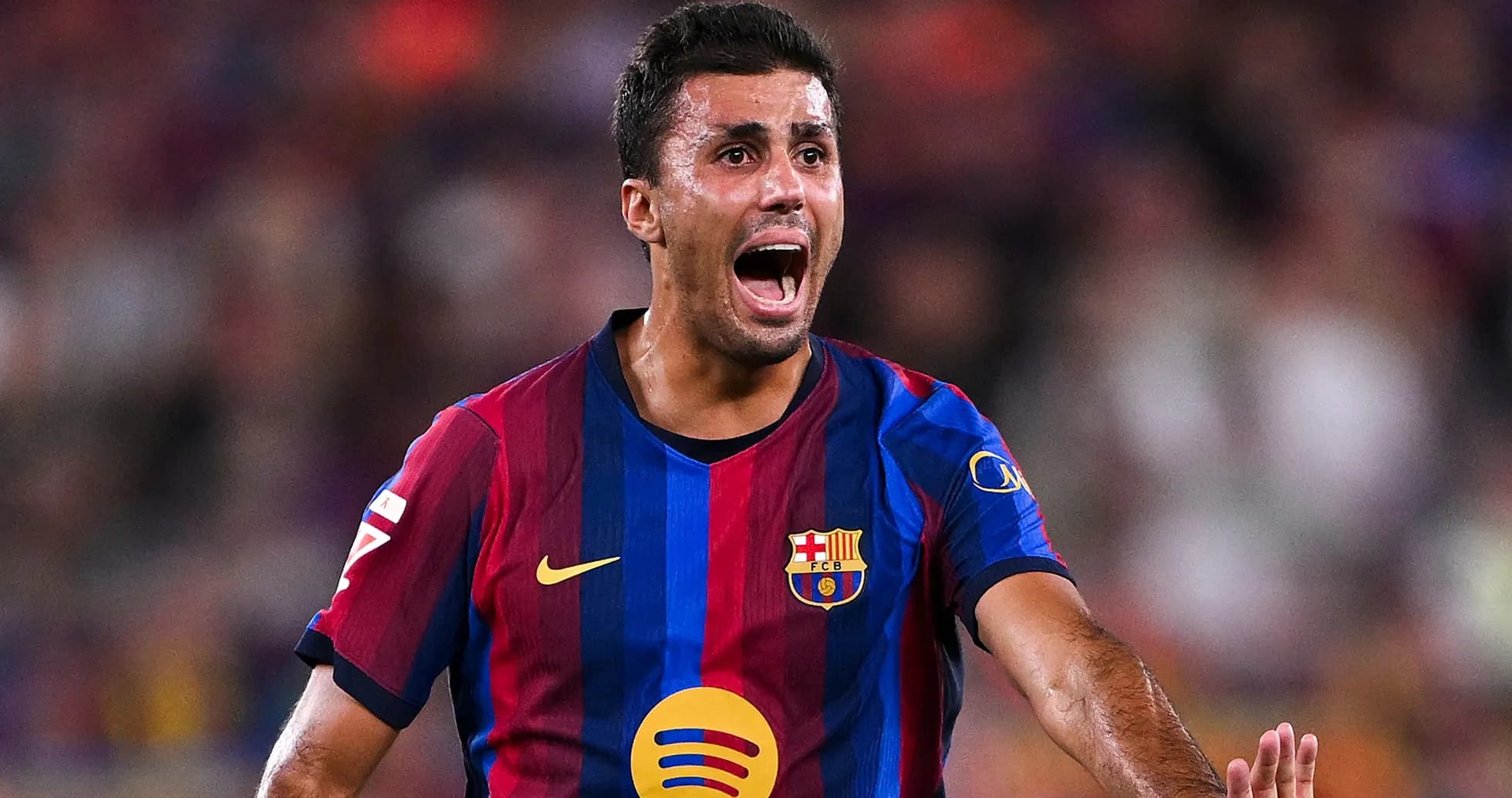
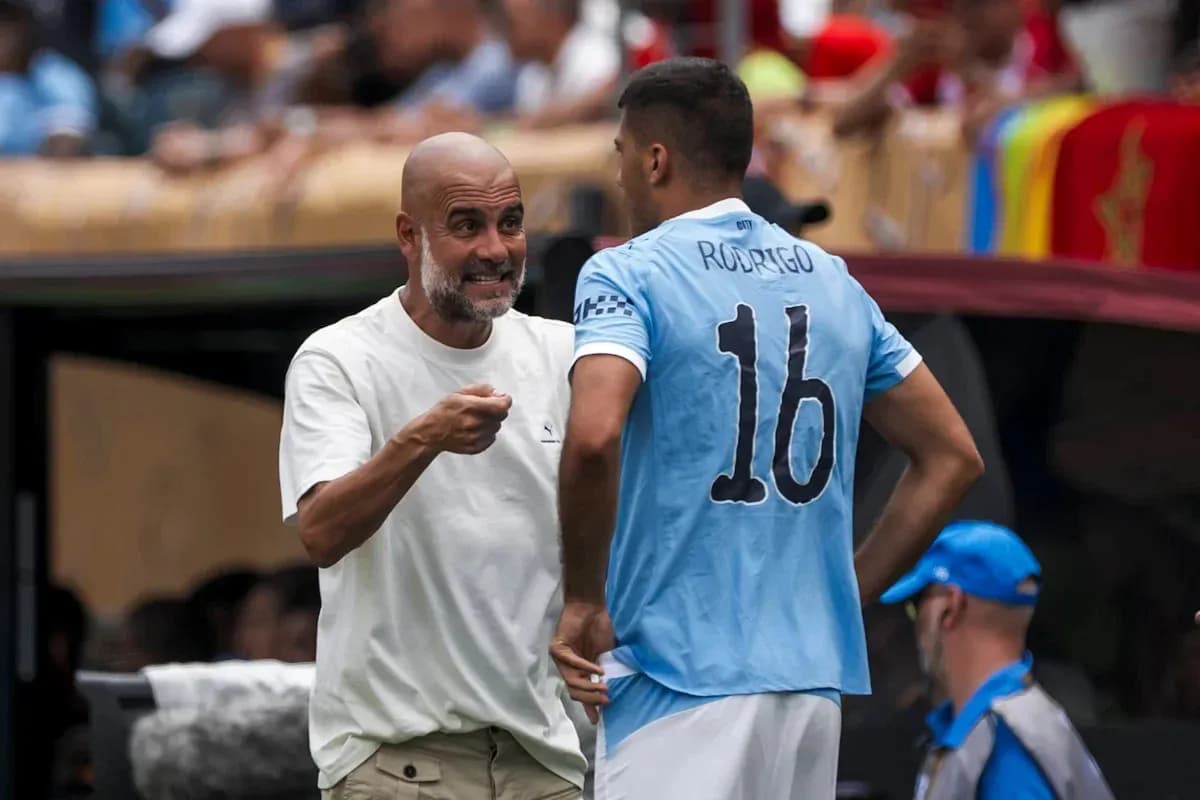
Rodri walking away from Manchester City was always going to shake the market. A 30-year-old midfield metronome, fresh from winning the 2024 Ballon d’Or, doesn’t usually trade the Etihad for a new project unless something powerful is pulling him. In this case, that pull was Barcelona – and not the white shirt many in Spain expected him to wear.
Real Madrid wanted him badly. Barcelona got him anyway.
“It’s been a process, rather than a decision”
Speaking to Mundo Deportivo, Rodri stripped away the drama and painted his move as something gradual, almost organic. His time at City, he said, had simply run its course.
“It’s been a process, rather than a decision,” he explained. “First, you have to realise that your time there has come to an end and that you might want a new challenge. From there, the moment the opportunity at Barcelona arose, I realised it was the best thing for me for many reasons.”
No talk of contracts or bonuses. No mention of the financial arms race that usually defines summers at the top. For Rodri, this was about football, and football alone.
Flick, Deco and a project that clicked
Barcelona’s pitch did not revolve around nostalgia or slogans. It revolved around Hansi Flick, Deco, and a squad Rodri believes can carry him into the next phase of his career.
“I’ve always based my decisions on sporting considerations – where I believe I’ll be able to win, be happy and, above all, develop as a player,” he said. “And that’s why I’ve chosen Barca – also because of the generation of players they have and what Hansi is building there. Ultimately, Deco and Hansi, at the top of the organisation, convinced me.”
The message from the midfielder is clear: this is not a romantic return to La Liga for its own sake. It is a calculated move into a structure he trusts, under a coach whose tactical demands and intensity mirror what he thrived on in Manchester.
Saying no to Madrid
The twist in the story lies in the club he turned down. Real Madrid courted him, and not quietly. For Los Blancos, losing out on the Ballon d’Or-winning anchor to their greatest rivals cuts deep.
Rodri doesn’t pretend otherwise.
“I had to weigh up a lot of things and make such an important decision between two of the best clubs in the world,” he admitted. “In the end, I made my decision based on sporting considerations – on what sparked a bit more enthusiasm in me and on understanding where I could win and develop the most as a player. It wasn’t an easy decision at all; saying no to Madrid wasn’t easy, especially as they treated me exceptionally well.”
That last line matters. Madrid did everything right in their courtship. They just didn’t win the argument that counts most to Rodri: where he can grow next.
A “family club” feel at the top level
What tipped the balance? Beyond systems and roles, Barcelona’s approach resonated on a human level. No ultimatums. No pressure tactics.
He describes a club that opened the door and let him walk through at his own pace.
“At no point did they put any pressure on me whatsoever; everyone expressed their desire to have me on board, to work together, and to see what I could bring to the team,” Rodri said. The environment, he added, felt “very homely, like a family club”.
“It was more about the football itself – what they understood I could bring both on and off the pitch, and I really liked that.”
For a player who has operated at the highest tactical level under Pep Guardiola, that emphasis on his role, his influence, and his voice inside the dressing room clearly struck a chord.
Ballon d’Or controversy left at the door
All of this unfolded against the backdrop of Real Madrid’s highly publicised boycott of the Ballon d’Or ceremony, where Rodri beat Vinicius to the award. The optics were explosive: Madrid absent on the night their star forward lost out to a player they were chasing, who then chose Barcelona.
Rodri rejects any suggestion that the fallout around the gala nudged him towards Camp Nou.
“Anyone who knows me knows that I try to distance myself from that sort of thing, like the media hype,” he said. “I focus on football. In that sense, I’m very English, aren’t I? The Premier League is football and little else.”
It is a revealing line. Years in England have shaped him: tunnel, pitch, training ground, repeat. The noise around him grows, but he insists it does not guide him.
A decision that will define a decade
Strip it all back and Rodri’s move is about control. Control of games, control of his career, control of the environment in which he wants to spend his peak years. Barcelona offered him a central role in a team being rebuilt around a new generation and a coach he believes in. Real Madrid offered prestige, power, and a different kind of certainty.
He chose the project over the emblem.
Now comes the real test: can the Ballon d’Or winner who dominated England become the heartbeat of a new Barcelona, in a league he returns to as a finished article rather than a promise? The answer will shape not just his legacy, but the balance of power in Spain for years to come.