.svg&w=384&q=75 "logo")
Rodri's Vision for Barcelona: A Path to Champions League Glory
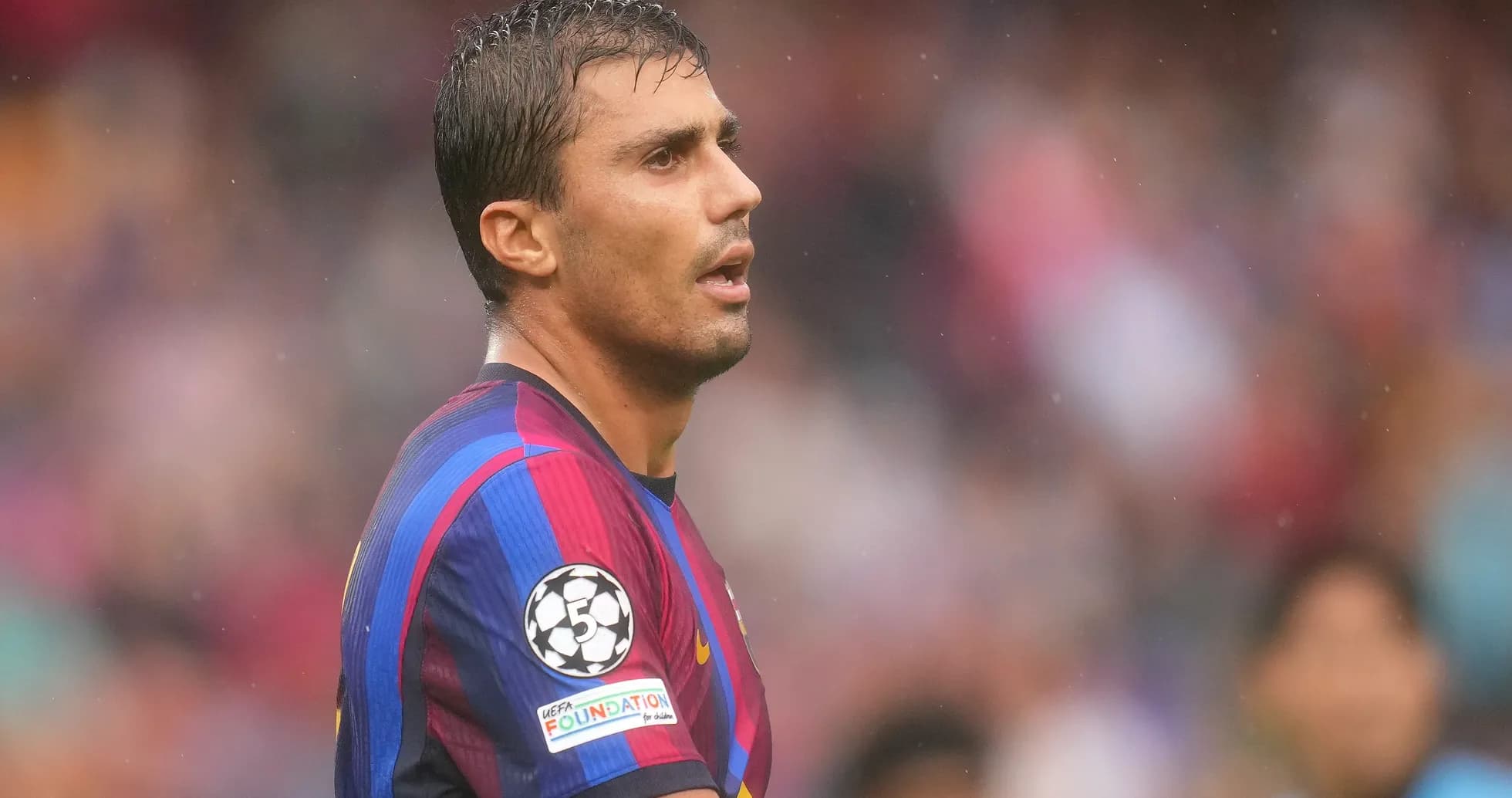
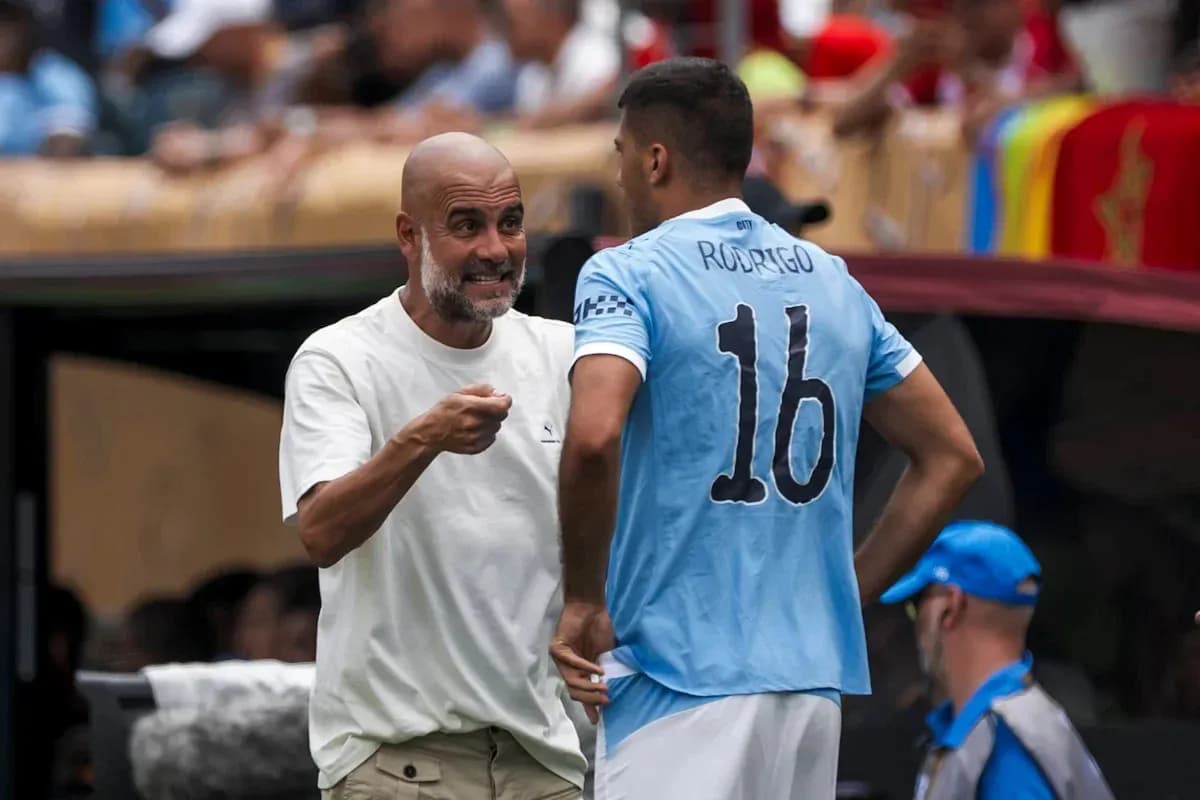
Barcelona have reclaimed La Liga’s throne, but in Europe the crown still sits out of reach. Twelve years without a Champions League tells its own story for a club that once defined the competition. The latest attempt to change that narrative arrived this summer in the shape of Rodri, the 30-year-old Spain captain prised from Manchester City to anchor a new era.
He has not needed a bedding-in period. Rodri has slipped into Barcelona’s midfield like he has always belonged there, dictating tempo, closing spaces, offering a calm axis around which the chaos can turn. Yet his message, delivered in a candid interview with Mundo Deportivo, cut through any romanticism around a swift return to European dominance.
The Champions League? Possible, yes. Inevitable, no.
“The Champions League is achievable, but I don’t think we’re favourites,” he said, stripping away any illusion that Barcelona sit at the head of the continental table. “Obviously, I see it as a realistic title for us. It’s that final step we need to take to establish ourselves and show Europe what kind of team we are.”
That “final step” has tripped Barcelona up repeatedly. Inter. Atletico Madrid. Familiar names attached to messy exits, defensive lapses and costly loss of control. Rodri has seen enough of this competition to know that talent alone does not survive those nights.
“I don’t think we’re favourites. You have to understand where we’re coming from and what it takes to become champions,” he warned. “This team still needs to polish several things to win it. Players like me have come here partly for that, to help the team grow and provide something that I think is important when it comes to winning titles as unique as the Champions League.”
This is a player who learned the hard way in England. Manchester City did not conquer Europe at the first attempt, or the second. They endured collapses, tactical missteps, brutal late swings in momentum. Rodri knows this competition rewards those who bend but do not break.
“I don’t think the Champions League is a tournament where the best team necessarily wins. It’s a tournament of moments, and understanding those moments,” he said. That line will resonate in a dressing room that has too often misread the rhythm of knockout football. “I think that’s perhaps the area where this team still has room to improve. But if you ask me whether we have a chance, that’s why I came here.”
His diagnosis is clear: less romance, more control.
“It’s about controlling those moments that make the difference in a tie, especially when the important knockout rounds arrive,” he explained. Red cards. Penalties. Needless concessions. The little storms that turn a two-legged tie into a crisis. “Red cards, penalties, perhaps not conceding more than you should. All of those things determine whether you go through or go out.”
Then came the line that cuts against Barcelona’s traditional self-image.
“Perhaps it’s better not to be quite as good offensively but to be more consistent and more solid. The teams that have been able to win it have shown you that. That’s where we have room to improve, and I’m sure we will.”
For a club raised on the idea that attacking brilliance is a non-negotiable, it is a stark recalibration. Rodri is not dismissing flair; he is demanding balance. The scars of recent campaigns have shown that Barcelona can dazzle for 60 minutes and still walk away eliminated.
His own path shapes that view. He speaks like someone who has walked through several failed campaigns before finally lifting the trophy.
“That also comes with experience. I’ve always said that before you win, you have to lose and you have to learn,” the World Cup winner insisted. “Those of us who have been able to win important things know that. I’ve played in I don’t know how many Champions League campaigns before we were finally able to win it.
“I understand that there’s a learning process in that experience, and I understand that players learn year after year.”
Barcelona now stand at that precise junction: bruised by past failures, armed with a core of gifted youngsters, and guided by a midfielder who has already climbed this mountain elsewhere. The domestic titles prove they can dominate a league season. Europe demands something colder, harder, more cynical.
Rodri has spelled out the terms. The question is whether Barcelona are ready to live with them.