.svg&w=384&q=75 "logo")
Real Madrid's Rodri Regret and Zubimendi's Future
Real Madrid knew exactly what they were turning down with Rodri. Now they are living with the consequences.
The shortcomings were brutally exposed against Inter Milan. José Mourinho’s side could not dictate, could not suffocate, could not calm the game. They ran, they broke, they countered – but they never truly controlled. In a team loaded with Vinícius, Kylian Mbappé and Jude Bellingham, the missing piece sits behind them, not in front.
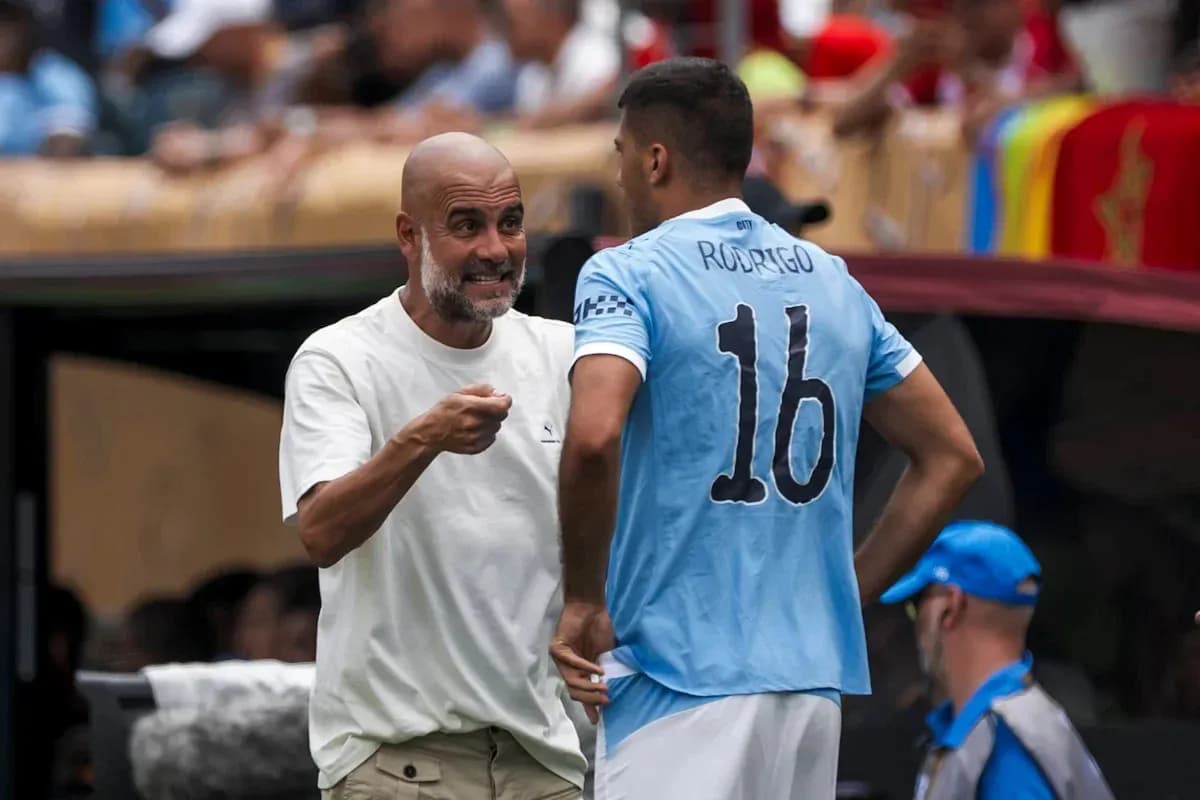
Rodri, now the heartbeat of Barcelona’s midfield, is the standard they lack. Madrid had the chance. They walked away.
A team that runs, not rules
The pattern has become familiar. Madrid lean on quick transitions, using space and chaos as a weapon to unleash their front line. When it works, it looks devastating. When it doesn’t, the flaws are glaring.
Opponents steal the ball back too easily, then turn Madrid’s looseness into danger of their own. Inter did it. Others have done it. Each time, Thibaut Courtois is forced into the role of firefighter, masking structural problems that trace back to one decision: they did not do everything possible to sign a controller of Rodri’s level.
Instead, the club preferred a more attack-minded profile in Bernardo Silva, a player Barcelona themselves chose not to take. The result? Madrid still ask Aurélien Tchouaméni, Federico Valverde and Eduardo Camavinga to build their play from deep, even though none of them offers Rodri’s blend of positioning, passing tempo and authority.
They are all elite in their own ways. None is that metronome.
So constructing attacks remains an unfinished job. The ball does not move with the same certainty through midfield. Phases of play feel improvised rather than orchestrated.
Makeshift ideas, temporary fixes
Mourinho has options, but not ideal ones. Arda Güler can drop in and help knit moves together. Trent Alexander-Arnold, if used inside, can offer distribution and range. On paper, those tweaks might patch up some of the gaps.
On the pitch, they still fall short of what a true specialist like Rodri brings. They are creative solutions, not definitive answers.
That is why, long before the winter window opens, Madrid have started to position themselves. The target is clear and familiar: Martín Zubimendi, the Arsenal midfielder they already chased in the summer.
This time, circumstances might help them.
Zubimendi’s shrinking role at Arsenal
In England, the predictions around Zubimendi’s future have started to pile up. The reason is there for all to see. His role at Arsenal has shrunk.
The Spaniard has begun all five of the Gunners’ official matches this season on the bench. Not one league or Champions League start. Just cameos, just fragments.
The clearest message arrived on the biggest stage. At the Diego Armando Maradona Stadium, in a Champions League clash with Napoli, Zubimendi watched almost the entire match from the touchline. He played just eight minutes.
This is not a sudden dip. The struggle for game time stretches back to the end of last season. In the Champions League final against Paris Saint-Germain, he did not feature in the regulation 90 minutes and only came on in extra time.
When he plays, he delivers. That has been the pattern. Yet Mikel Arteta continues to trust other players in his position. For a midfielder of his age and pedigree, that kind of marginalisation can start to bite.
A former Real Sociedad leader, now reduced to a rotation role.
Spain evidence strengthens Madrid’s case
Real Madrid’s admiration for Zubimendi is not built on potential alone. His performances for Spain have reinforced every internal argument in his favour.
When Rodri suffered a serious injury, Zubimendi stepped in and ran the national team’s midfield. The stage did not shrink him. He handled it.
He imposed himself in the biggest moments: the second half of the Euro 2024 final, extra time in the 2026 World Cup final. Under pressure, he showed the poise and clarity that Madrid currently lack at club level.
Those displays did not go unnoticed in the Bernabéu offices.
A big fee, but not a barrier
Arsenal paid 70 million euros to sign him last season and locked him into a contract until 2030. They invested heavily and planned long-term.
His market value, given the fee and his profile, should sit in a similar bracket now. That figure would allow Arsenal to recoup their outlay. For Madrid, it is not considered excessive, especially for a player who could anchor their midfield for years.
The operation will not be simple, though. Zubimendi will not be short of suitors.
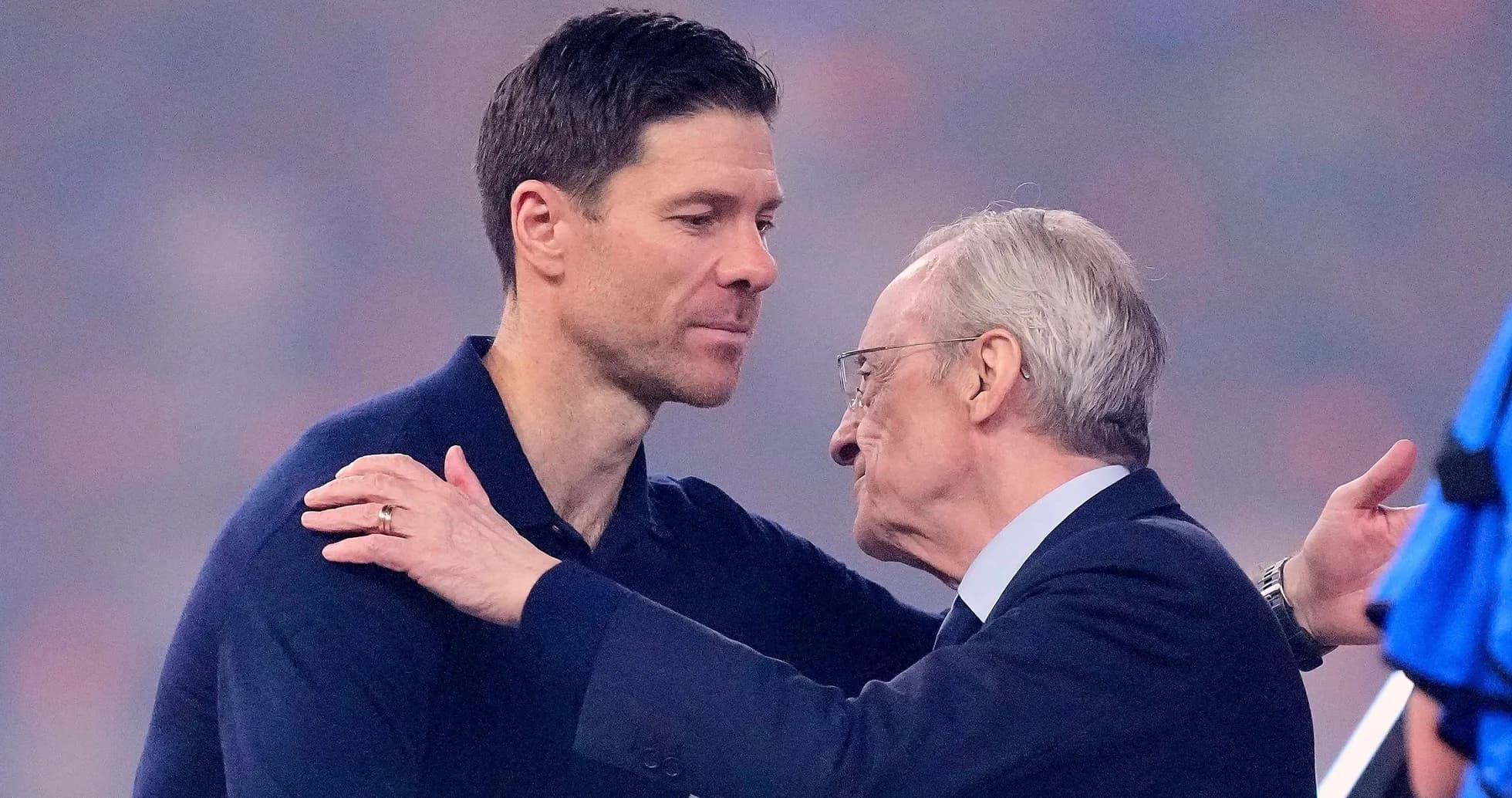
Chelsea are also in the race under Xabi Alonso, a coach who already wanted him when he was a candidate to take over at Real Madrid. On that occasion, Florentino Pérez chose not to move for him.
Now, with Rodri in Barcelona colours and Madrid still searching for a true controller, the question hangs over the club: can they afford to pass on Zubimendi as well?