.svg&w=384&q=75 "logo")
Pakistan Cricket Faces Major Overhaul Amid Criticism
The axe fell hard on Pakistan cricket this week, and the reverberations are still echoing.
Seven players cut from the Test squad. Sarfaraz Ahmed and Umar Gul removed from the coaching setup. White-ball specialists Mike Hesson and Ashley Noffke parachuted in to take charge of the red-ball side mid-series. All this on the eve of the third Test against England at Edgbaston, starting September 9.
It wasn’t a tweak. It was a clear-out.
The trigger was brutal. An innings-and-103-run defeat in the first Test, followed by a 194-run loss at Lord’s. Two heavy blows, and the Pakistan Cricket Board (PCB) responded with a sweeping reset.
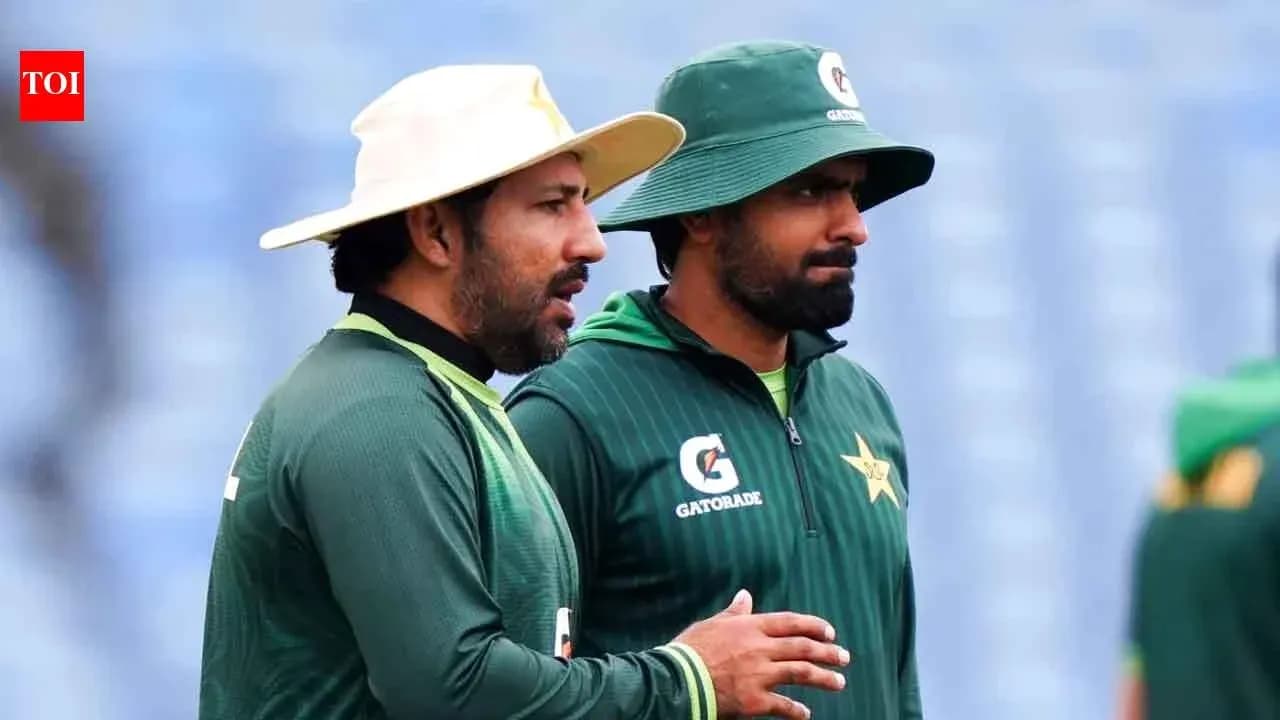
Mohammad Rizwan, Imam-ul-Haq, Salman Ali Agha, Ali Usman, Aamer Jamal, Awais Zafar and Khurram Shahzad were all released from the Test squad ahead of the third match. Sarfaraz, the former captain serving as head coach, and bowling coach Umar Gul were also moved aside, with Hesson and Noffke handed the reins for the remainder of the tour.
If the changes were meant to calm the noise, they have done the opposite.
Gohar Shah breaks ranks
Into this storm stepped Gohar Shah, the 31-year-old CEO of Multan Sultans, who decided he had seen enough to stay quiet.
Shah, who has played two first-class matches himself and now operates at the heart of Pakistan’s franchise scene, took to X with a long, unvarnished assessment of the state of the game in the country. He knew exactly what he was walking into.
"This may land me in hot water but I owe an honest assessment to Pakistan cricket. I was a fan before I was a stakeholder," he wrote, framing his comments as the product of years spent inside dressing rooms, PSL structures and PCB corridors.
From there, he went straight at the players’ professionalism.
Late nights, junk food and lost intensity
Shah painted a picture that will alarm anyone who still views Test cricket as the pinnacle.
"Late nights and junk food are common," he wrote, acknowledging the grind of long hotel stays and six-week tours, but insisting that the word "professional" has to mean something. The message was clear: standards, in his view, have slipped.
He then homed in on effort levels during the England series. The details were damning.
"No one wants to do the tough yards. It’s a mentality thing," he said, highlighting moments in the Test where, after long spells, Pakistan’s pace bowlers did not chase the ball to the boundary. "What are you saving your legs for? The test match ended in 2.5 days…"
In a format built on endurance and resilience, Shah was questioning whether Pakistan’s players are truly prepared to suffer for the shirt.
‘Job first, Pakistan later’
Shah did not stop with the dressing room. He widened his lens to take in almost every major pillar of Pakistan’s cricket ecosystem.
On the media, he accused journalists of pushing personal agendas and building narratives around players they favour or who "cater" to them more, suggesting that leaks, gifts and favours blur the line between coverage and influence.
Former players came under fire as well. Shah drew a sharp contrast between a handful who have earned coaching badges and qualifications, and the many who, in his view, find it easier to sit in television studios and "iterate the problems" without stepping into roles where they could implement solutions.
"No one presents the solutions nor goes out there and gets the experience / qualifications to contribute," he wrote, challenging ex-cricketers to move from commentary to commitment.
Then came his assessment of the PCB itself, and it cut deep.
"The board is too bureaucratic. Everyone fears to speak their mind because they worry about backlash and their jobs," he observed, describing a culture in which self-preservation trumps honest debate. The phrase that hung over that section of his post was stark: job first, Pakistan later.
He added that there are people inside the system who genuinely want to help, but after watching their efforts go nowhere, they simply "stop trying and just settle for their paycheck."
PSL structure under the microscope
Shah then turned to the Pakistan Super League, a competition often hailed as one of the country’s great success stories. He argued that, structurally, it gives franchise owners little incentive to invest deeply in long-term growth.
"10 year lease, you grow the brand, only to give it back to the PCB. So why would you grow if you see none of the benefit? Only the bills," he wrote.
It was a blunt challenge to the model: why pour money, time and energy into building a powerful franchise identity if, at the end of a decade, the asset returns to the board?
He also criticised retention rules and category changes, claiming that owners who invest in players and talent hunts often lose those very assets because of regulations and "agenda driven" category shifts. For franchises that see themselves as talent incubators, that is a direct hit to their competitive and commercial plans.
Criticism with a heartbeat
For all the sharp edges in his post, Shah did not position himself as an outsider taking pot-shots. He signed off as someone still emotionally tied to the fate of Pakistan cricket.
"Pakistan cricket will always be in my heart. Pray for us to go back to being the best. Not just good or competitive, but the best."
It was a line that captured the tension at the core of this moment: a proud cricket nation, reeling from heavy defeats, tearing into itself in search of answers.
The PCB has made its move with a dramatic mid-tour overhaul. Voices like Shah’s are demanding that the changes cut deeper than a new coach here and a dropped player there.
The question now is whether Pakistan treats this as another fleeting crisis, or the jolt that finally forces its cricket culture to match its talent.