.svg&w=384&q=75 "logo")
Pacific Division Overview: Shifting Power Dynamics
The Pacific Division used to start in the same place every year: with LeBron James and the Los Angeles Lakers.
That era is over.
LeBron is gone, the division’s balance of power has shifted, and four other franchises smell opportunity. The Warriors are trying to squeeze one more serious run out of Stephen Curry. The Suns look like a program on the rise. The Clippers have ripped up the old script. The Kings, stubbornly, are waiting for clarity that never seems to arrive.
This is a division in flux, with no obvious heavyweight and plenty of ambition.
Golden State Warriors: One more push with Curry
Golden State’s season unraveled the moment Jimmy Butler went down. A year that began with playoff expectations ended at 37-45 and a play-in cameo, salvaged mostly by another strong campaign from Stephen Curry.
The front office’s response was restrained. No big-name veteran arrived to slam the window open again. Instead, the Warriors are betting that energy and edge can come from an unlikely source: a 23-year-old rookie.
Yaxel Lendeborg, fresh off a title run at Michigan, headlines the additions. He’s not a typical first-year flyer. He’s older, battle-tested in college, and carries himself like someone who expects to play real minutes. Golden State needs that. The roster has leaned on the same core for years; the legs are older, the margin thinner.
Georges Niang and Brandon Williams join Lendeborg as the new faces. Seth Curry, Quinten Post and Pat Spencer depart. It’s not a seismic shakeup, more a reshuffling around Curry and Butler.
So the equation is brutally simple. If Butler’s knee responds and he resembles the two-way force Golden State thought it was getting, and if Curry can still reach that All-NBA gear, the Warriors are right back in the postseason fight. Maybe more.
If not, this could be the year the dynasty era finally feels distant, not just delayed.
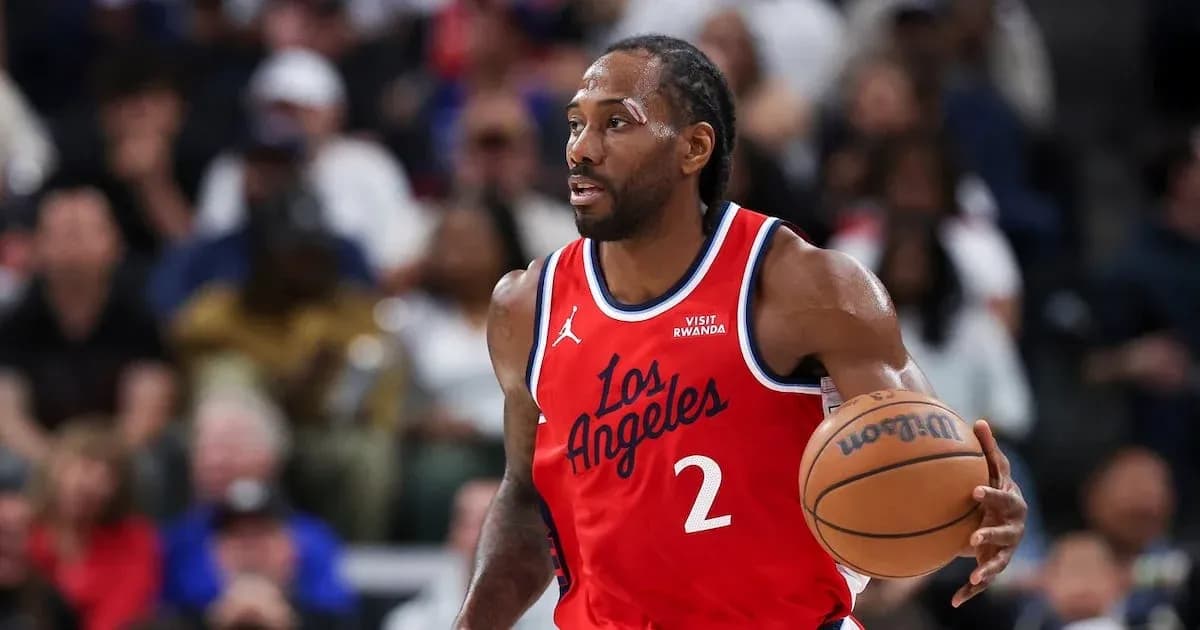
LA Clippers: Life after Kawhi
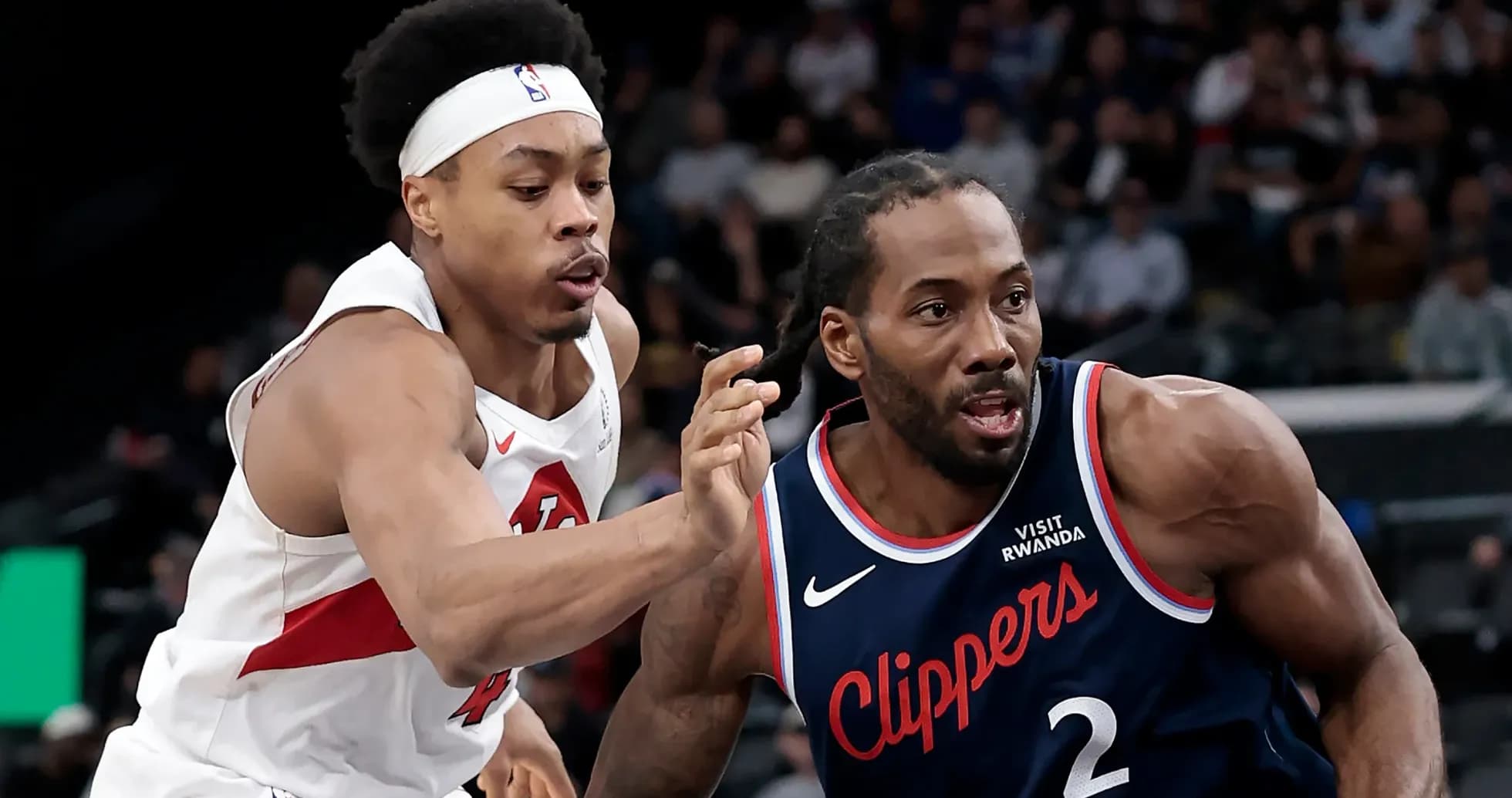
For the Clippers, last season offered a tease. Kawhi Leonard stayed as healthy as he had in years, they went 42-40, and they reached the play-in. Then came the hard choice.
They traded Leonard to the Raptors and chose to reset.
The new story starts in the backcourt. Keaton Wagler, a standout at Illinois, arrives as the first-round pick and the symbol of a fresh direction. Combo guards often struggle to translate college dominance to the NBA. The Clippers are betting his skill set, pace, and confidence will survive that jump.
They haven’t left him alone.
Brandon Ingram, Rui Hachimura and Max Strus arrive to steady the wing rotation and provide scoring and spacing. Johni Broome, Nick Martinelli and Baba Miller deepen the frontcourt. Nicolas Batum, Bogdan Bogdanović, John Collins, Kawhi Leonard and Bennedict Mathurin are out. This is a different team, in both personality and hierarchy.
The West, though, offers no soft landings. The conference remains stacked at the top, and at least half a dozen teams can plausibly claim to be better than they were a year ago. The Clippers are trying to jump into that traffic with a group that has never played together.
Their best hope sits in the backcourt. Darius Garland, now in line for his first full season with the club, finally gets continuity and a young partner in Wagler. That pairing can run, shoot and create, and it gives the franchise a clear long-term identity.
The Leonard era ended without the deep playoff run the Clippers once imagined. The Wagler–Garland era begins with fewer guarantees, but a cleaner, younger slate.
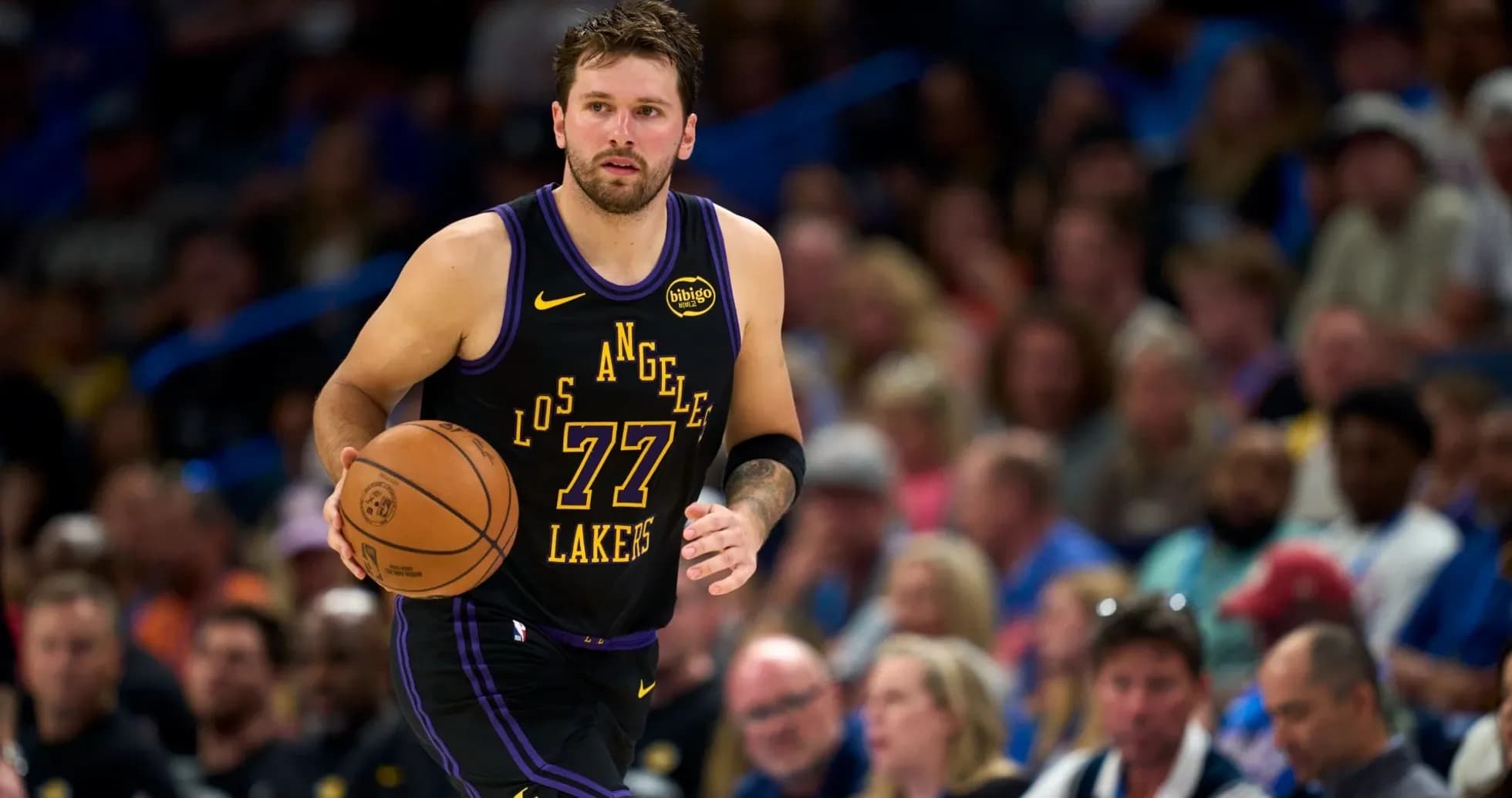
Los Angeles Lakers: Luka’s team now
The Lakers survived last season more than they thrived through it. They lost Luka Dončić and Austin Reaves for stretches, juggled lineups, and still found a way to 53 wins and a second-round appearance.
Now, the headliner who defined the franchise for years is gone. LeBron James exits, and the franchise does what it always seems to do: hand the keys to another superstar.
This is Luka’s show.
Dončić alone keeps the Lakers on national television and in every postseason conversation. His usage, his control, his late-game command — all of it will define who the Lakers are. But the front office knows star power only goes so far without a spine around it.
That’s where the summer’s real work took place.
Walker Kessler arrives via sign-and-trade from Utah and immediately becomes central to the plan. He and Reaves both landed significant extensions, and both sit at the heart of this next phase. If Kessler stays healthy, the Lakers finally have the rim-running, shot-blocking, soft-handed center tailor-made for Luka’s passing genius. Lobs, pocket passes, second chances — that partnership could become the team’s nightly engine.
Around them, the Lakers stacked the perimeter with options: Cameron Carr, Quentin Grimes, Jaden Hardy, Collin Sexton, Matisse Thybulle and Ziaire Williams. Kevon Looney and Sandro Mamukelashvili add depth up front. Deandre Ayton, Rui Hachimura, Jaxson Hayes, Luke Kennard, Maxi Kleber, Marcus Smart, Nick Smith Jr. — and, of course, LeBron — are gone.
It’s a different locker room, but the expectations haven’t moved.
If Sexton can stay on the floor and bring his trademark scoring jolt, if Reaves continues his upward climb, if Kessler anchors the paint, the Lakers don’t just stay in the Western mix. They become the kind of team nobody wants to see in May, with a superstar who bends every defensive scheme.
LeBron’s shadow will linger. Luka has the talent to step out of it quickly.
Phoenix Suns: A project ahead of schedule
Phoenix didn’t just beat projections last season; it shredded them. The Suns lost Kevin Durant and Bradley Beal and still went 45-37, then pushed their way into the playoffs. For a team that had been written off as a rebuild-in-progress, that mattered.
What followed this summer looked less like tinkering and more like consolidation.
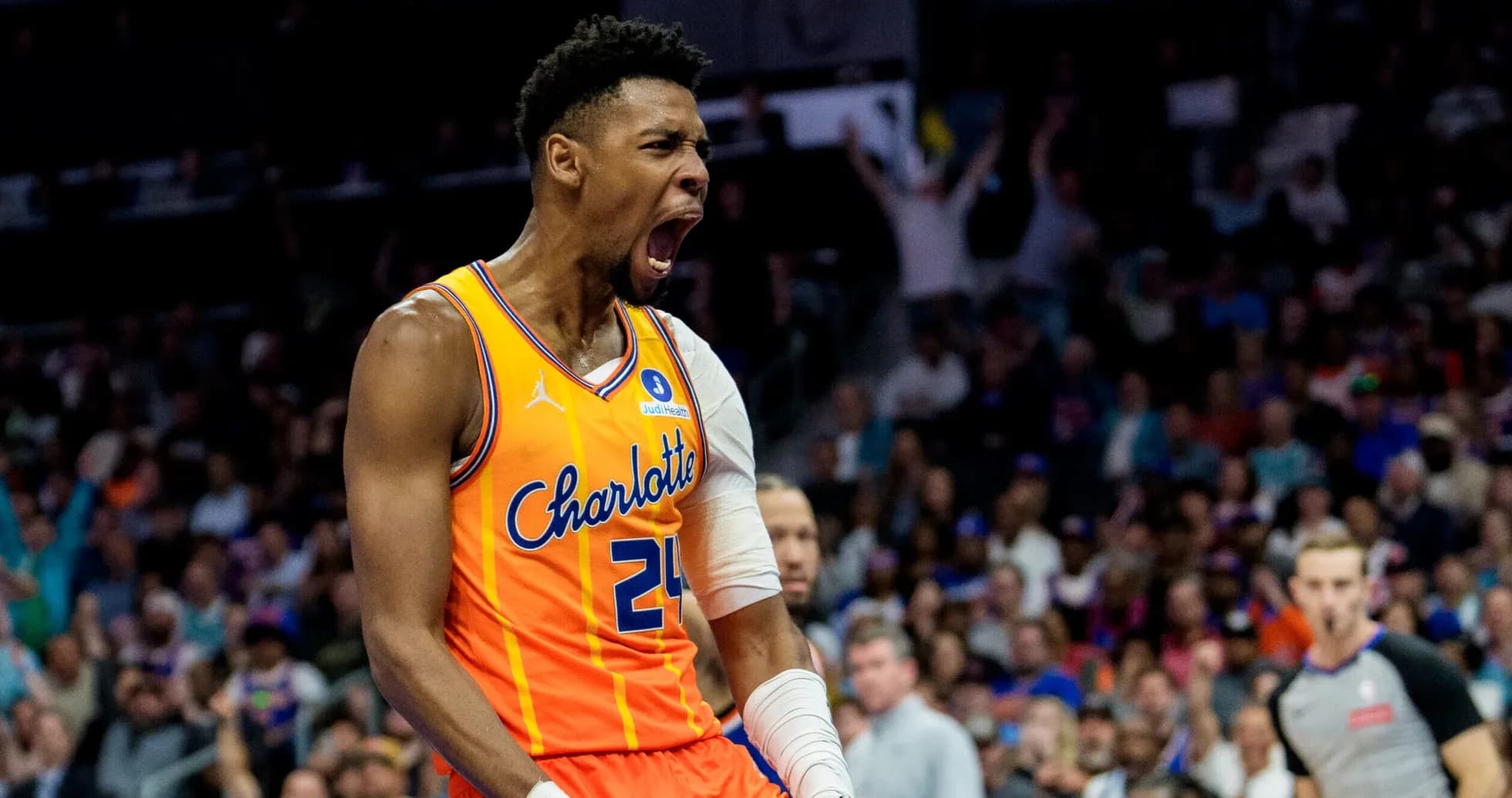
Under GM Brian Gregory and coach Jordan Ott — both installed during last season’s housecleaning — the Suns moved with clarity. They identified the core that overachieved and doubled down on it. Dillon Brooks, Collin Gillespie, Mark Williams and Jordan Goodwin, all coming off career years, received extensions. Those deals do more than reward production; they lock in the supporting cast for the remainder of Devin Booker’s prime.
Booker finally has continuity around him.
But Phoenix didn’t stand pat. They added Miles Bridges, a proven 20-point scorer who can carry offense in stretches and ease Booker’s nightly burden. Luke Kennard steps in as the new designated sniper, replacing Grayson Allen and keeping the floor spaced. Koa Peat, a powerful rookie forward, brings muscle and size to a front line that needed more bite.
Grayson Allen, Amir Coffey and Royce O’Neale exit, but the structure looks stronger.
This doesn’t feel like a one-year surprise anymore. The Suns have a defined hierarchy, a coach and GM aligned in vision, and a roster built to compete now and grow with Booker. The West will punish any slippage, yet Phoenix’s transformation has momentum — and no obvious reason to slow.
Sacramento Kings: Waiting on a direction
Sacramento’s season was brutal. Twenty-two wins, 60 losses, and no postseason. The search for a new identity and new leadership never really found an answer.
You’d expect sweeping changes after that kind of year.
They didn’t come.
The Kings added Darius Acuff Jr., Alex Karaban, Emanuel Sharp and Ben Simmons. They moved on from Devin Carter, DeMar DeRozan, Drew Eubanks, Killian Hayes, Doug McDermott and Russell Westbrook. On paper, that’s turnover. In spirit, it feels more like a light edit than a rewrite.
Zach LaVine remains the offensive focal point, at least for now. He’s entering the final year of his contract, and the same is true for De’Andre Hunter, a capable two-way wing who arrived from Cleveland. Both could be central pieces, both could be trade chips, both could be gone a year from now.
The real tension sits with LaVine and Domantas Sabonis. Their futures will dictate everything. Do the Kings finally commit and build around them, or do they break it apart and chase a different path? For now, the franchise seems content to let the clock tick toward 2027 before making that call.
In a division reshaping itself around bold moves and new eras, Sacramento has chosen patience. Or hesitation.
Soon enough, the standings will force them to decide which.