.svg&w=384&q=75 "logo")
Martin Odegaard's Impact on Arsenal's Success
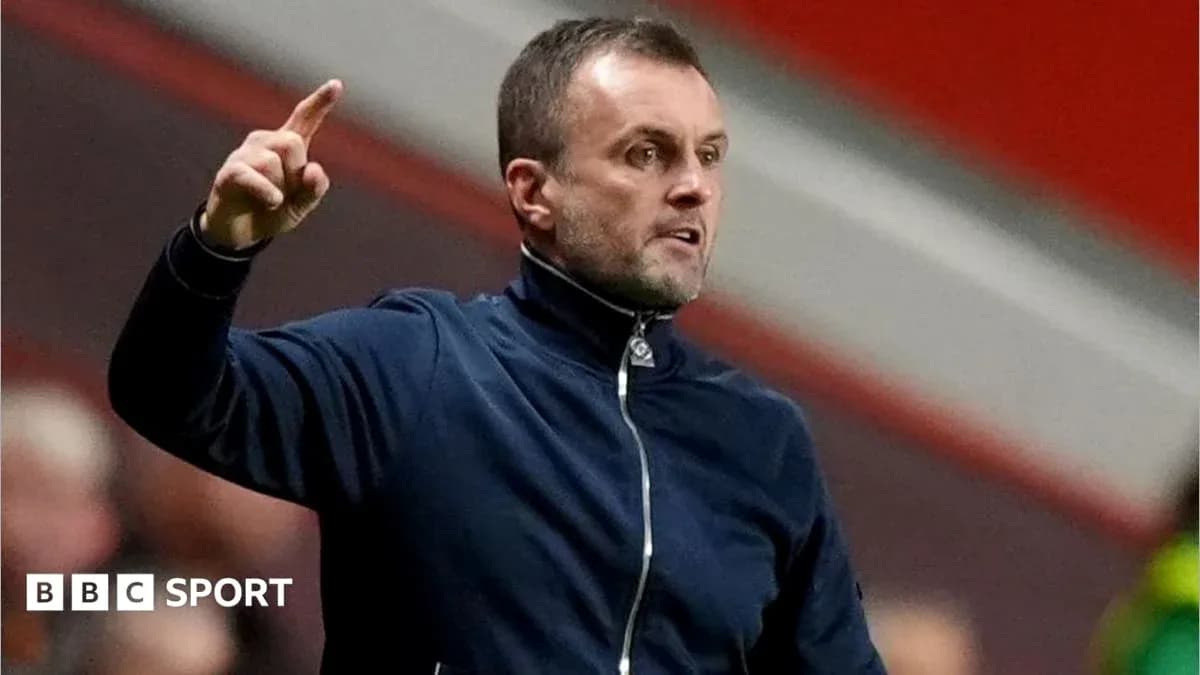
Arsenal are passing every examination placed in front of them right now, and at the centre of it all stands Martin Odegaard, playing with the authority of a captain who knows this might be his season.
The Norwegian has always had the touch, the vision, the elegance. What has changed is the weight of his influence. Matches are bending to his tempo. When Arsenal need calm, he slows everything down with a simple angle pass or a disguised switch. When they need urgency, he injects it with a first-time ball between the lines or a snap shot from the edge of the box. The numbers tell one story; the way opponents now react to him tells an even louder one. Full-backs step out too early, midfielders get dragged into traps, centre-backs hesitate for a fraction. That fraction is where Odegaard lives.
This is what Arsenal have been searching for in the post-Wenger years: a player who doesn’t just fit the system but defines it. Under Mikel Arteta, the team have learned to suffer, to grind, to win ugly when required. They have also learned to win because one player decides that drifting through a game is no longer acceptable. Odegaard presses like a man insulted by the idea of being labelled a luxury No. 10. He snaps into tackles, leads the press, and then, when he gets the ball back, has the composure to pick the right option almost every time.
Arsenal’s season so far has thrown up different kinds of tests. Tight away grounds where the crowd senses vulnerability. Big-six clashes where a single mistake can flip the title narrative overnight. European nights that demand maturity as much as flair. Each time, they have found a way through, and each time Odegaard has been somewhere near the heart of the solution — either with the final pass, the disguised run, or the simple act of demanding the ball when others are tempted to hide.
There is a steeliness about this Arsenal side now. They manage moments better. They know when to slow the game, when to raise the tempo, when to take the sting out of a counter-attack with a tactical foul. That doesn’t happen by accident. It comes from a group that has grown together and a leader on the pitch who sees the whole picture a second earlier than most. Odegaard’s body language tells its own story: constant scanning, constant pointing, constant talking. Not the arm-waving of frustration, but the controlled urgency of someone directing traffic in a storm.
What makes this version of Arsenal so dangerous is the balance between structure and improvisation. Arteta’s patterns are clear, but within them Odegaard is allowed to roam into pockets, drag markers away, and open corridors for others. Wingers profit, full-backs arrive late, midfield runners burst through gaps that did not exist until he shifted a defender half a step. When he drifts into the right half-space, you can almost feel the collective intake of breath. Everyone in the stadium knows something is coming; stopping it is another matter.
There will be bigger hurdles ahead. Title races tighten, injuries strike, form dips, pressure mounts. That is the nature of a long season. Yet Arsenal now look like a team that expects to cope with all of it, rather than hoping to. That mindset often flows from the captain. Odegaard is not the loudest voice in the room, but he is the clearest on the pitch. Right now, he is not just in the form of his life; he is dragging Arsenal towards the version of themselves they have been chasing for a decade.
If he sustains this level, the question will not be whether Arsenal can pass the next test. It will be how many trophies they can collect while their conductor plays at this peak.