.svg&w=384&q=75 "logo")
Mikel Arteta Calls for Larger Matchday Squads in Premier League
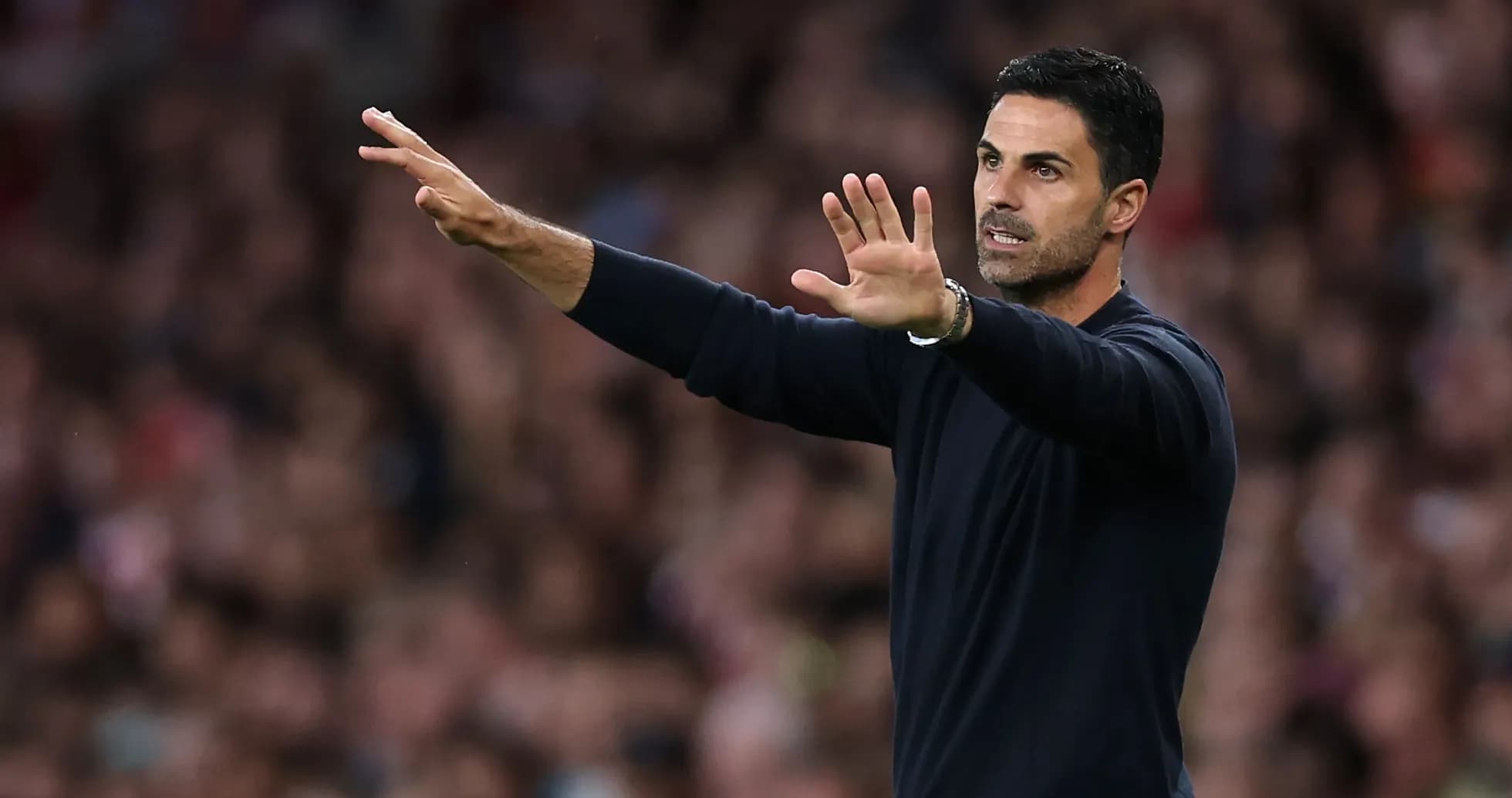
Mikel Arteta is tired of leaving good players at home. Now he wants the Premier League to help fix it — immediately.
On the eve of Arsenal’s clash with Aston Villa, the Spaniard renewed his plea for bigger matchday squads, urging league officials to act this season in the name of what he calls “player welfare”.
Right now, managers can name nine substitutes, an increase brought in during the Covid-19 era. Arteta wants more. Not for tactical luxury, he insists, but to stop fit, first‑team footballers from being cut out of the matchday altogether.
This is not a theoretical gripe. Arsenal’s depth means high‑profile names such as Gabriel Martinelli and Gabriel Jesus have already found themselves omitted from squads. For a modern elite footballer, that is a brutal experience: no dressing room, no warm‑up, no bench, just a television and a sense of exclusion.
“That is why I have been begging Premier League officials to extend those numbers just for the safety of the players, which is the most important thing,” Arteta said, making clear this is a long-running campaign, not a passing irritation.
He believes the current rules are out of step with the demands placed on top clubs, who juggle domestic fixtures with intense international calendars.
“I think every team needs more than 20 players on the pitch, ideally, to maintain the level of demand in the international matches we face, but these are the rules, and within these rules, we have to play,” he continued.
The tension lies in the human side of those rules. Arteta knows every omission requires a conversation, and those conversations wear on him. These are not academy prospects on the fringes of the group. These are senior professionals who expect to be part of the matchday, even if they do not start.
“We need to be very close to the players to explain those situations in the right way, so that everyone feels their importance, because they will indeed be important,” he said.
The emotional cost is clear. Players want to travel, to sit in the dressing room, to feel the rhythm of the day. Being told to stay at home can feel like a verdict on their status.
“The question should be put to the players more than anyone else,” Arteta argued. “What do they want? If they say: no, I would rather stay at home, then we will have a problem because they will not like what they are doing.”
Arteta is convinced he already knows the answer.
“I am sure that if you ask the players, everyone would want to be part of the team on matchday, otherwise you would have to tell one of them that he is not even part of the matchday squad. That is extremely hard. And it will not benefit anyone.”
For him, the damage runs through every layer of the club. A player left out cannot build rhythm, cannot be judged fairly, cannot feel truly involved.
“This does not benefit the club, nor does it benefit the assessment of the player, nor does it help them feel part of it. In my opinion, it is a real problem and it has a very simple solution,” he said.
The solution, in his eyes, is obvious: lift the cap, let managers name more substitutes, and stop turning matchday into a zero-sum game for squad morale.
The ball now sits with the Premier League.