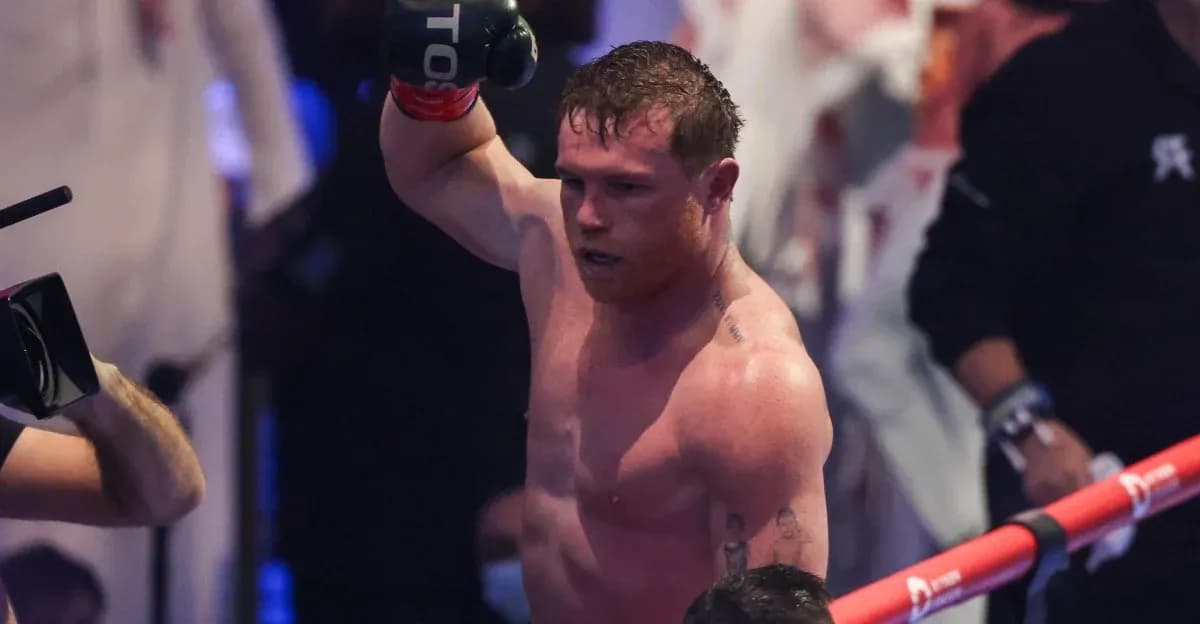
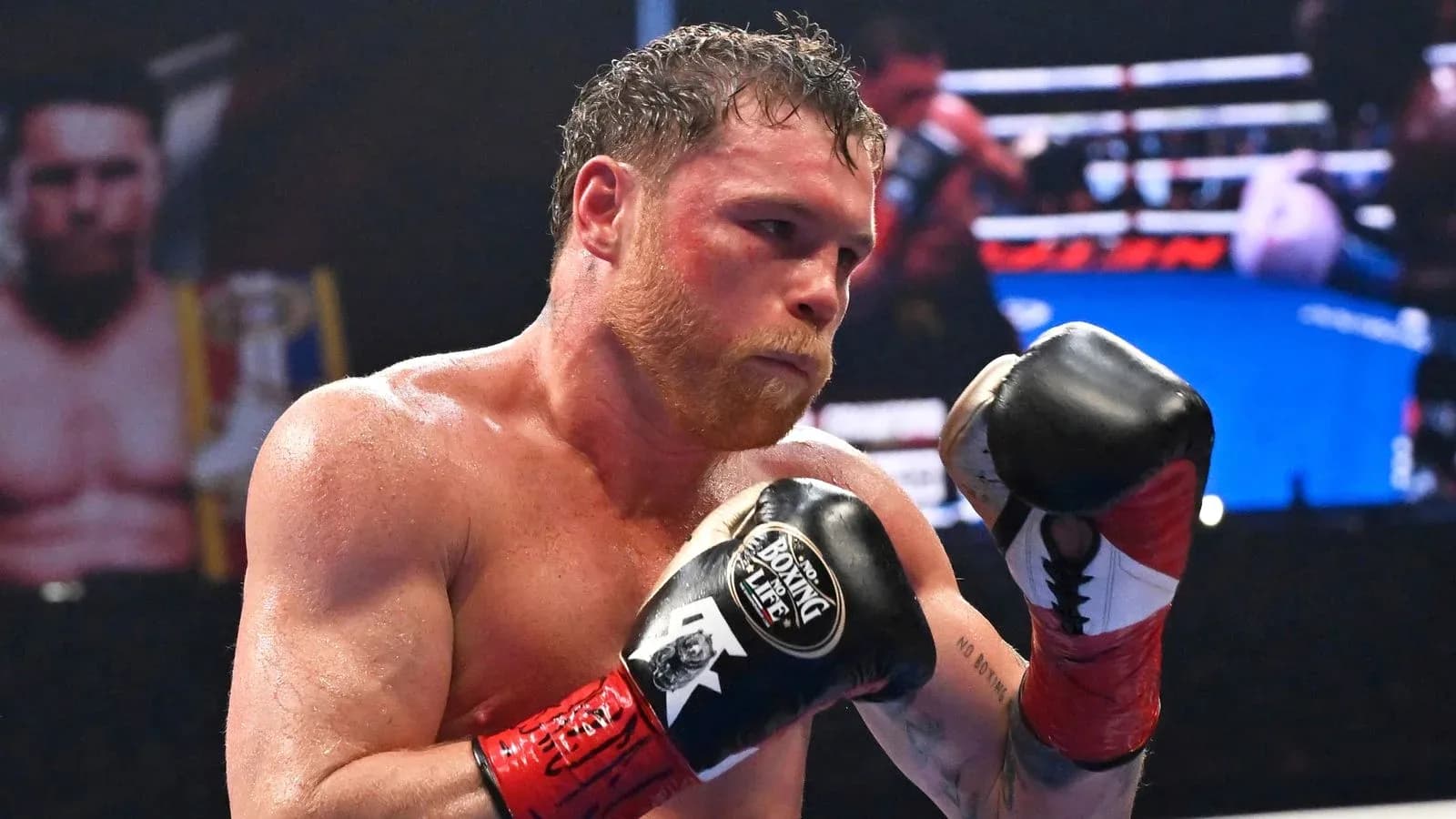
Mbilli vs Alvarez: WBC Super-Middleweight Title Fight in Riyadh
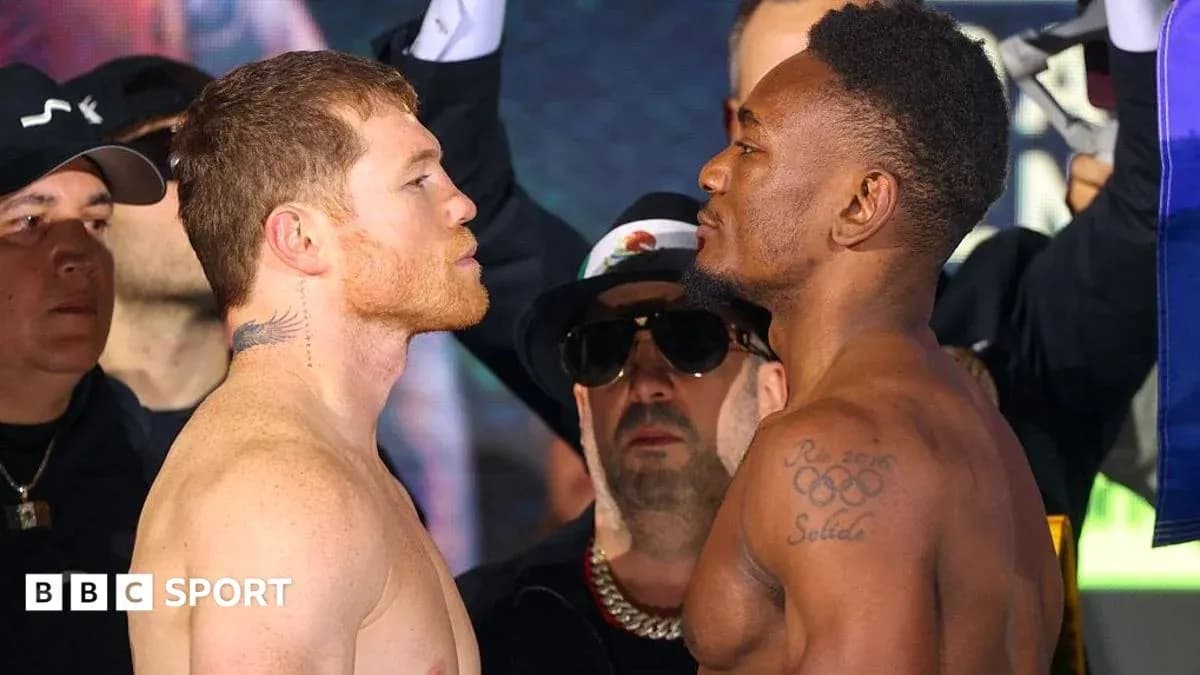
In a city living under the arc of intercepted missiles, Christian Mbilli and Saul “Canelo” Alvarez stepped onto the scales and did what fighters always do. They made weight. They stared each other down. And they tried to shut out everything else.
Both men came in at 12st (76kg) in Riyadh, ticking off the final formality before Saturday’s WBC super-middleweight world-title fight, a bout that goes ahead less than two days after two ballistic missiles were shot down over the Saudi capital.
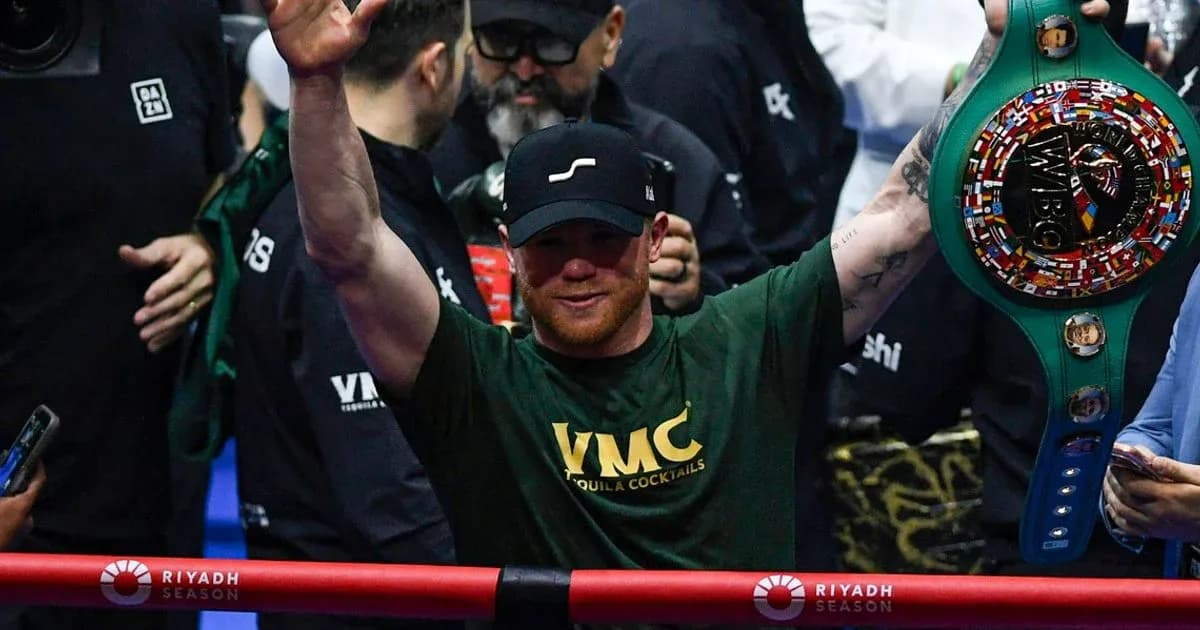
Mbilli, 31, was elevated to WBC champion in January and now walks into the most significant night of his career with a belt to protect and a legend in front of him. Across from him, Alvarez – 36 years old, 68 fights behind him, 21 years as a professional – looked as if he had seen it all before. Because he almost has.
The face-off was tight, charged, but never ugly. No shoving, no theatrics. Just two men locking eyes, knowing what waits under the lights.
For Alvarez, the stakes are personal as much as professional.
“This is very important for me, I've been doing this for 21 years and won my first world title 16 years ago. It's important for me to win a title again,” he said, the weight of his own history as heavy as any belt.
Then came the edge that has carried him through a career at the very top.
“My experience is different, he hasn't faced anyone like me and I'll teach him tomorrow.”
Mbilli, the newer name at this level, brings youth, momentum and a fresh champion’s hunger. Alvarez brings everything else: experience, ring craft, the scars of countless big nights. The clash is as much about eras as it is about styles.
All of it unfolds against a backdrop that would be unthinkable for most major sporting events.
In recent weeks, doubts have circled over whether the fight could safely take place at all, with tensions rising between Saudi Arabia and Yemen's Houthi movement. The UK's Foreign, Commonwealth and Development Office currently advises against all but essential travel to the whole of Saudi Arabia, a rare and stark warning for a country hosting a global boxing showcase.
On Thursday, the Saudi Press Agency reported that Civil Defence forces had intercepted two ballistic missiles over Riyadh. Falling shrapnel caused damage to a house and a vehicle; a civilian suffered a minor injury. Earlier in October, a missile strike on Riyadh's King Khalid International Airport killed 13 people and wounded more than 300.
Those numbers hang in the air far beyond the ring walks and pyrotechnics.
Travel plans for fans, media and officials have been tangled by restricted access to the airport, turning what is usually a routine pilgrimage to a big fight into a logistical puzzle, shadowed by security concerns.
Yet the show goes on. It almost always does in boxing.
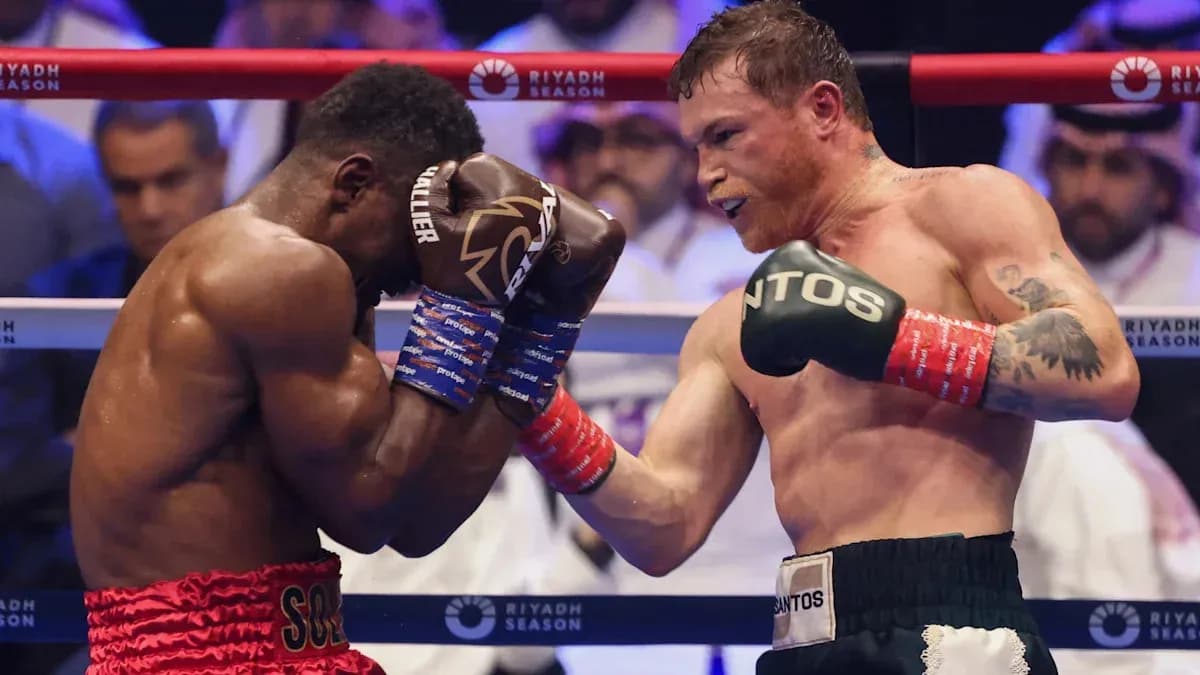
On Saturday night, as the arena fills and the noise builds, Mbilli will try to prove that his rise is no temporary surge, that the belt he holds is not on loan from the old order. Alvarez will attempt to show that his time at the summit is not over, that the instinct and authority that made him a multi-division star still live in his gloves.
Outside, a city measures risk and resilience. Inside, two men boil it all down to something brutally simple: one champion walks out with the WBC super-middleweight title. One does not.