Canelo Álvarez Reclaims WBC Title in Riyadh Showdown
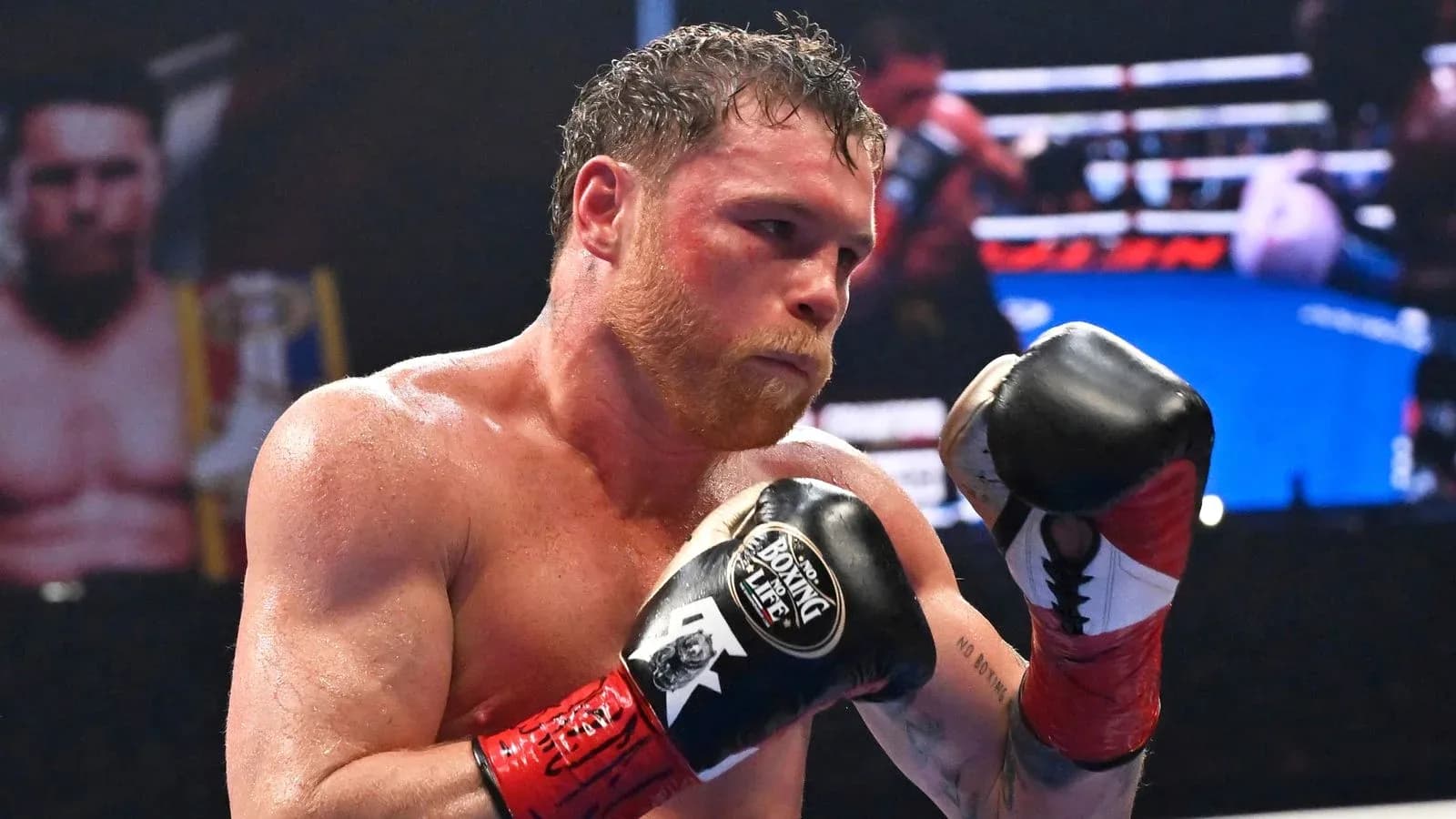
Saúl “Canelo” Álvarez walked back into boxing’s most dangerous neighborhood on Saturday night and took his old belt off the new man’s shoulder.
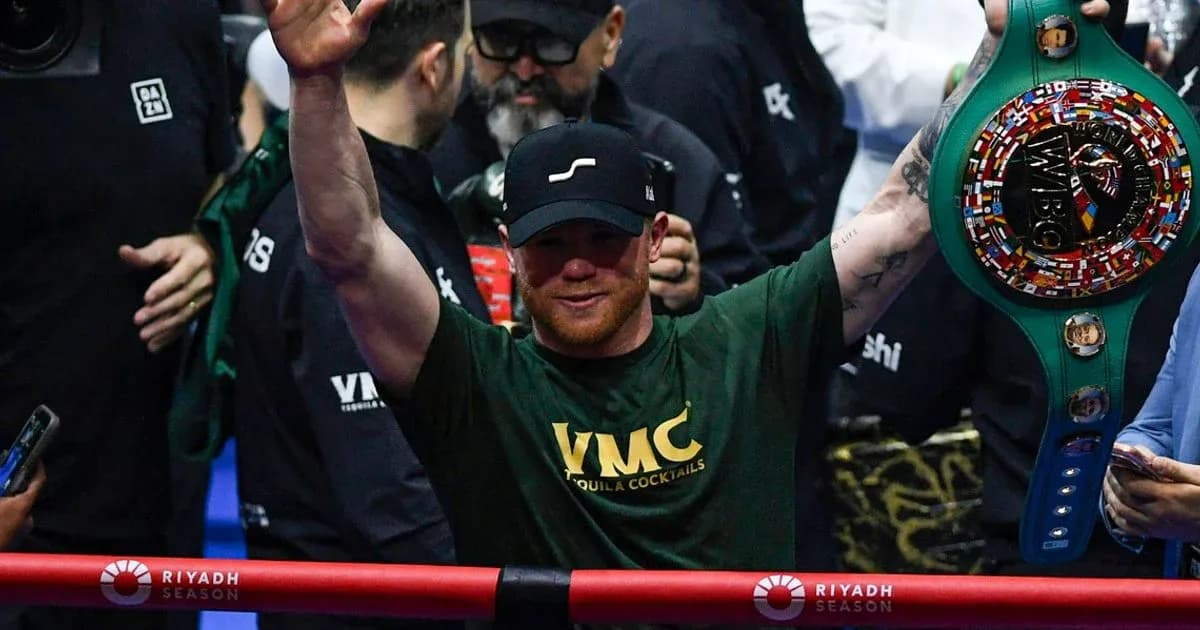
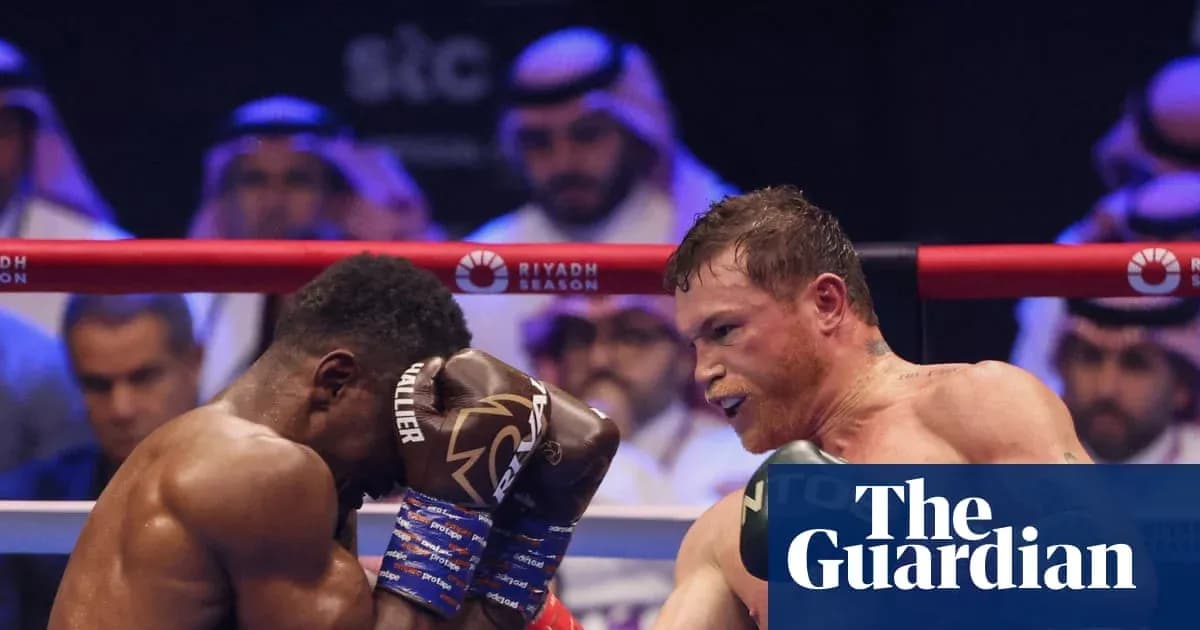
In a city on edge, under a sky that has recently seen missiles rather than fireworks, the Mexican reclaimed the WBC super‑middleweight title with a unanimous decision over the previously unbeaten Christian Mbilli at Kingdom Arena in Riyadh.
A title reclaimed, a point made
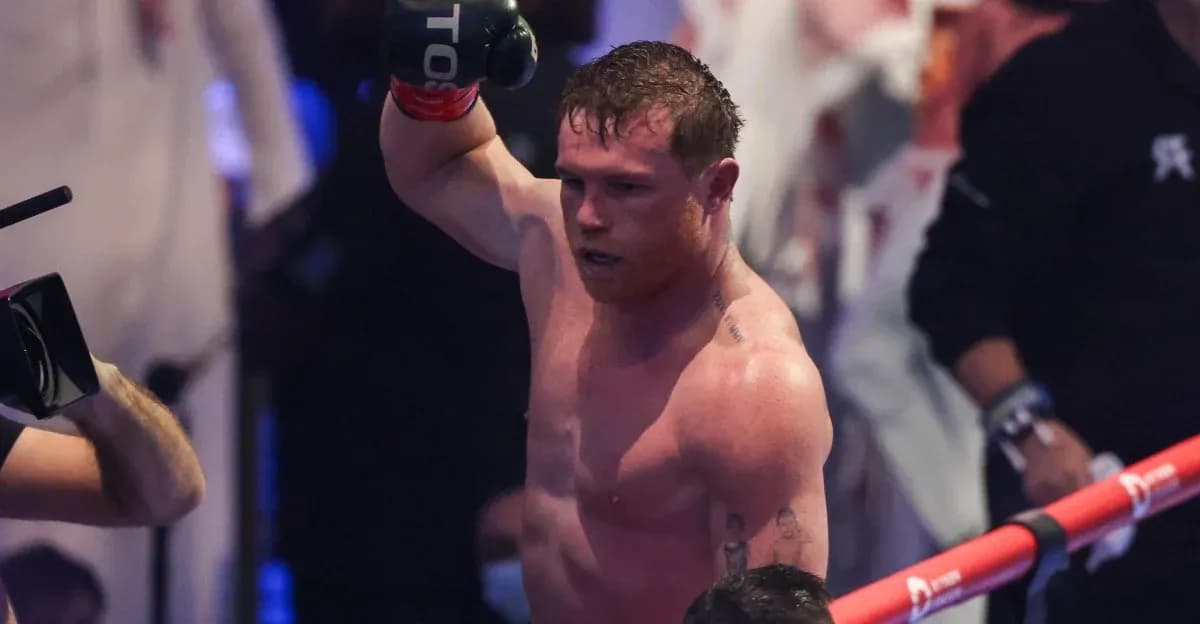
The scorecards told the story of control rather than chaos: 115-112, 116-111 and 117-110 to Álvarez, with ringside observers broadly in agreement. After more than a year out, at 36, with questions swirling after his defeat to Terence Crawford in 2025, he did not just win. He reasserted his place among the sport’s elite.
“It’s something unbelievable. It feels like my first title,” he said, switching into English to mark the occasion. “Now, after 21 years as a professional, 16 years ago I won my first title. Now I won that title again. I’m so proud of my team.”
The numbers on his record now read 64 wins, three defeats and two draws. The belt on his shoulder is familiar. The circumstances were anything but.
A fight staged in a tense city
Riyadh has grown used to staging heavyweight nights, but this one arrived under the shadow of real conflict. The bout went ahead despite a week of heightened security in the Saudi capital, after the Saudi-led coalition said it had intercepted missiles and drones launched by Iran-aligned Houthi forces.
Several high-profile events in the kingdom were cancelled or postponed, including the Six Kings Slam tennis exhibition. Commercial airlines pulled back, flights were suspended, and three weeks earlier a missile strike on King Khalid International Airport had killed at least 12 people and wounded more than 300. A second projectile hit a passenger terminal the following day.
Boxing stayed. More specifically, Canelo stayed.
Turki al-Sheikh, the chairman of Saudi Arabia’s General Entertainment Authority and the architect of the country’s boxing boom, revealed that Álvarez had personally vowed to see the fight through regardless. “Canelo reached out and told me he’ll still fight in Riyadh this October, no matter what happens,” Al-Sheikh wrote on social media. “He fears nothing.”
Álvarez hinted at the cost of that decision without spelling it out. “I also want to thank my family, who are watching me from afar today for the first time,” he said in Spanish. “My siblings, my parents, my daughters, my son, and my wife – who also couldn’t make it due to certain circumstances.”
He left the “circumstances” hanging in the air. Everyone in the arena knew what he meant.
Mbilli brings the storm, Canelo brings the answers
Inside the ropes, the danger came from a different direction. Mbilli, 31, Cameroon-born but fighting under the French flag, arrived as the man who had inherited Álvarez’s old belt in the wake of Crawford’s move out of the division. Elevated from interim to full WBC champion, he brought a record of 29 wins and one draw and a reputation for relentless pressure.
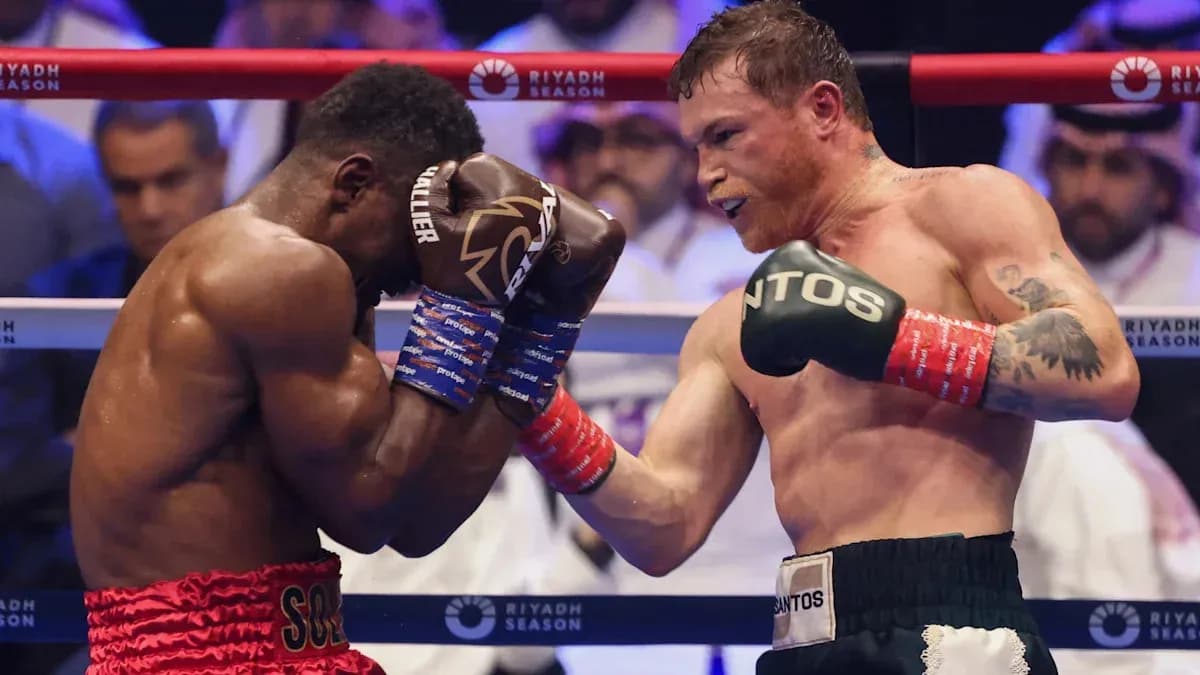
He fought to that billing from the opening bell. Mbilli tried to unsettle Álvarez with volume and aggression, marching forward, letting his hands go, forcing the older man to work at a pace he has not always enjoyed in recent years.
The problem for the champion was that the cleaner work came the other way.
Álvarez settled into the fight with the calm of a man who has seen this pattern before. He dipped, slid and answered with his trademark counters, digging precise shots into the body, picking his moments upstairs. The more Mbilli poured forward, the more the Mexican veteran began to read him.
The turning point came in the seventh. The pressure that Mbilli had been so proud of finally left him exposed, and Álvarez threaded a sharp uppercut through the middle. It staggered the champion, snapping his head back and briefly freezing his legs. For a few seconds the roar inside Kingdom Arena sounded like the old Canelo nights in Las Vegas.
Mbilli survived, showed heart, and kept coming. But the dynamic had shifted. Each round after that felt like a chase he could not quite catch.
From Crawford defeat to Riyadh redemption
This was not just another title win. It was a response.
In September 2025, Terence Crawford had outpointed Álvarez by unanimous decision, handing him only the third defeat of his professional career and stripping him of his undisputed super‑middleweight crown. The aura of invincibility, the grip on all four major belts, the sense that he was the immovable figure at 168lbs – all of it had gone.
Questions followed: age, miles on the clock, the strain of moving up and down the weights. Had the sport finally caught up with him?
On Saturday, in a ring framed by security concerns and political tension, Álvarez answered in the way fighters have always answered. He took the most dangerous available opponent, a younger, unbeaten champion on a 29-fight winning streak broken only by a split draw with Lester Martínez, and beat him clearly.
Mbilli leaves Riyadh with the first loss of his career, his record now stained but hardly diminished. He pressed, he threw, he refused to fold. On another night, against another man, that might have been enough.
Against this version of Canelo, it wasn’t.
Saudi Arabia’s gamble and boxing’s new geography
The backdrop to it all was Saudi Arabia’s broader sporting gamble. Under Al-Sheikh, the kingdom has become a dominant force in professional boxing, luring some of the sport’s biggest names with financial muscle and a promise of grand stages.
That rise has come with scrutiny – over human rights, over accusations of sportswashing, over the ethics of shifting the sport’s center of gravity to Riyadh. The recent missile strikes and the week of tension before this fight added another layer: the risk of staging major events in a region where geopolitical fault lines run close to the surface.
The show went on. The arena filled. The cameras rolled. The champion returned.
Álvarez, who insisted he was there because he still “loves boxing” and enjoys it, left with his belt back around his waist and his status restored. The kingdom left with another marquee night banked, its sporting project intact despite the sirens and the headlines of recent weeks.
The question now is not whether Canelo Álvarez still belongs at the top of the super‑middleweight division. He answered that under pressure, in a tense city, against an unbeaten champion.
The question is who dares to walk through that Riyadh ring next, and whether anyone can take the belt off him the way he just took it back.