Canelo Alvarez Reclaims Title in Riyadh Amidst Tensions
In a city on edge, with missiles intercepted in the skies and high-profile events scrapped, Saul “Canelo” Alvarez walked into a ring in Riyadh and did what he has done for more than two decades: he fought like a man who still needs boxing more than boxing needs him.
Twenty-one years as a professional. Hundreds of millions in the bank. A legacy already inked among the greats. None of it dulled the edge.
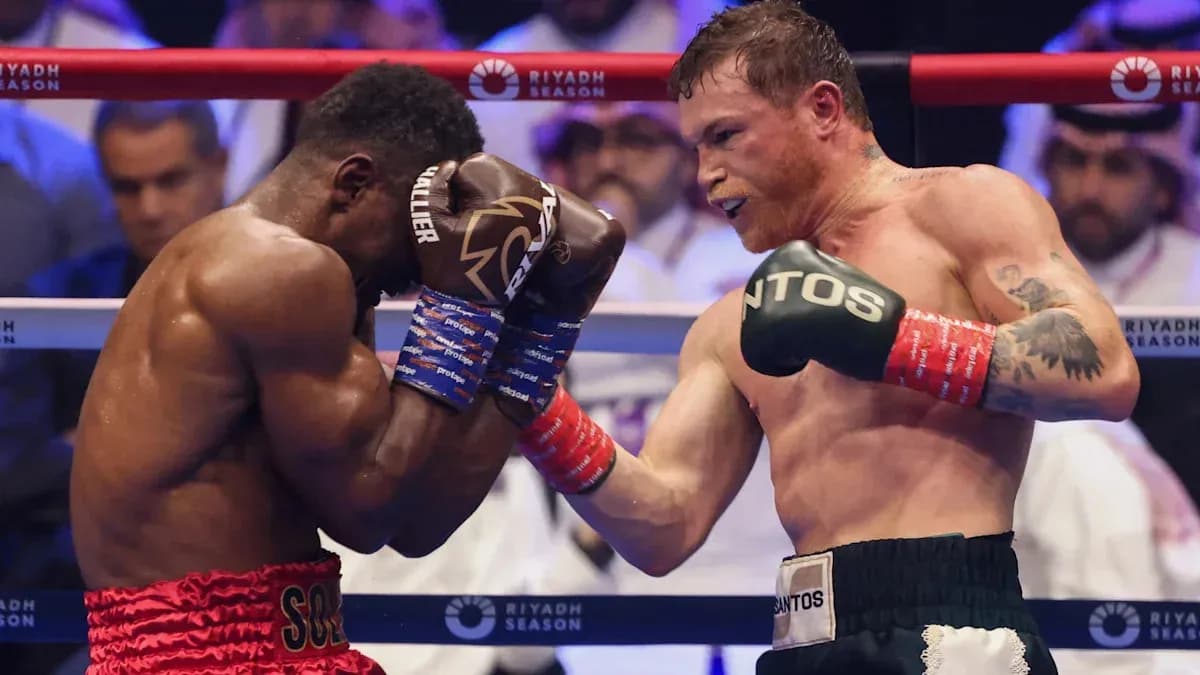
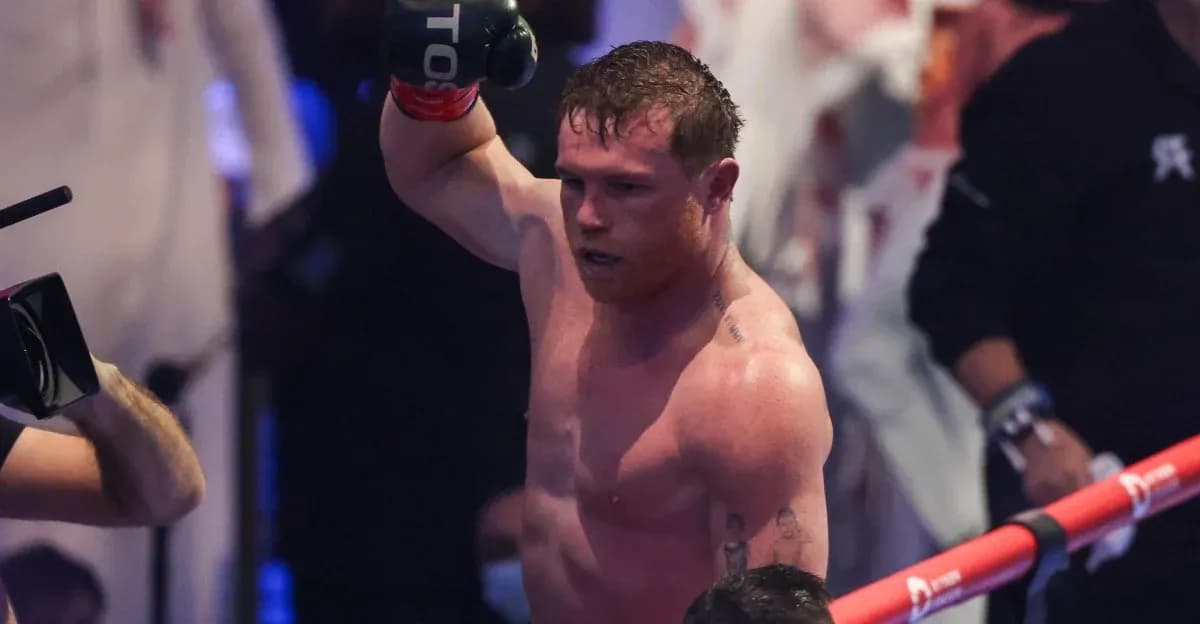
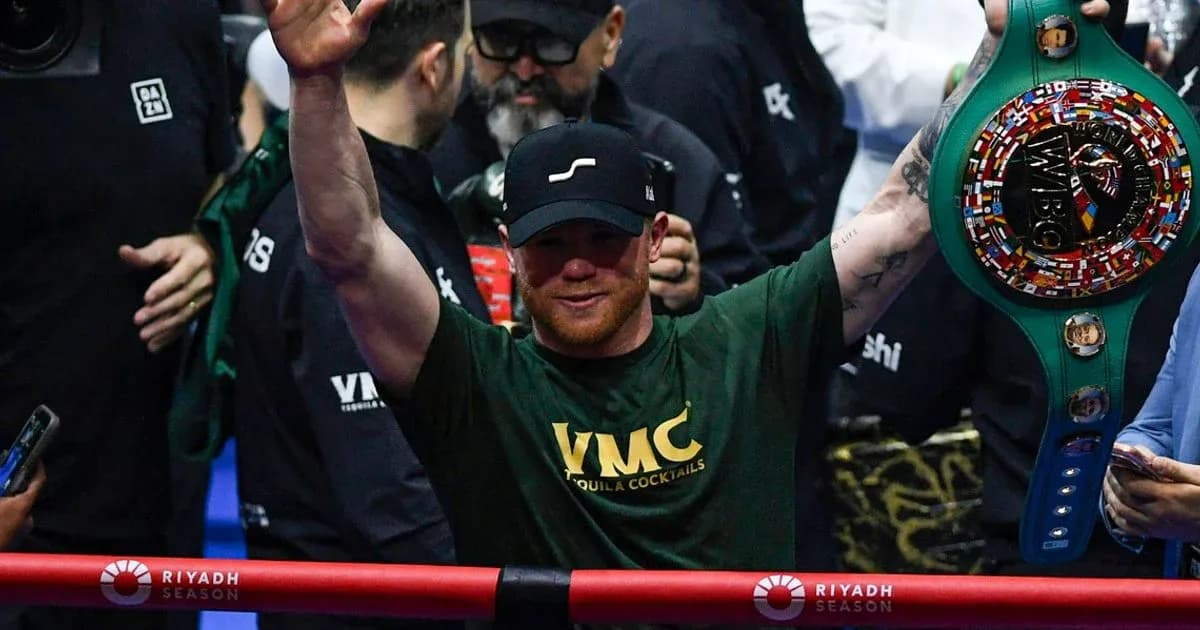
On Oct 31, inside those tight 25 square metres, the 36-year-old Mexican reclaimed a world title with a unanimous decision over Christian Mbilli, a victory built on familiar foundations – cold-eyed patience, savage precision to the body and an instinctive feel for timing that refuses to age.
The scorecards told the story of control rather than chaos: 115-112, 116-111 and 117-110, all for Alvarez.
“It’s something unbelievable. It feels like my first title,” Canelo said afterwards, the emotion cutting through the routine of yet another championship night. “Now, after 21 years as a professional, 16 years ago I won my first title. Now I won that title again. I’m so proud of my team. I love boxing. That’s why I'm here, because I still love boxing and I enjoy it a lot.”
A fight under a shadow
The bout went ahead against a stark backdrop. In the week leading up to fight night, a Saudi-led coalition announced it had intercepted missiles and drones launched by Iran-aligned Houthi forces toward Riyadh. Security fears swept across the capital. The Six Kings Slam tennis exhibition and other events were cancelled or pushed back.
The boxing stayed.
Inside the arena, Mbilli arrived with the restless energy of a man who had waited his whole career for this moment. The Cameroon-born Frenchman, 31, stepped through the ropes as the newly elevated WBC champion, unbeaten in 29 fights with one draw and bristling with intent.
He tried to crack Alvarez the only way he knows: by walking him down.
Pressure meets precision
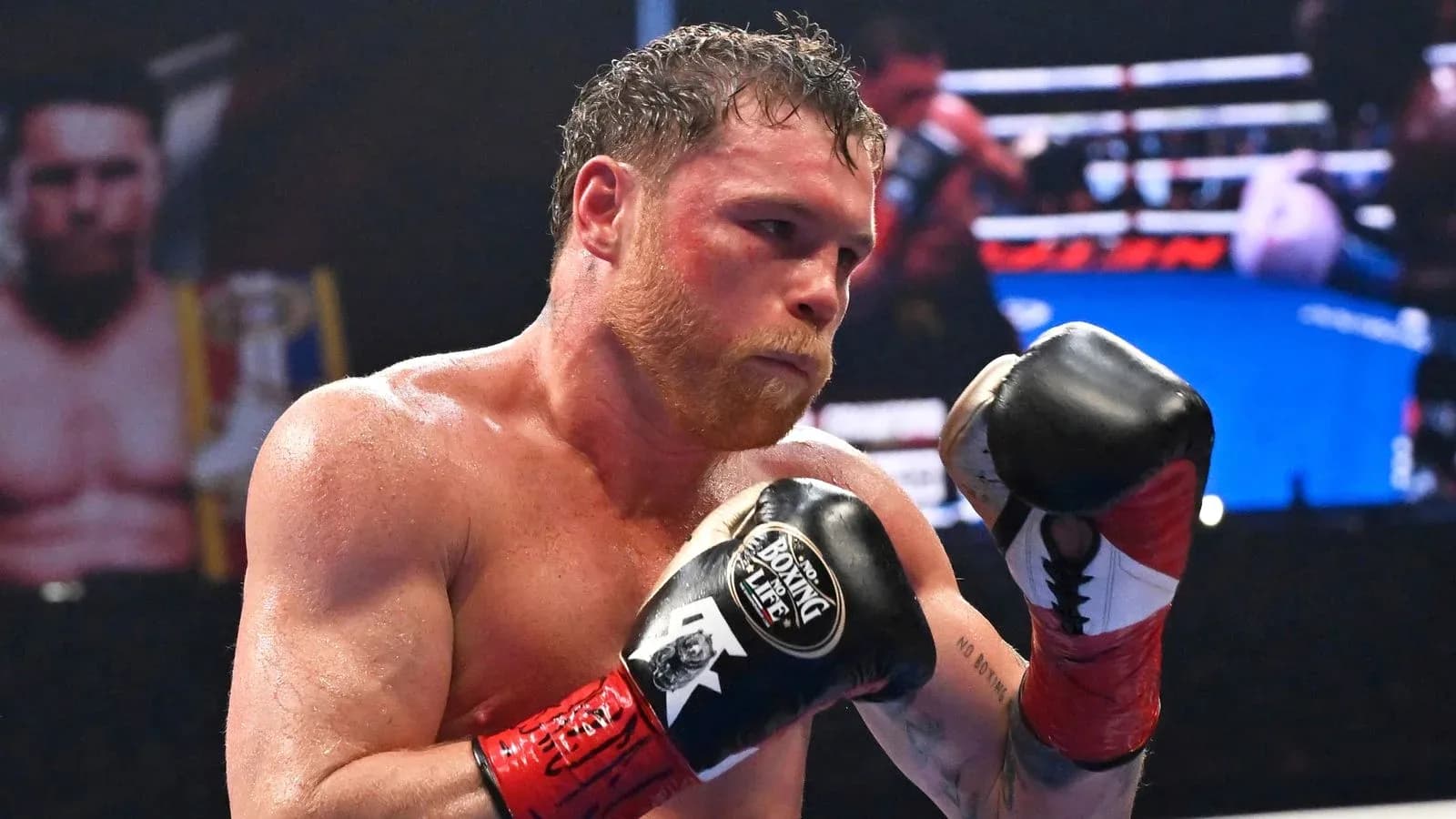
From the opening rounds, Mbilli poured forward, throwing in bunches, trying to smother the older man and drown him under volume. His pressure never really eased. He jabbed, hooked, shoved, circled back in. He wanted chaos.
Alvarez gave him calculation.
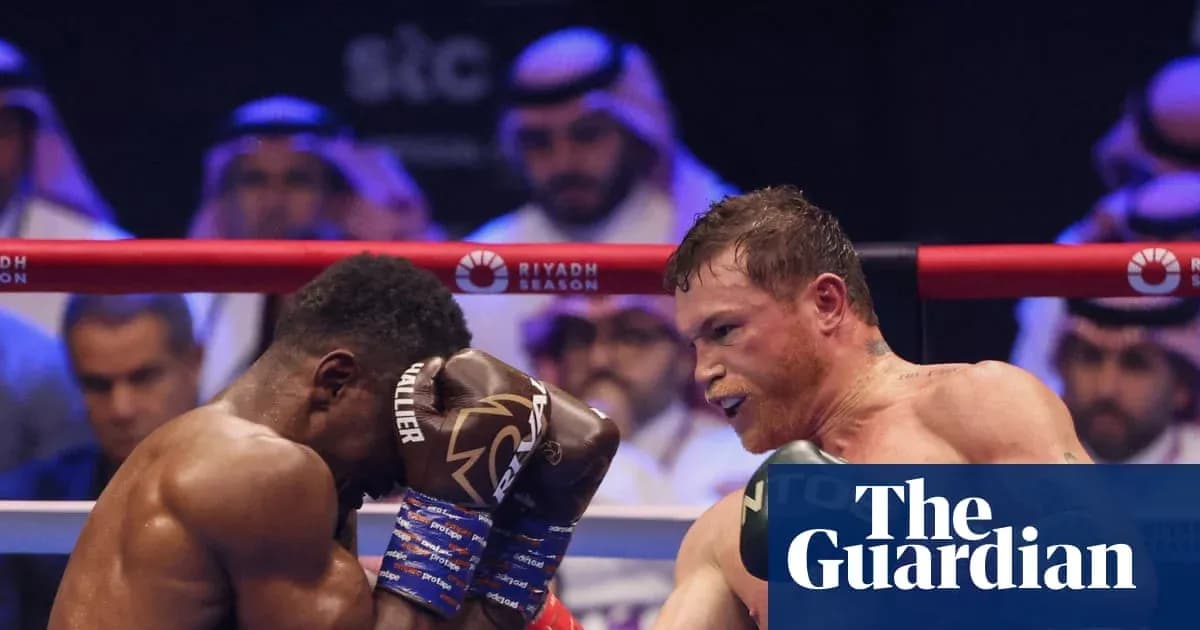
The Mexican dug to the body with the kind of thudding accuracy that has broken many before Mbilli. He picked counters off the high guard, rolled with flurries and answered with single, spiteful shots that scored cleaner and cleaner as the rounds ticked by.
The turning point came in the seventh. Mbilli, still surging, left a gap. Alvarez saw it in a heartbeat and snapped up a sharp uppercut that jolted the champion’s head and made him stagger. For a second, the relentless march stopped. The arena roared. The challenger, in every sense but name, had reminded everyone who owned the finer tools.
Mbilli kept coming. That is his nature. Yet each attack carried a little more doubt, each exchange a little more damage. The pressure that once looked like a storm began to resemble a man running uphill.
Back from the brink
This was not just another title win for Alvarez. It was a response.
In September 2025, he had suffered only the third defeat of his professional career when American Terence Crawford outpointed him by unanimous decision. That loss stripped him of his undisputed super-middleweight crown and ended his reign as the man who held all four major belts at 168 pounds.
Crawford’s subsequent exit from the division opened the door for Mbilli, who moved from interim to full WBC champion. On the undercard of Alvarez-Crawford, the Frenchman had been dragged into a split draw by Lester Martinez, snapping his run of 29 straight victories but still nudging him toward the title.
Riyadh was supposed to be his chance to plant a new flag at the top of the division.
Instead, Alvarez tore it down.
By the final bell, the pattern was set. Mbilli’s work rate had never really faded, but the cleaner, heavier, more accurate punches belonged to Canelo. When the judges’ scores confirmed what most had already seen, the numbers on the Mexican’s record shifted again: 64 wins, three defeats, two draws. For Mbilli, a first professional loss and a harsh introduction to boxing’s highest floor.
The missiles never reached Riyadh. The pressure never quite reached Alvarez either. At 36, after 21 years in the game, he walked out of the ring with another belt, another chapter, and one lingering question for everyone watching:
How many times can a champion come back before we stop talking about comebacks and simply accept that this is who he is?