.svg&w=384&q=75 "logo")
Marnus Labuschagne Faces ODI Exclusion Amid Career Challenges
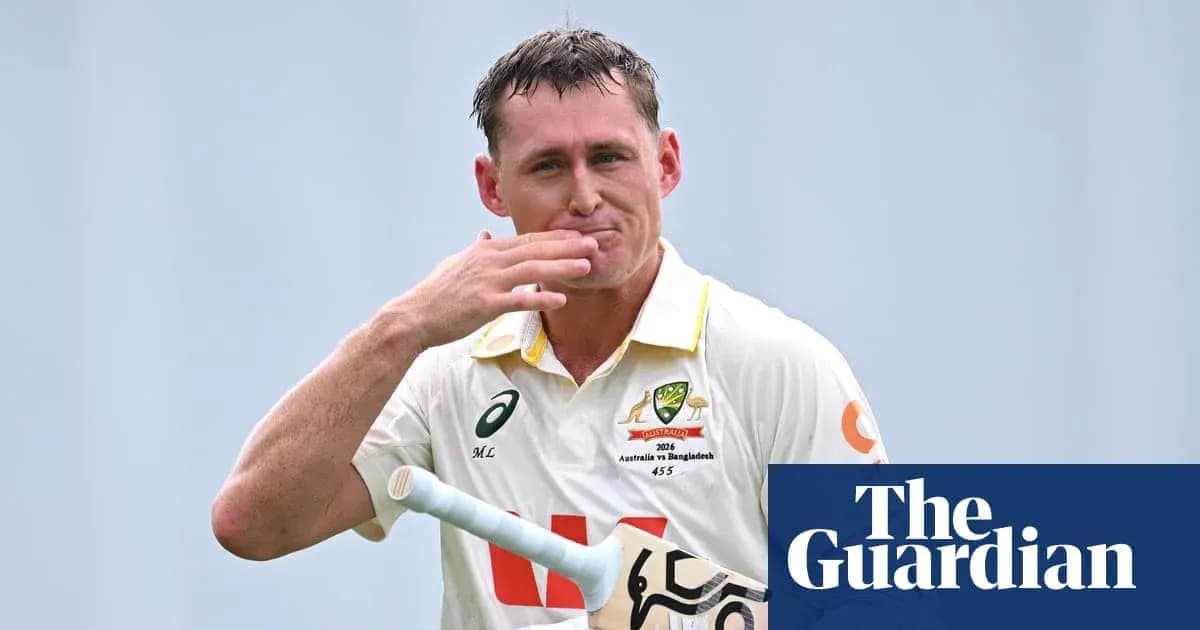
Marnus Labuschagne’s once-scorching international career has hit its harshest reality check yet, with the 32-year-old axed from Australia’s ODI squad and left to fight for relevance in one format while clinging to hope in another.
The selectors’ message was blunt in action, if softer in tone. Labuschagne is out of the white-ball touring party to Zimbabwe and South Africa, a group very clearly assembled with next year’s ODI World Cup in mind. His Test future, George Bailey insists, is a different conversation.
White-ball door shuts – for now
Australia will play six ODIs across Zimbabwe and South Africa later this month, a vital block of games on the same soil that will stage the World Cup late next year. On Tuesday, selectors named 17 players for those matches. Labuschagne was not one of them.
He was among five players cut from the side that faced Bangladesh in Australia’s most recent ODI in June, a stark fall for someone who, not long ago, seemed a lock in every format.
Bailey framed the decision as strategic rather than personal.
“It was a one-day cricket conversation, this is a pretty important tool for us,” the chair of selectors said, pointing directly to the World Cup on the horizon. With limited fixtures before that tournament, Australia want to bed down roles and reward emerging options.
“There’s not a whole lot of games, and the opportunity that’s well-deserved and awarded to some of those other players to continue building out their roles and their performances in those games would be really important.
“And Marn, again, he’s played some really important one-day cricket for us at his best. That looks a certain way. But the way that squad and team is structuring up, there just wasn’t space for him.”
No sugar-coating. No middle ground. Others have jumped the queue.
From world No 1 to the chasing pack
The timing of the snub is impossible to separate from Labuschagne’s slide in red-ball form.
In 2023, the ICC ranked him the best Test batter in the world. He was the fulcrum of Australia’s top order, a run machine who looked built for the long haul. Since then, the numbers have turned on him. He has averaged under 30 in Tests in the period since, and in the latest rankings he has slipped all the way to equal 38th.
The recent evidence has been grim. Labuschagne averaged 25 in last summer’s Ashes, then followed that with scores of 1, 31 and 4 in the Tests against Bangladesh. For a player whose game is built on relentless accumulation, that tail-off has been impossible to ignore.
Even so, Bailey drew a clear line between formats. Dropped from the ODI side? Yes. Dropped from the Test conversation? Not yet.
Test future in limbo
The calendar offers Labuschagne little help. Australia’s next major assignment is the three-Test series against South Africa in October, a tour that will test both technique and temperament. The Test squad for that series will be named in the coming weeks.
Labuschagne, though, will not have the chance to press his claims in the Sheffield Shield. He will not play for Queensland before the selectors lock in their touring party later this month.
Bailey admitted the panel is still working through the final make-up of that group ahead of the first Test on 9 October.
“It’s just about not having to make a decision until you need to make a decision,” he said, underlining the desire to gather as much information as possible on conditions, wickets and player fitness before committing.
They are weighing what sort of pitches to expect in South Africa, which roles they need covered, and how many players to carry. In that mix sits Labuschagne, a known quantity whose recent form now competes with his long-term body of work.
A year ago he would have been inked in. Now, he is part of a debate.
Youth steps into the spotlight
While Labuschagne wrestles with uncertainty, the ODI squad carries a very different energy for two young batters on the rise.
Oliver Peake, the 19-year-old Victorian left-hander who earlier this year became the youngest specialist batter to debut for Australia’s ODI team, has kept his spot and his momentum. Bailey spoke glowingly of him, and of Joel Davies, the 22-year-old NSW allrounder who debuted in T20s against Bangladesh in June.
“For Ollie and Joel, who we rate very highly, it’s another fantastic opportunity and a further chance for them to continue their exposure and growth in the Australian team,” Bailey said.
Their inclusion underlines the direction of travel. Australia are not just tuning up for a World Cup; they are refreshing the middle order and investing in the next wave. Every game in Zimbabwe and South Africa is both an audition and a rehearsal.
For Labuschagne, that stage is suddenly off-limits. His path back into the ODI side now depends on others stumbling or his Test form roaring back so loudly that selectors cannot ignore him in any format.
The player who once looked immovable now stands at a crossroads. The next call on his Test future will say plenty about how much faith remains—and how quickly Australian cricket is prepared to move on.